
How to compare belt bags for your campaign
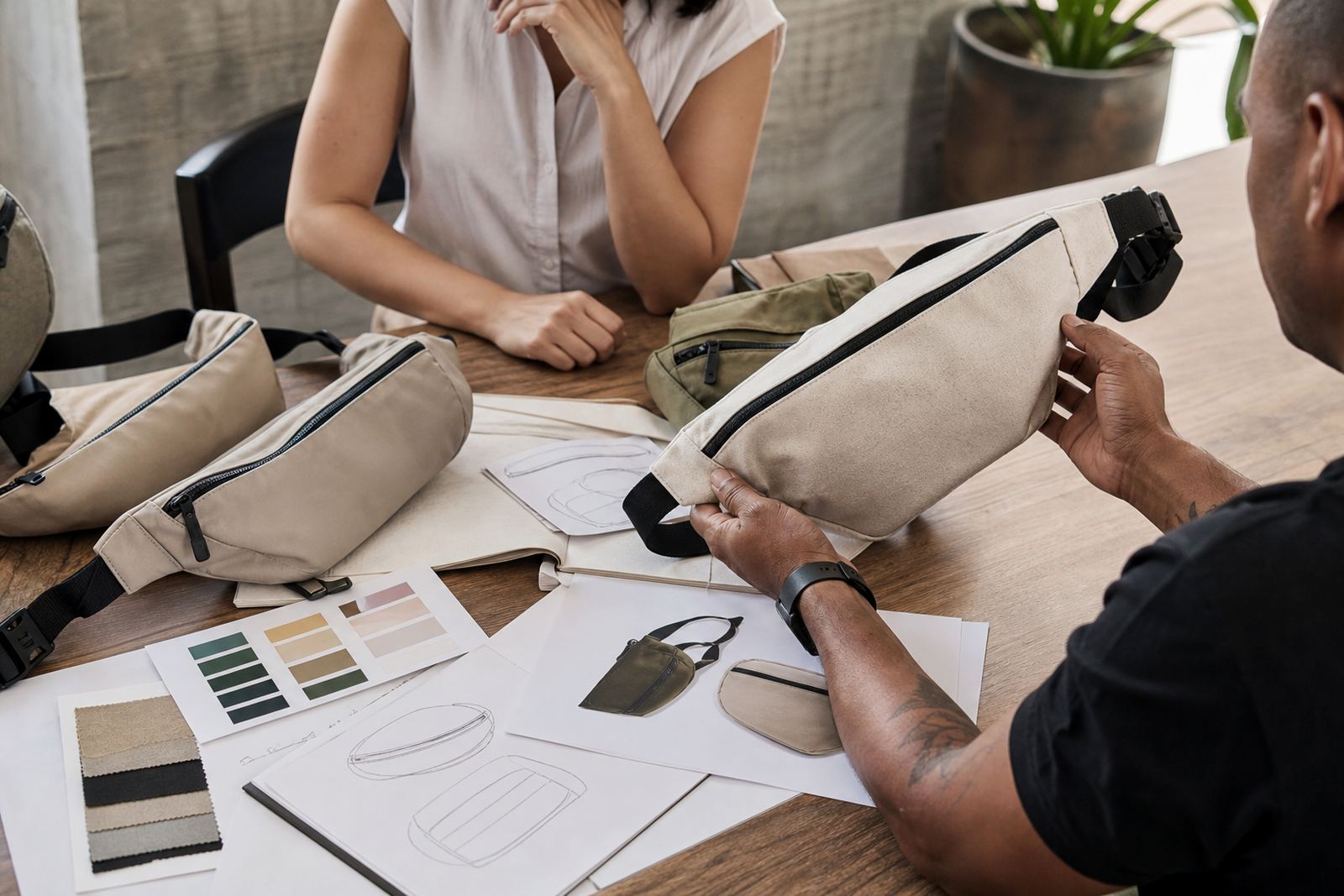
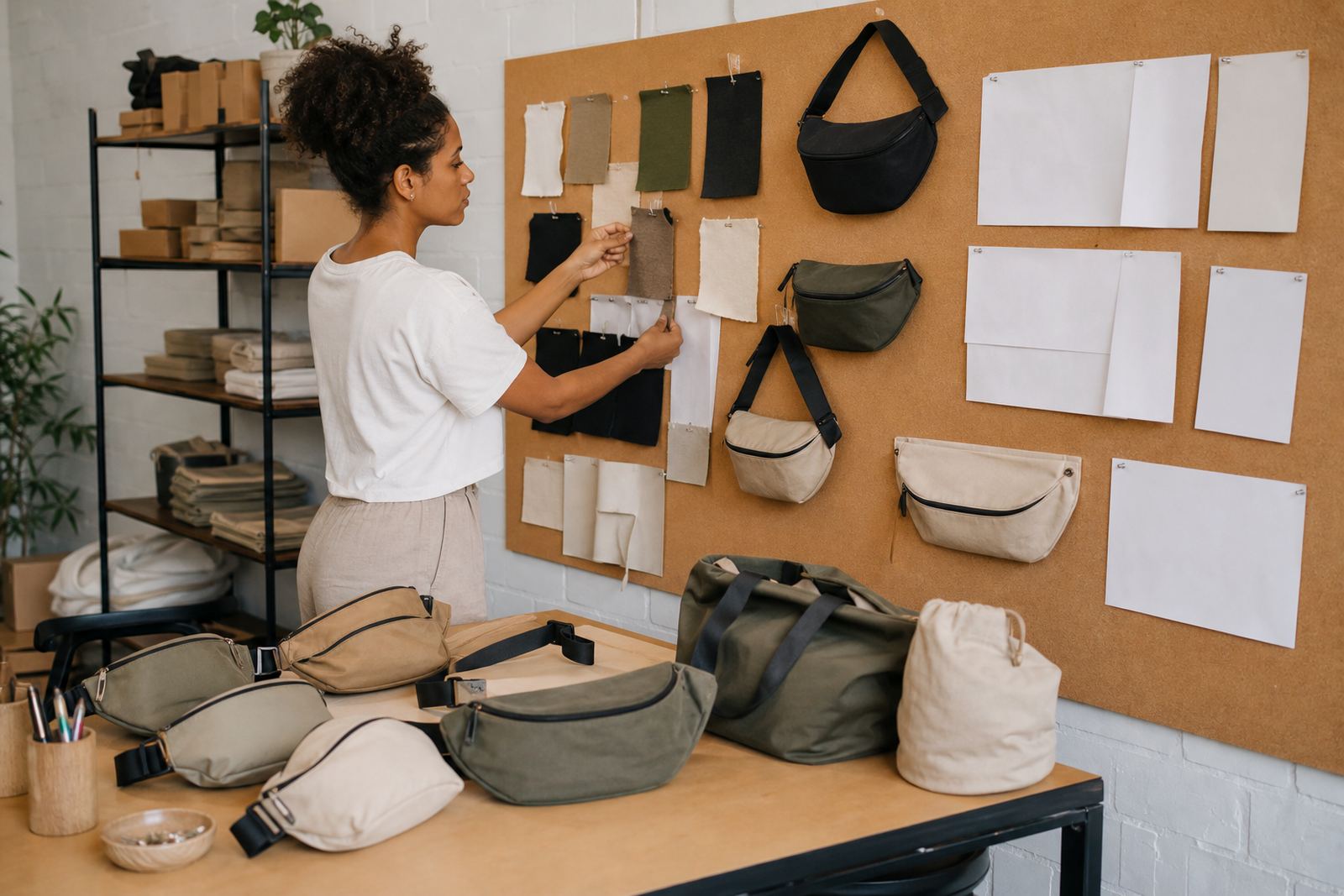
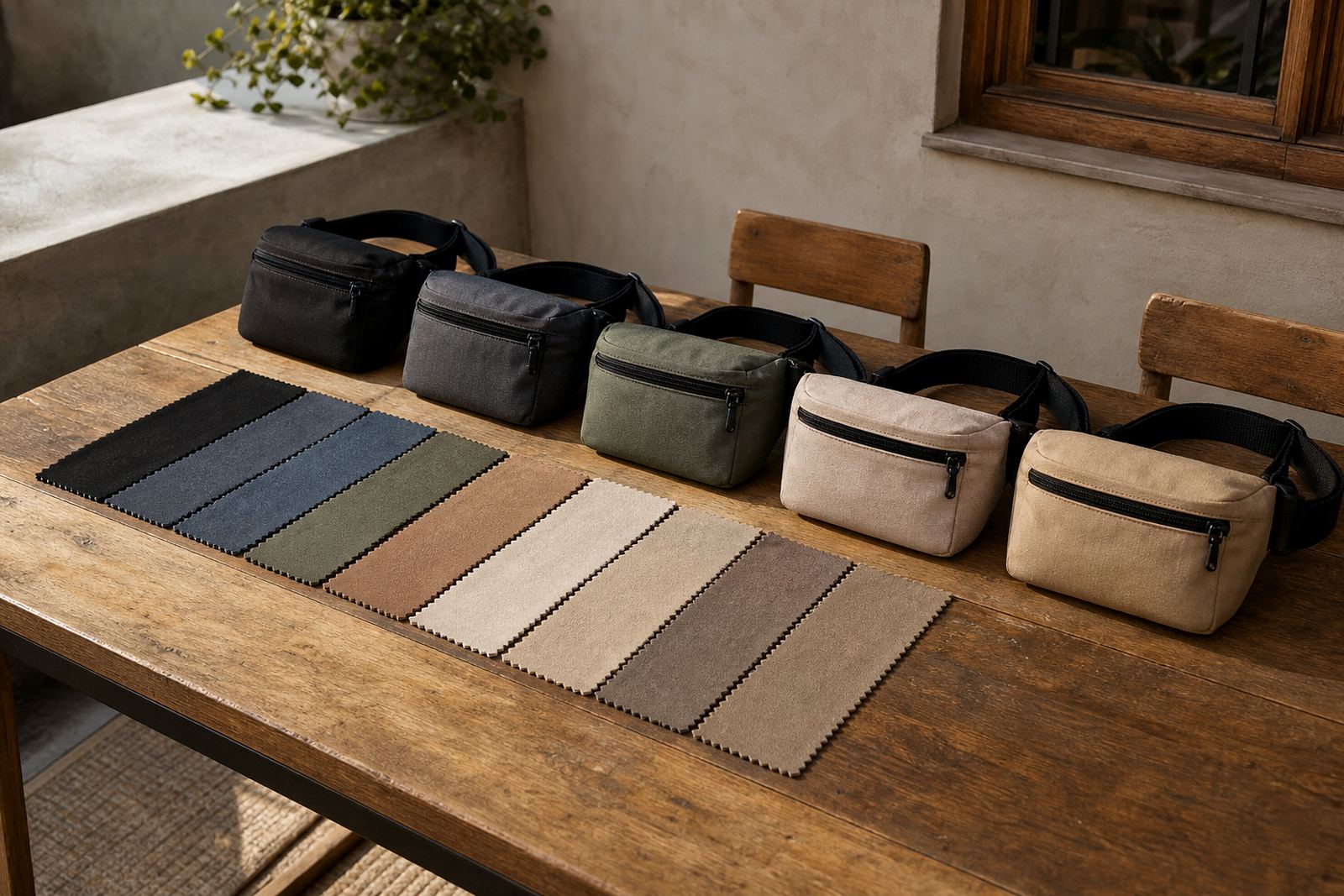
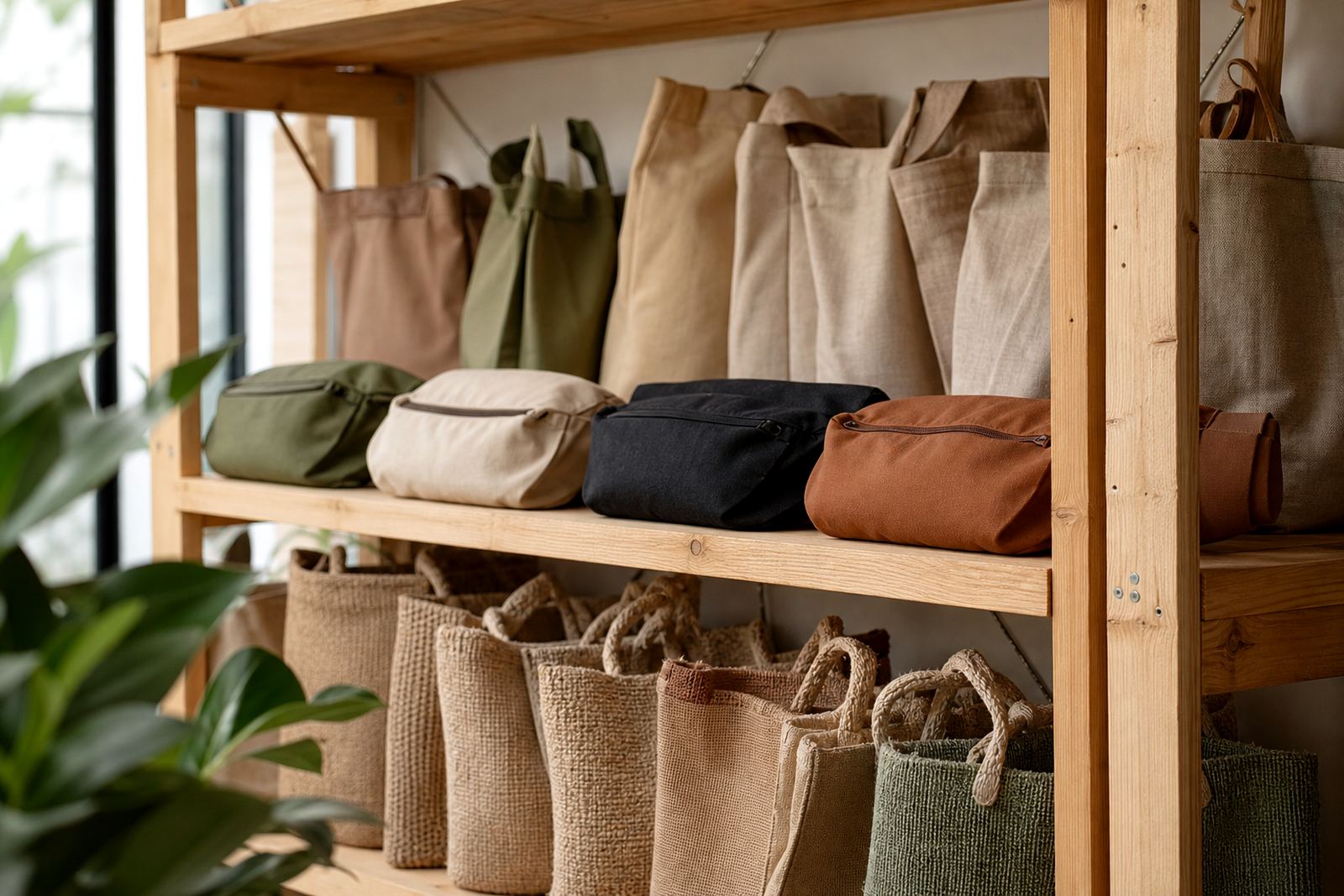
Start with the use case, not the logo. A staff giveaway for a Cape Town conference needs a different finish from a client pack for a Johannesburg roadshow. Check the bag size, zip quality, strap adjustment and lining, then match the material to the setting. For coastal use, ask about fabrics that cope better with humidity and frequent handling.
Also think about who will carry it. A sales team on the move may need a compact bag with a secure pocket for cards and keys, while event guests often prefer something light and easy to wear over a coat or dress. If your order is going to several cities, plan for split delivery early so the right quantities land where they are needed.
Artwork setup that prints cleanly
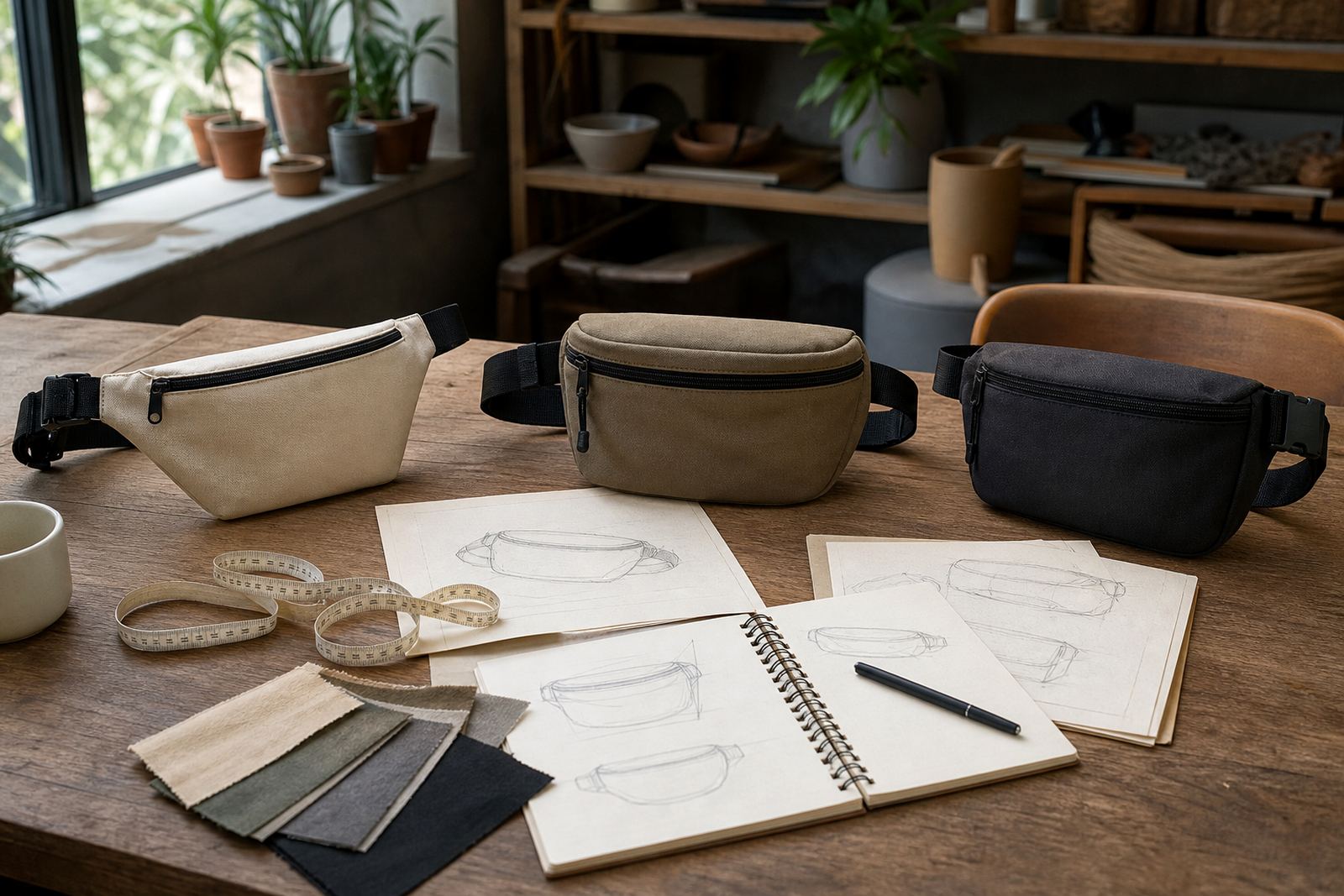
Good artwork saves time and keeps the branding clear. Send your logo in a sharp format and keep text simple, especially on smaller belt bags where detail can disappear. If you are using more than one colour, confirm whether the print method can hold the fine lines you want, or whether a simplified version will read better.
- Keep logos away from seams, zips and folds
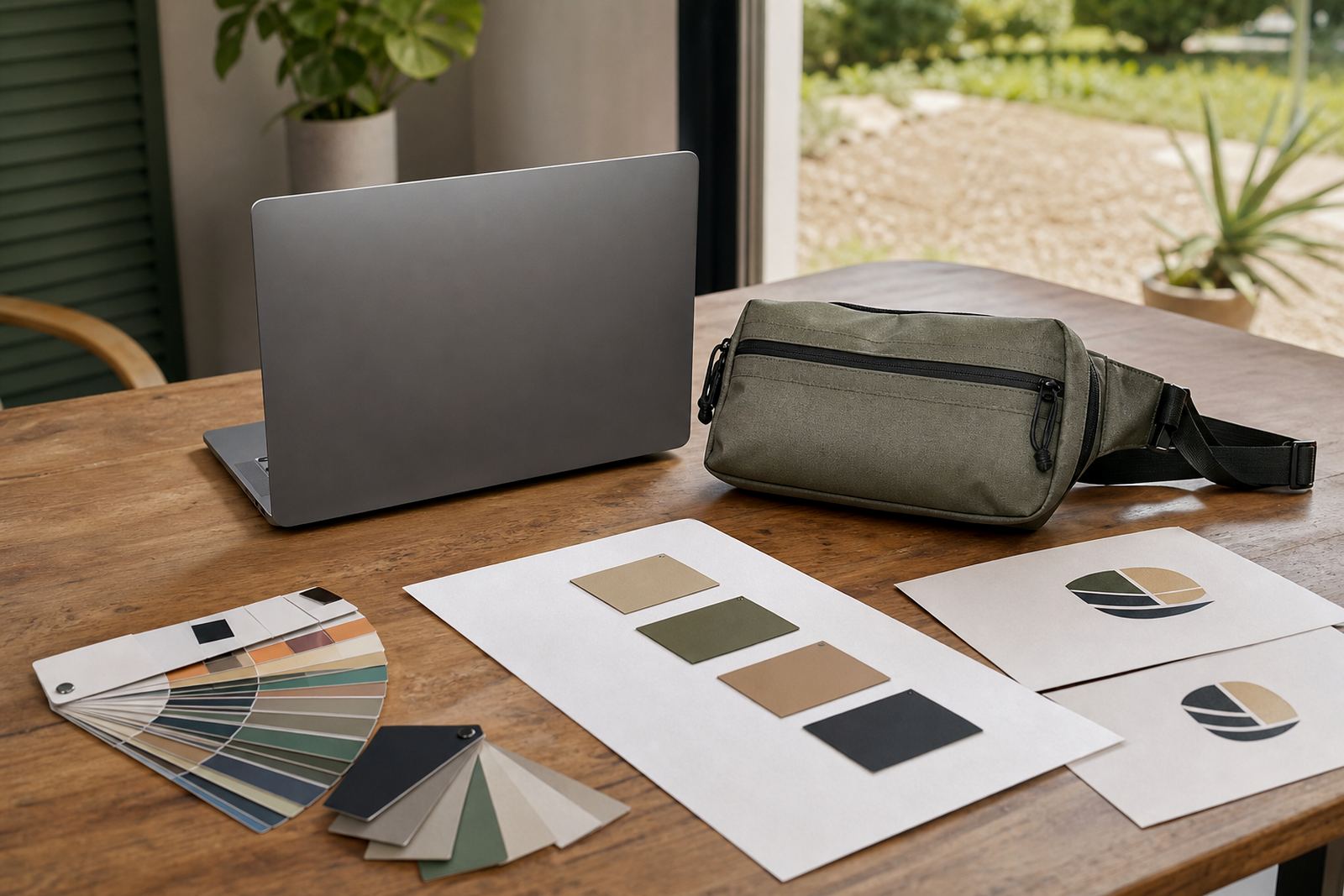
- Use the correct colour references for your brand
- Leave enough clear space around the mark
- Check spelling, dates and event names before approval
- Allow extra time for artwork setup if the file needs cleanup
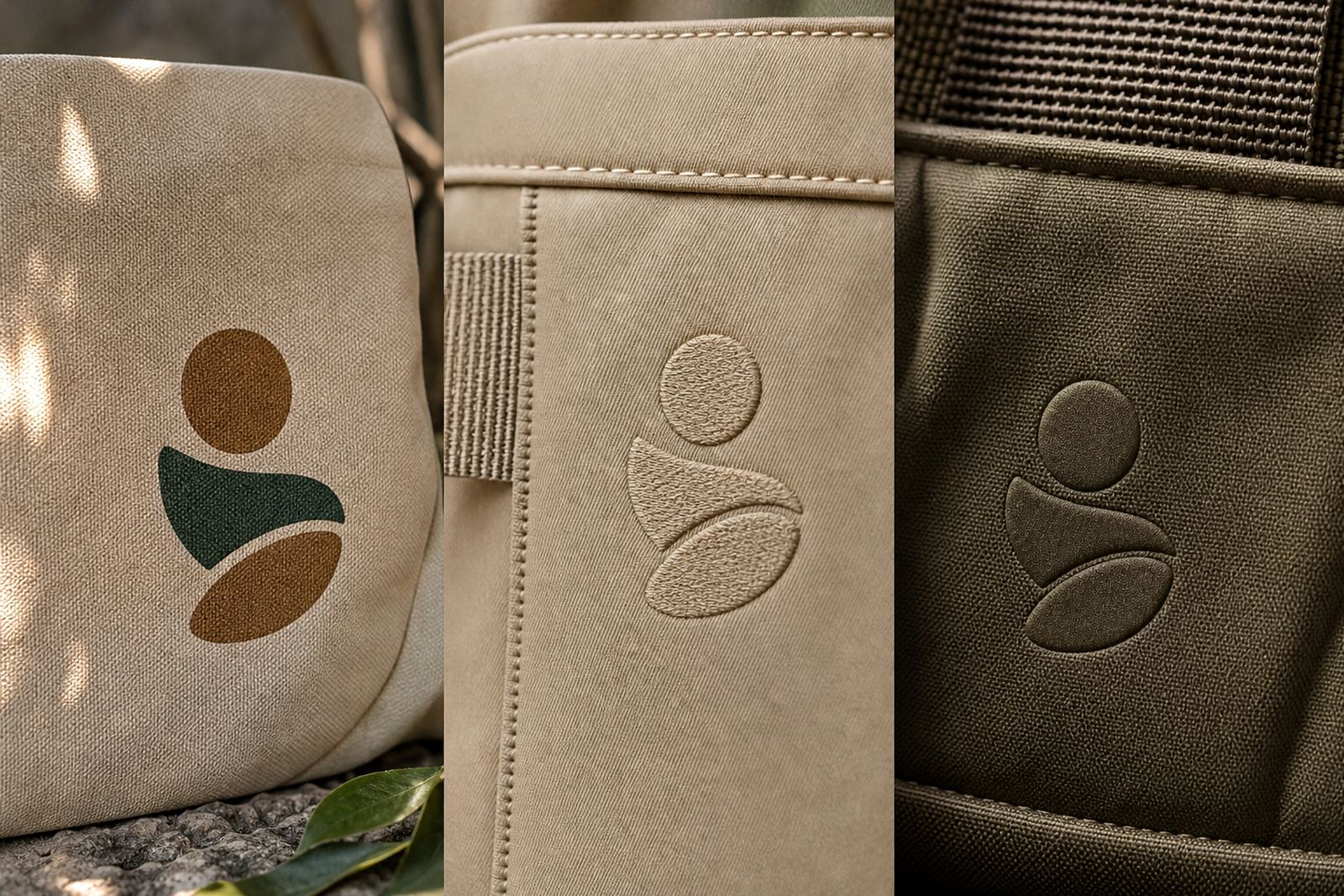
For embroidery or debossing, the artwork often needs a different treatment from screen printing or heat transfer. Thicker lettering usually holds up better over time, especially on bags that will be used in traffic, at expos, or in dusty venue storage rooms.
Choosing the right branding method
The right method depends on the fabric, the budget and how many colours your design needs. Screen printing suits clear logos and larger runs. Heat transfer is useful for detailed artwork or smaller quantities. Embroidery gives a more textured finish, while debossing can work well on selected materials where a subtle look is preferred.
Before you decide, ask how the branding will wear with repeated use. A bag used daily by a field team in Durban will face different conditions from one handed out at a one-day event in Pretoria. Colour choice matters too, especially if your brand needs high contrast for visibility in low light or busy venues.
Planning quantities, kitting and delivery
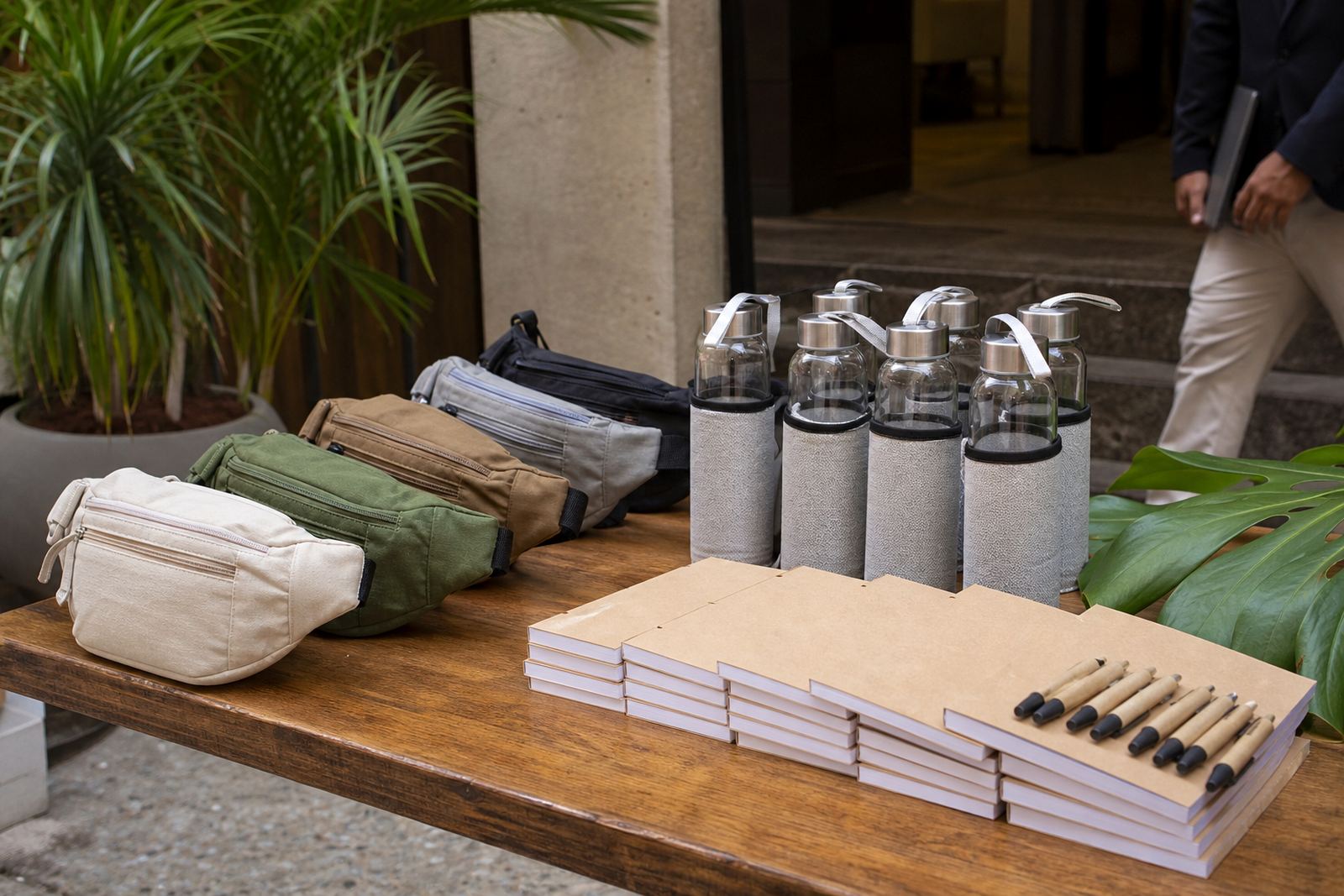
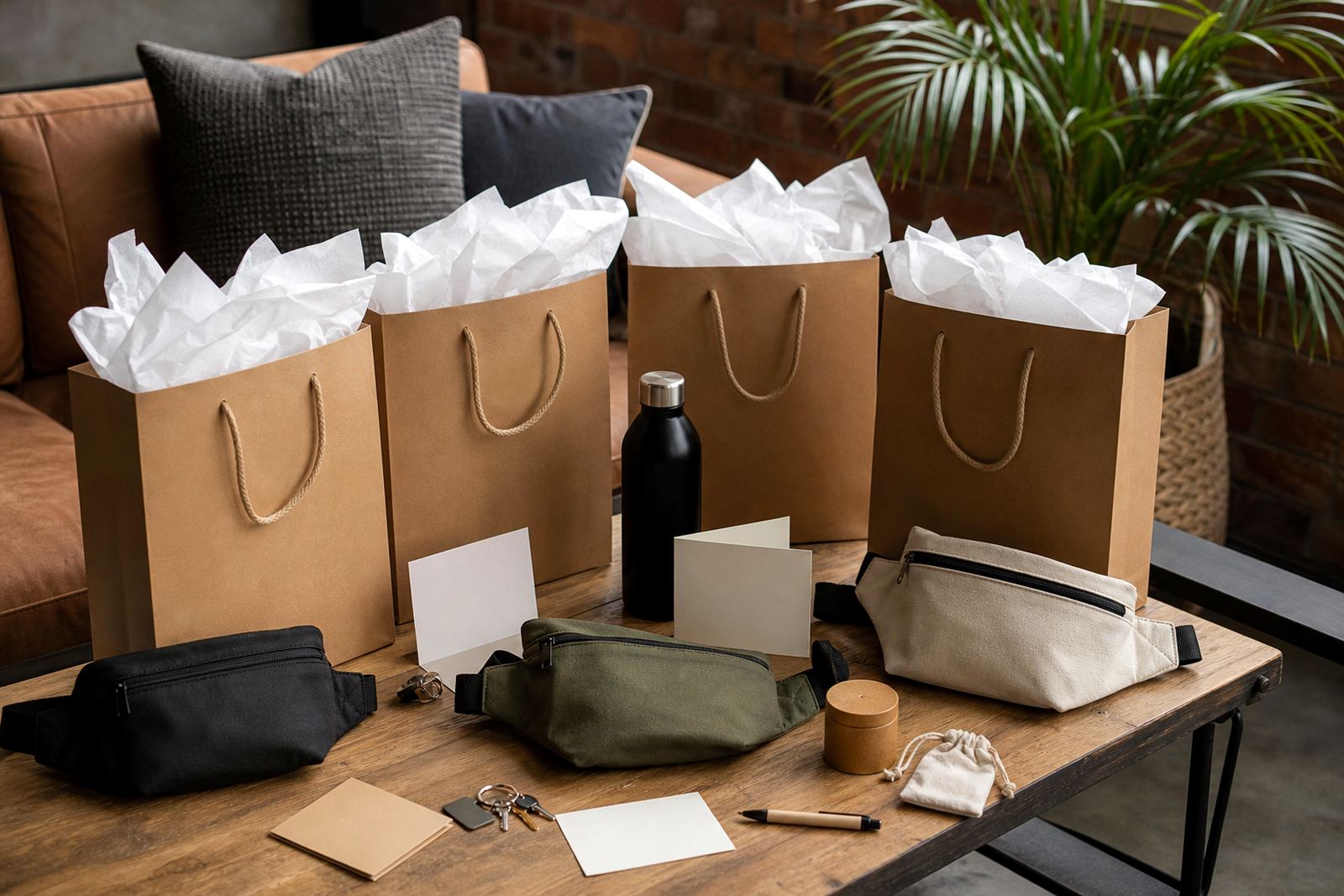
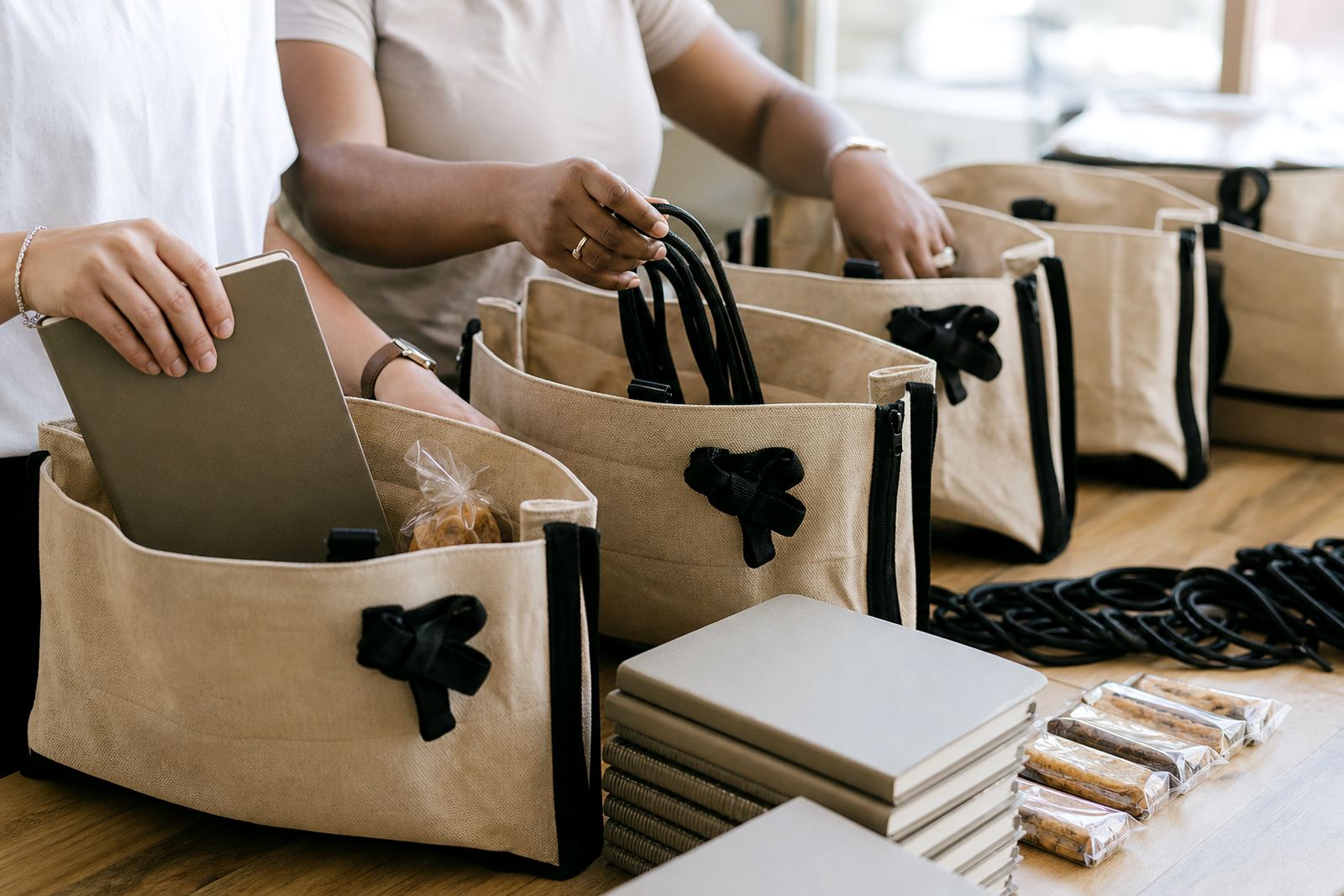
Ordering branded bags is easier when you work backwards from the event date. Confirm the final guest count, staff list or client pack quantity, then add a small buffer for late registrations and damaged transit boxes. If you need the bags packed with flyers, notebooks or other items, decide on the kit layout before production starts.
- Set your event date first and work back from it
- Allow for approvals, production and dispatch time
- Confirm whether items must be packed individually or in bulk
- Split stock by branch if the order goes to multiple provinces
- Check building rules for courier access, loading bays and reception handover
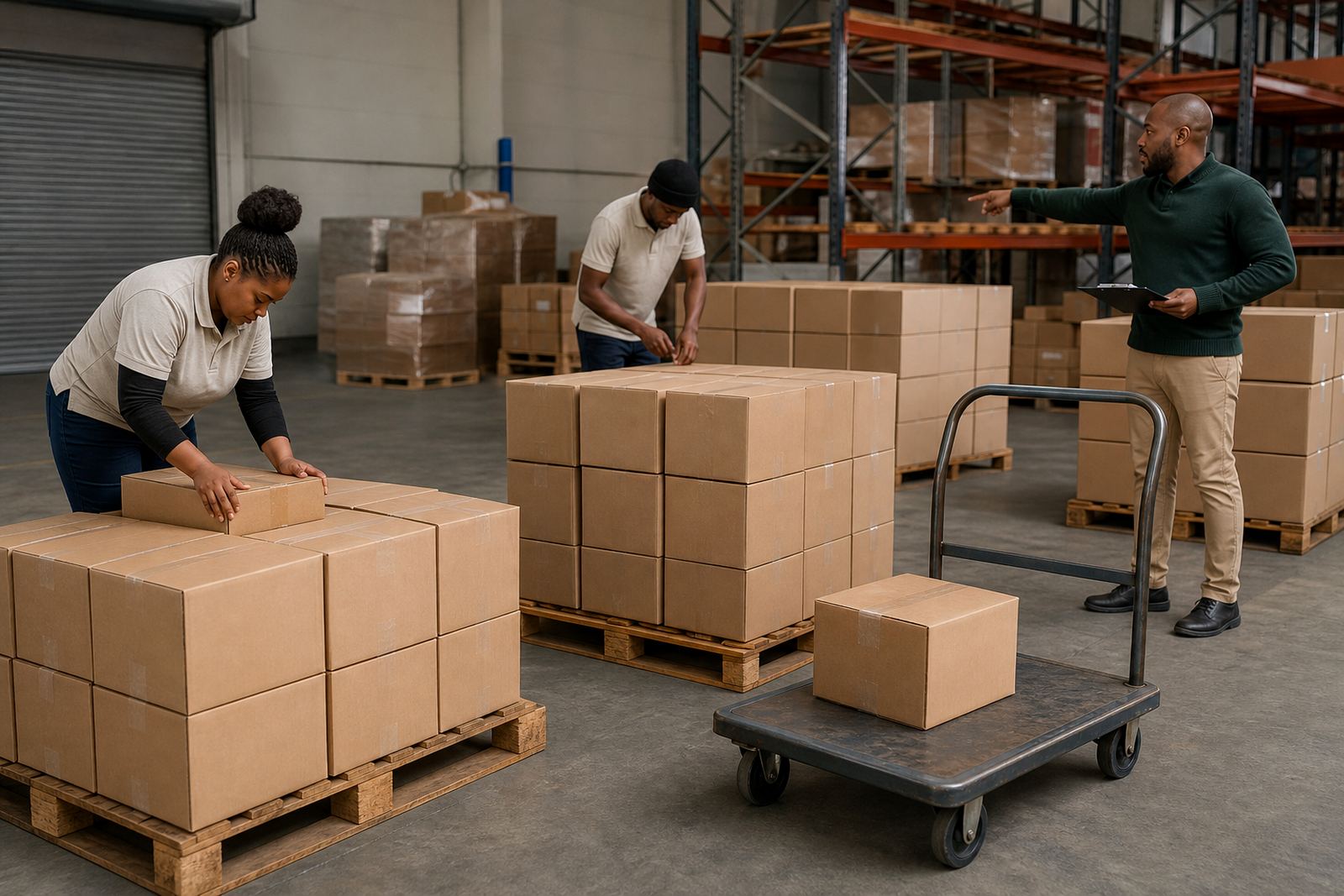
For national rollouts, split delivery can keep things organised across Cape Town, Johannesburg, Pretoria, Durban and Gqeberha. It also helps when different branches need different quantities or when storage space is limited at the venue.
What procurement teams should check before approval
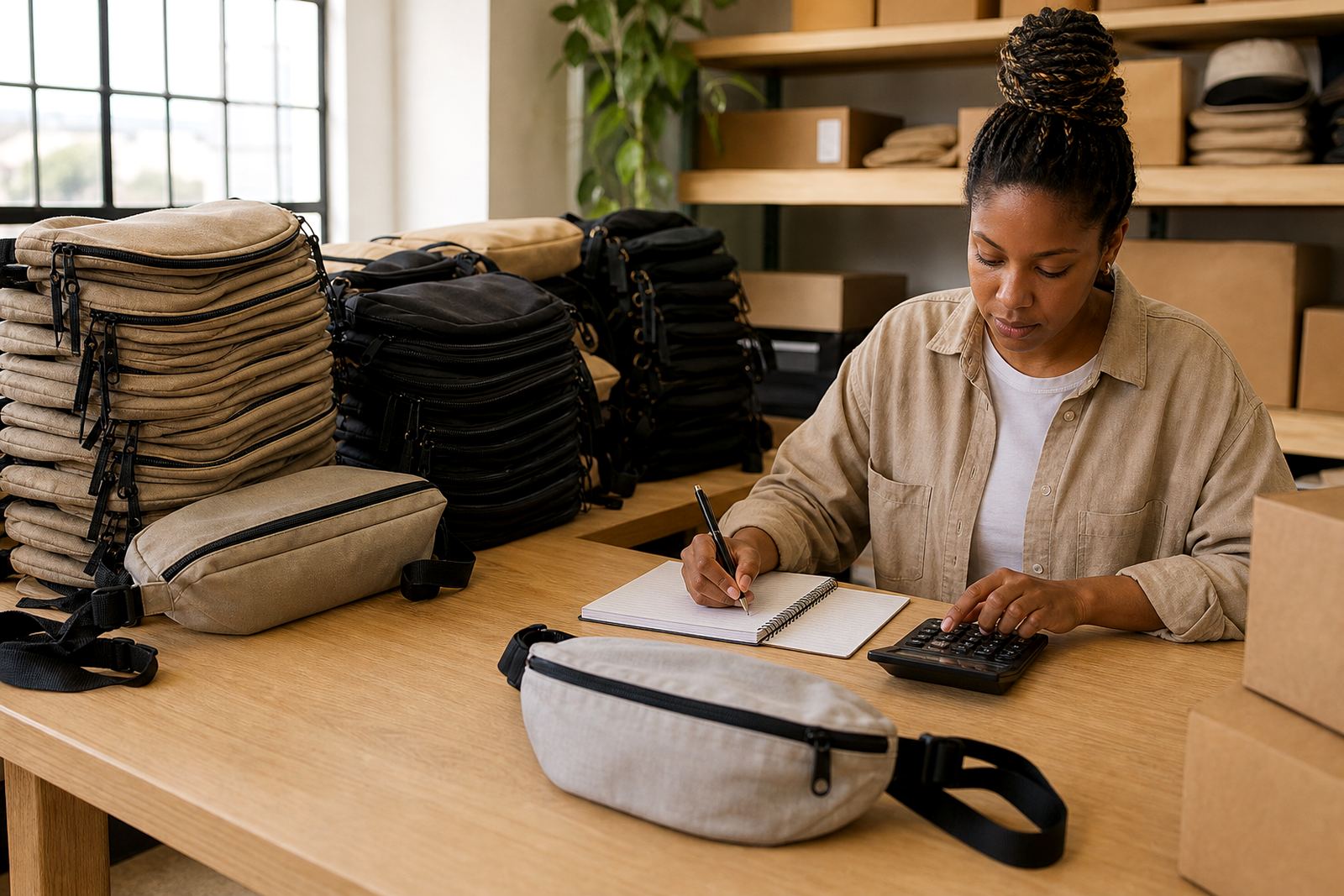
Procurement teams usually need clear specs, a price per unit and a realistic delivery timeline. It helps to confirm the product size, branding position, packing format and any quality checks before the order is signed off. If you are comparing options, ask for product sampling where possible so the team can handle the item before placing a larger run.
Keep a record of what was approved. That includes artwork version, colour references, quantity split and any special packing instructions. It saves time later, especially when the same item is reordered for another event or a different department. Small changes can affect cost and lead time, so its worth locking things down early.
When rush orders make sense
Rush orders are best used when an event date has moved, a sponsor has added stock late, or a branch has missed the original deadline. They can work, but only if the artwork is ready and the product is in stock. In some cases a simpler branding option will be the quickest route to getting the bags out on time.
To avoid pressure, share your deadline as soon as you know it and be clear about the quantity, destination and packaging need. That gives the production and dispatch team a fair chance to confirm what is possible and where the fastest turnaround can be made without cutting corners.