Start with the event job the tote must do
A tote bag can work as a carrier, a giveaway, a welcome pack bag or a branded item people keep using after the event. Before you choose a style, decide what must fit inside, how far the bag will travel, and whether it will be carried by hand, over the shoulder or packed into a larger event kit. A 5 litre bag suits a light brochure pack, while a 10 to 15 litre tote is better when you add notebooks, water bottles and samples.
For Cape Town conferences, Johannesburg roadshows and Durban beachfront activations, the use case changes with the weather and the travel. A bag for a corporate function in a hotel foyer needs to look neat and hold its shape. A bag for outdoor field work or a busy expo stand must handle repeated use, a bit of dust, and sometimes damp conditions. Start with the job, then match the material and handle.
- Small item packs: brochure, pen, flyer and voucher
- Medium event packs: notebook, bottle, sample and programme
- Daily carry: lunch, charger, file and personal items
Compare the main tote materials before you print
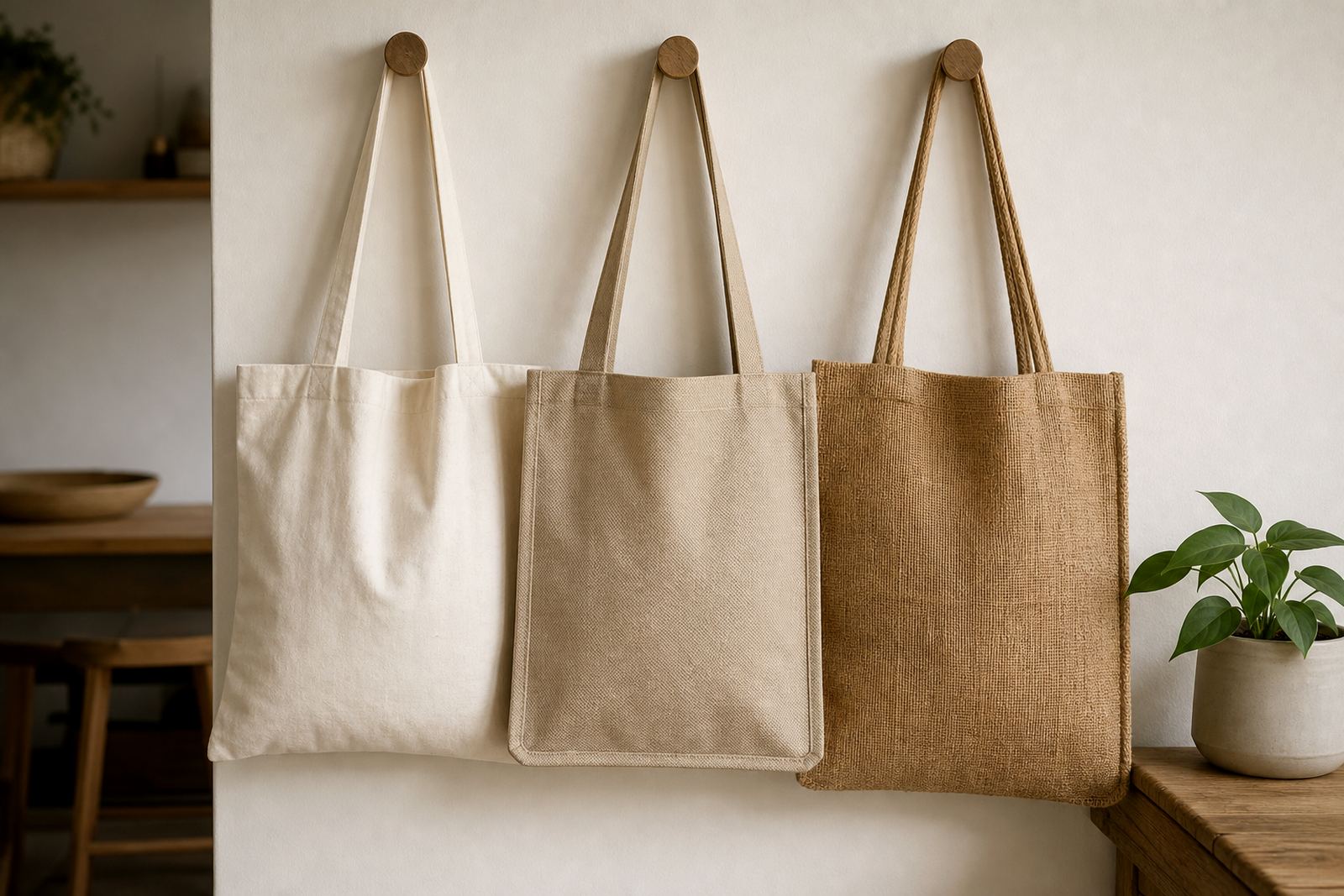
Polyester and non woven totes are common for large events because they are light, cost effective and easy to pack in bulk. Cotton totes feel more premium and work well for client gifts, wellness events and training packs. Jute gives a natural look and a firmer body, which suits environmentally minded campaigns and higher end handouts. Canvas is heavier again, with a strong feel that holds up well for repeated use.
In practical terms, non woven bags are useful when you need a simple branded bag for 200 or 2 000 people. Cotton is a better choice when the bag must be used many times after the event. Jute can fray a little at the edges, so neat finishing matters. Canvas is usually the strongest option, though it can cost more and may need a larger branding area to make the print stand out clearly.
- Non woven: light, affordable, good for high volume events
- Cotton: softer feel, better for retail style gifting
- Jute: natural texture, good for eco minded branding
- Canvas: heavier, durable and suited to repeat use
Handle length and width change how the bag carries
Handle choice affects comfort more than many teams expect. Short handles sit in the hand and suit quick handouts. Longer handles let the bag sit on the shoulder, which is useful when guests walk through a venue or use public transport after the event. Wider handles spread the weight better and feel nicer when the bag is full, especially with bottles, catalogues or product samples.
Check the stitch points too. If you are packing heavier inserts, ask for reinforced handles and neat top stitching so the bag does not pull unevenly. For split deliveries or event kitting, a stronger handle saves problems at the venue. In coastal areas like Gqeberha or Durban, well finished stitching also helps the bag last longer when there is humidity in storage and transport.
- Short handle: compact, hand held use
- Long handle: shoulder carry, better for walking events
- Wide handle: more comfortable with heavier loads
- Reinforced stitching: better for bulk packs and repeat use
Choose the print method that suits the material
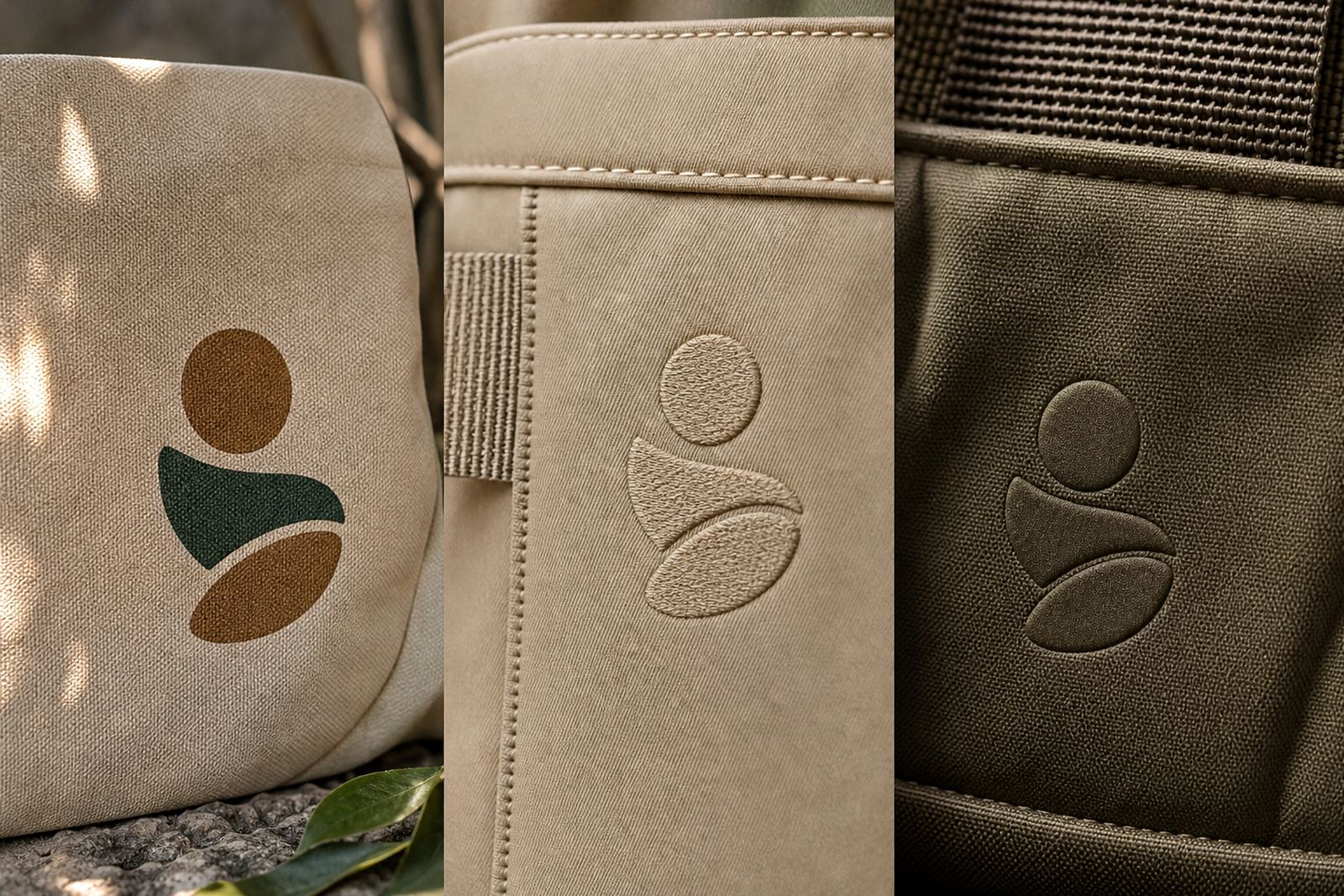
The material should guide the branding method. Screen printing works well for solid logos and larger simple artwork on flat areas. Heat transfer is useful when a design has several colours or needs a sharper finish on smaller runs. Embroidery gives a premium look on thicker cotton or canvas, while debossing suits certain structured materials where a pressed finish looks clean and understated.
Artwork setup matters as much as the print process. Keep fine detail to a minimum on small bags, because tiny text can get lost once the bag is folded or packed. If the logo will sit near a seam or gusset, allow for a bit of movement in the artwork. It is also worth checking colour contrast so the branding can be seen quickly from a distance in busy venues like Sandton, Centurion or a conference floor in Cape Town. A clear logo usually works better than a busy layout.
- Screen printing: simple logos, strong colour blocks
- Heat transfer: detail, multi colour artwork, small runs
- Embroidery: premium finish on thicker materials
- Debossing: subtle branding on structured surfaces
Plan the bag around the event contents
A tote should fit the contents without bulging or sagging. If the bag is too small, the handles take strain and the presentation looks messy. If it is too large, the pack feels loose and the inserts slide around. Measure the tallest item first, then allow space for a bottle, brochure and any promotional extras. A flat gusset is handy when you want the bag to stand upright on a registration table.
For conferences and training sessions, a tote often carries a notebook, pen, branded item and an A4 document pack. For product launches, the bag may need to carry samples and a card insert. For client gifts, the look matters as much as the size, so neat packing and quality checks are worth it. Our team often prepares event kitting with split delivery when packs need to go to more than one branch or venue.
- Check the tallest item first
- Allow space for a bottle or sample pack
- Match gusset depth to the contents
- Pack test one bag before placing the full order
A simple tote selection checklist for South African events
Use this checklist before you approve your order. It keeps decisions practical and saves time during production. If you are ordering for a Cape Town launch, a Durban expo or a Pretoria training day, the same basics apply: size, material, handle, print method, quantity and delivery timing. For rush orders, keep the artwork simple and the bag spec clear so the production lead can move quickly.
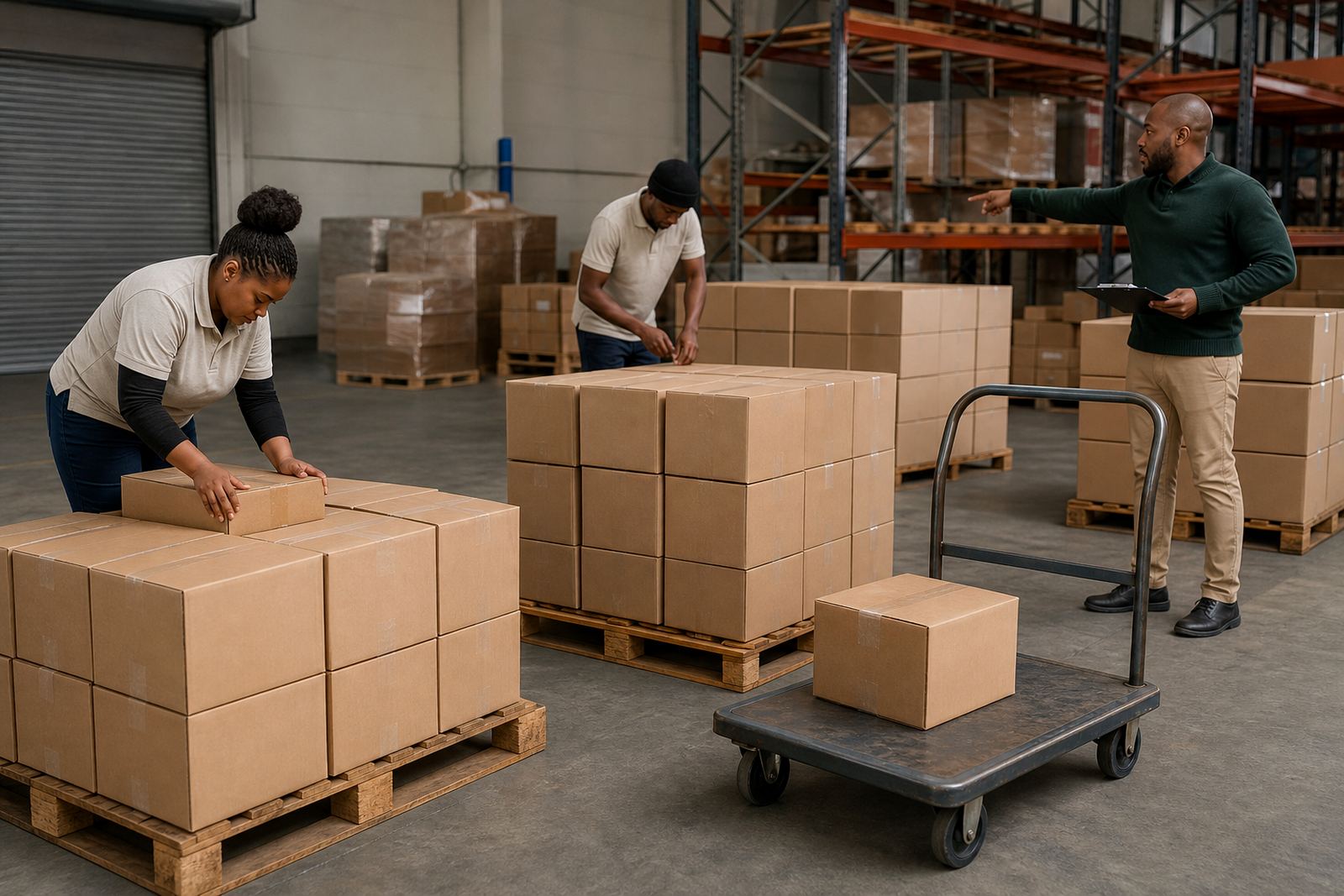
Also think about storage and distribution. Non woven and cotton bags pack neatly in cartons for dispatch to Johannesburg, Bellville, Somerset West or further afield. Jute and canvas may need a little more space because they are bulkier. In hot or humid conditions, good packing helps keep the bags clean and ready for handover. A final quality check before dispatch is worth it, even if the order is small and time is tight.
- What will go inside the bag?
- Will it be carried by hand or on the shoulder?
- Do you want a low cost giveaway or a long life gift?
- Which branding method suits the artwork best?
- How many bags are needed per branch or event?
- Is there time for sampling and final approval?