
Start with the event goal and the guest profile
Before you choose colours or branding, decide what the gift bag must do. Is it a welcome pack for a conference, a thank-you for VIP clients, or a giveaway for a launch? A bag for delegates carrying notebooks and water bottles needs a different size to a small handout bag for a cocktail function in Cape Town or Sandton.
Think about who will receive it and where they will use it. Outdoor events in Durban need packaging that handles humidity, while events in Johannesburg often need faster turnarounds and split deliveries across venues. If the bag will be carried through a full day programme, comfort matters too, especially when it has to hold heavier items.
Choose the right bag size, shape and closure
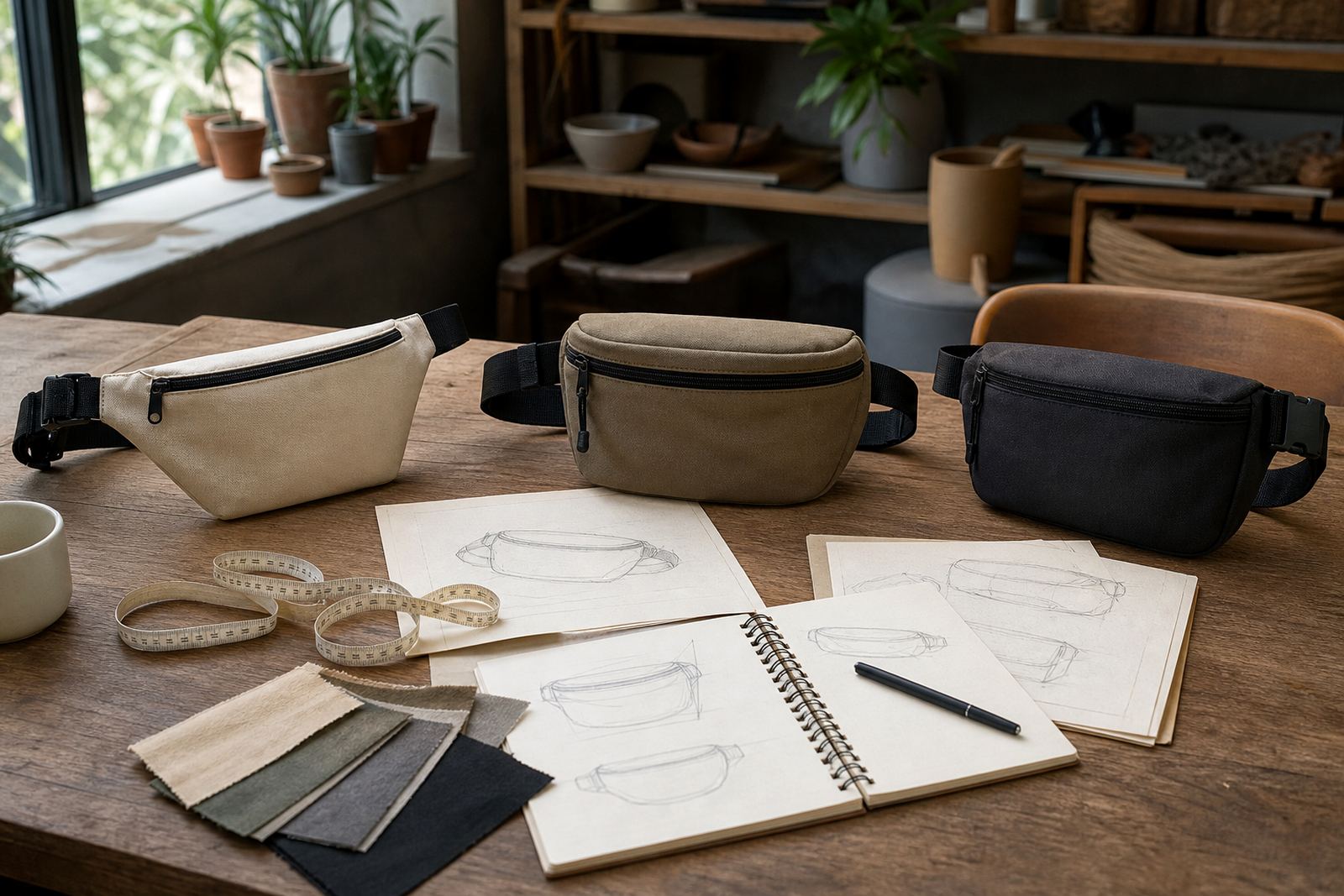
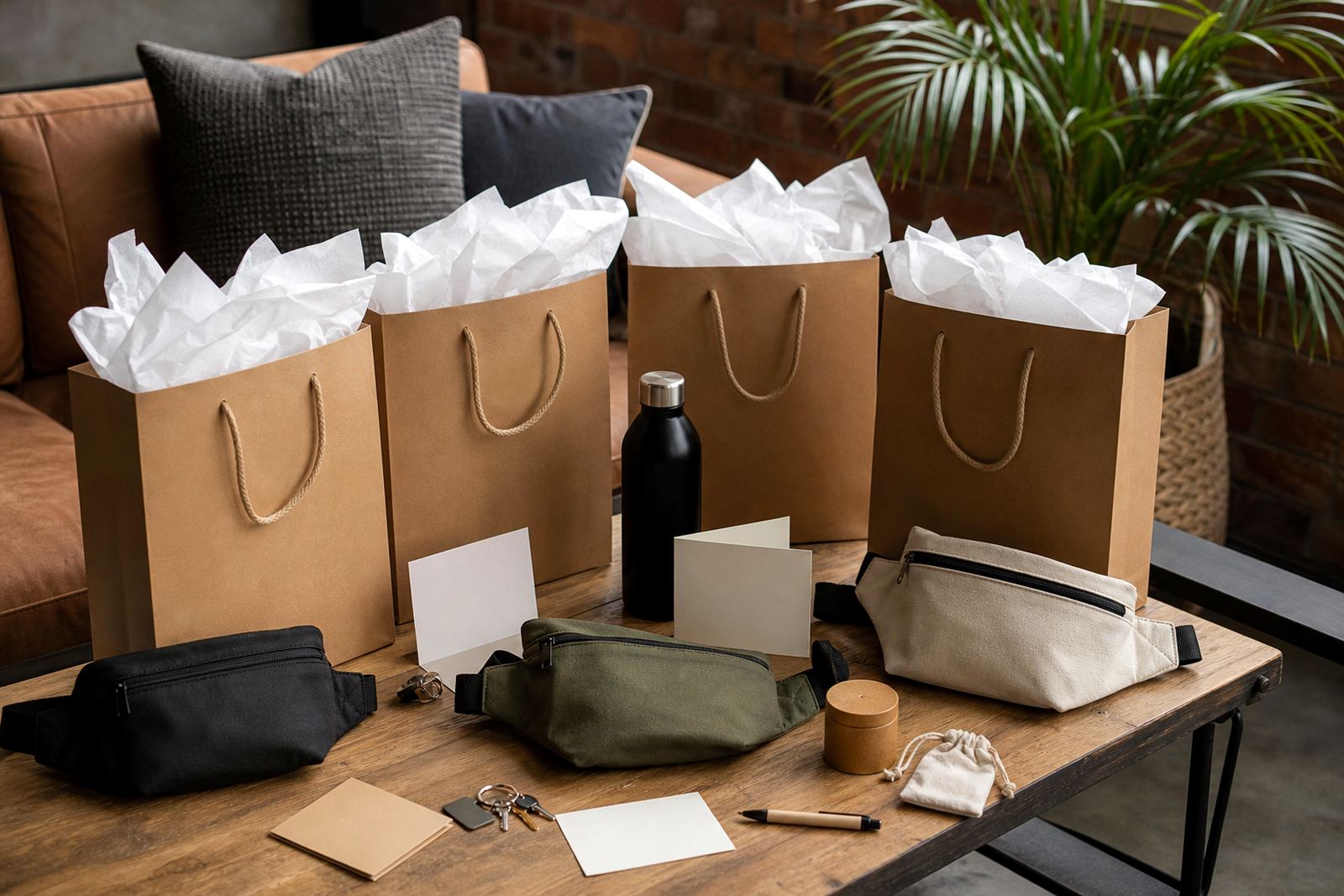
The bag itself should suit the contents first, then the branding. A belt bag works well for compact items, event passes and lightweight personal items. Promotional bags are better when you need more space for brochures, water bottles, apparel or product samples. Check the strap length, zip quality and whether the bag sits comfortably when worn or carried.
- Measure the largest item first, then allow extra space for packing.
- Check if the closure is zip, buckle or flap, depending on how often the bag will be opened.
- Consider storage space at your office or venue if bags are being pre-packed in bulk.
- Ask if the finish suits the event, plain matte for corporate use or brighter colours for activations.
If you are working to a tight budget, keep the design simple and choose one bag style across the full order. That makes packing quicker and keeps the event look consistent.
Match the branding method to the material
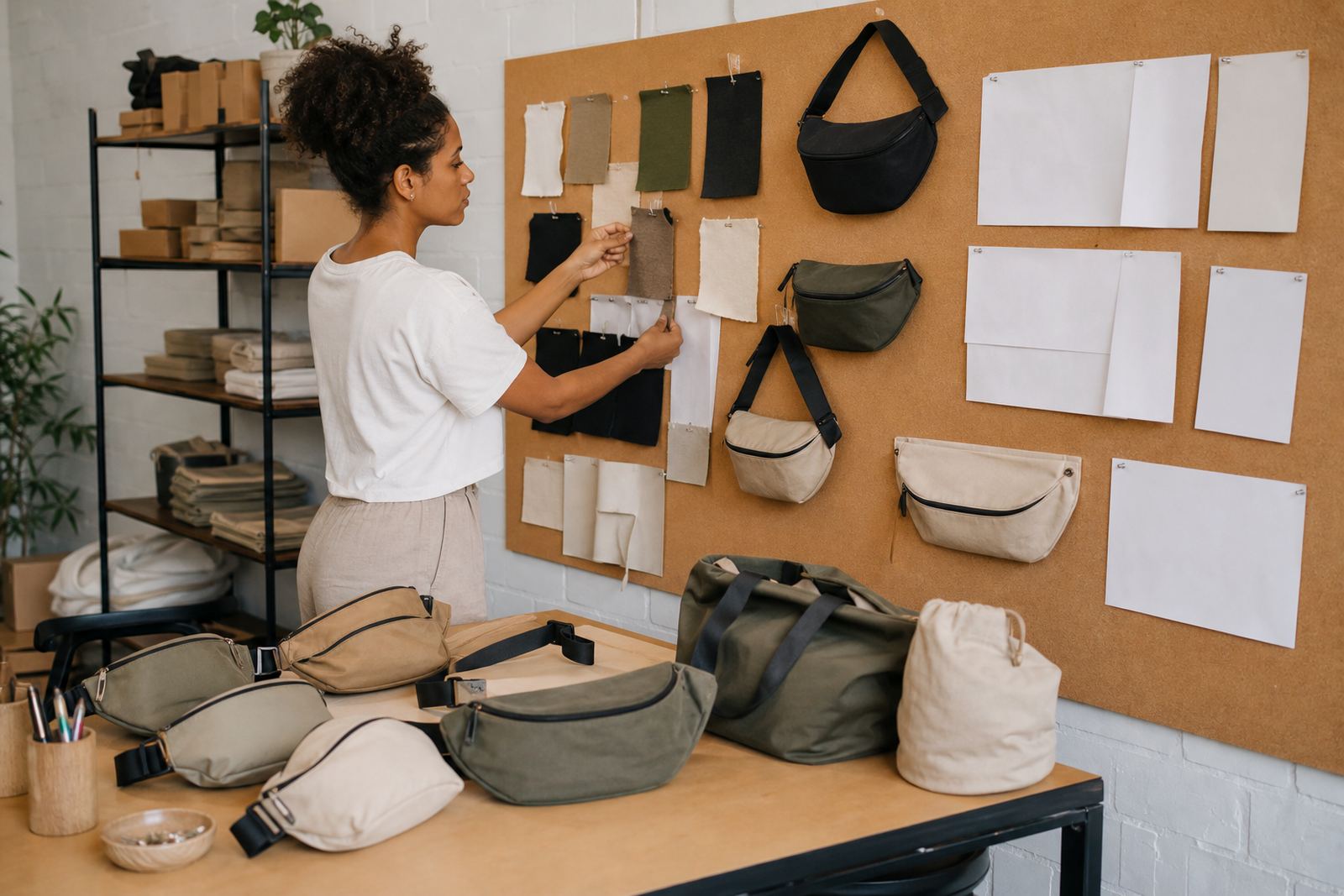
Different branding methods suit different bag materials, and the wrong choice can look tired before the event even starts. For fabric bags, screen printing and heat transfer are common for bold logos and event wording. Embroidery suits thicker materials where a stitched finish is preferred. Debossing can work well on selected surfaces when a more subtle look is needed.
Artwork should be prepared carefully before production starts. Keep logos clear, use correct colours and check the size of any text. Small detail can disappear on a compact bag, especially if the print area is limited. It is worth requesting artwork setup and a sample check before approving a full run. One dropped stitch or a fuzzy print on a hundred bags is a headache nobody wants.
Build the contents around the event, not the other way round
Gift bags work best when every item earns its place. Start with the main purpose of the event, then add items that support it. A conference bag might include a notebook, pen, brochure pack and snack. A client appreciation bag may need a sample item, a message card and a practical add-on that gets used after the event.
- List the must-have items first, then the nice-to-have items.
- Check dimensions and weight for each item before finalising the bag size.
- Keep fragile items separate from heavier items to avoid damage in transit.
- Use inserts or wrapping where needed to stop movement inside the bag.
- Leave room for last-minute additions if event schedules change.
For corporate events with multiple guest groups, split the contents by audience. Senior guests may receive a fuller pack while general delegates get a lighter version. That keeps costs under control and avoids waste.
Plan packing, quality checks and event-day delivery
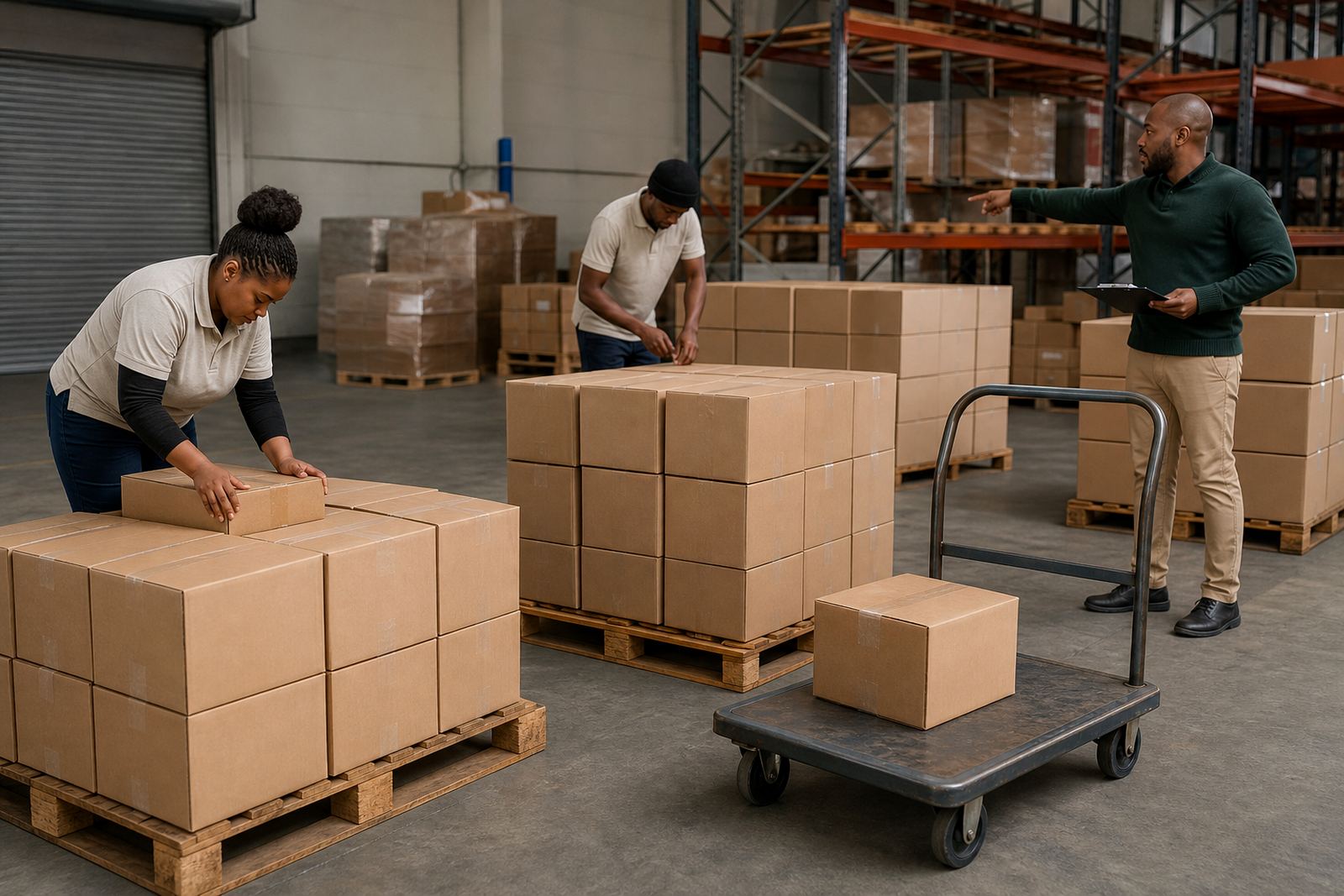
Packing is where many event plans fall behind. If you need 300 bags packed and delivered to Cape Town, Pretoria or Gqeberha by a certain day, the pack sequence has to be set early. Decide who supplies the contents, who assembles the bags, and who signs off the final count. Bulk packing helps when the same pack must be repeated many times.
Quality checks should happen before dispatch, not after the van has left. Count every bag, check print alignment, inspect zips and seams, and confirm that the correct items are inside each pack. If the venue has loading bay rules or limited access times, build that into the plan. For split delivery, label each box clearly by venue, floor or delegate group. That saves a lot of confusion when the team is setting up under pressure.
Use a simple checklist before you place the order
A short checklist can prevent costly mistakes and keep the whole order on track. Once the event date is fixed, work backwards from delivery and pack-out. Make sure your supplier has the final artwork, final quantities and a clear delivery schedule. If you are ordering in winter or around year-end, allow extra time for approvals and courier delays.
- Event date and venue confirmed
- Guest count and spares agreed
- Bag style and size approved
- Branding method selected
- Artwork signed off
- Contents measured and counted
- Packing instructions issued
- Delivery address and access notes shared
When in doubt, keep it practical. A well planned gift bag does not need to be complicated, just neat, useful and on time.