
Start with the bag job, not the print
Before you choose fabric or branding method, decide what the bag must do. Is it for conference packs, retail gifting, staff welcome packs, or customer giveaways at a roadshow? A bag for a one-day expo in Cape Town needs a different spec to a bag that will be used every week for groceries in Johannesburg or school runs in Pretoria.
Think about size, handles, closure, and load. A flat tote suits brochures and light giveaways. A gusseted bag gives more depth for catalogues, samples or boxed items. If the bag will carry bottles, lunch items or heavier goods, ask for stronger stitching and wider handles so the weight sits better on the shoulder.
It also helps to match the bag to the audience. Executive clients usually prefer a neater finish and subtle branding, while event crowds often respond well to a practical, easy to carry bag they will keep. If you get this first step right, the rest of the buying decision gets much easier.
Choose the right eco material for South African conditions
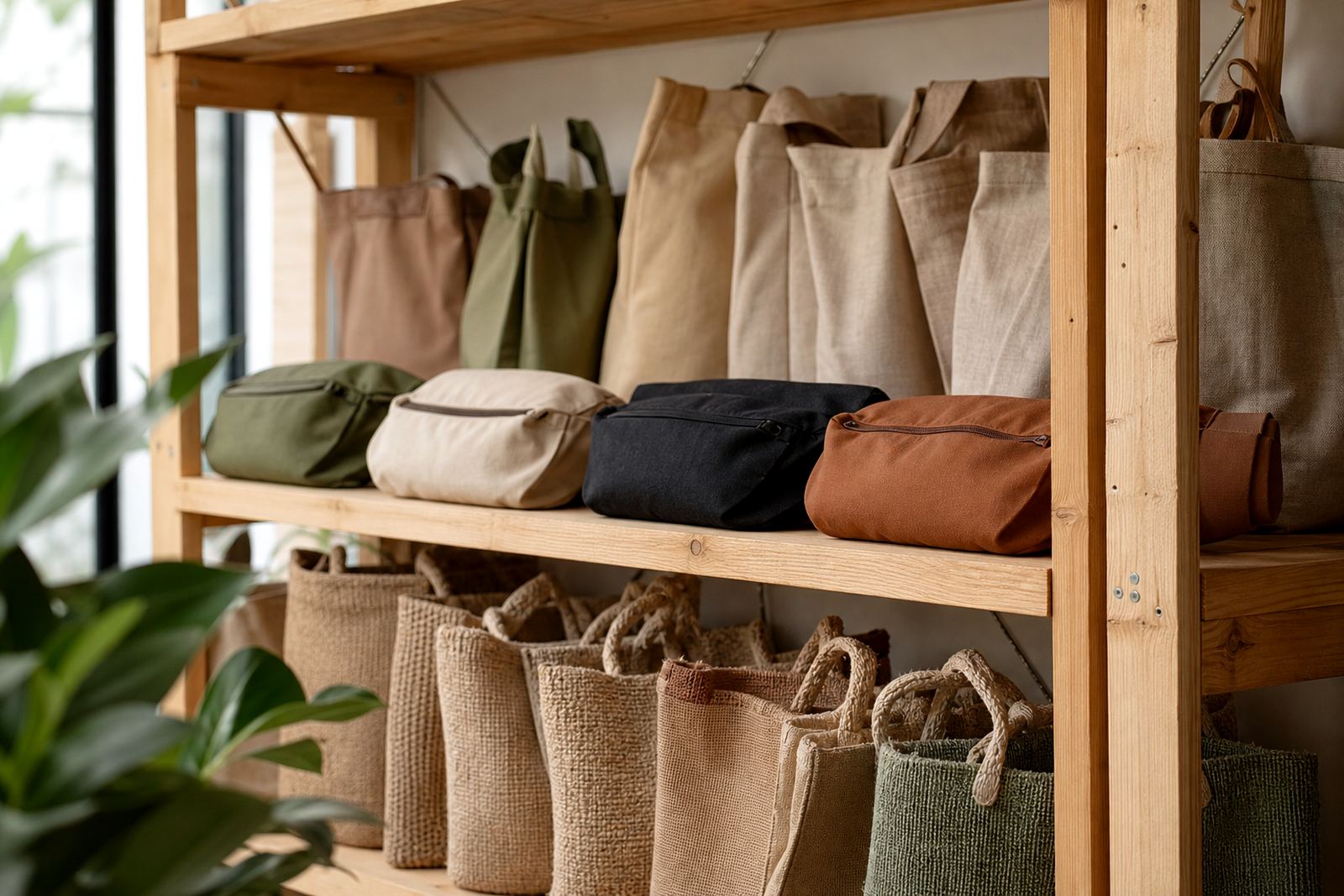
Recycled and reusable bags come in a few common material types, each with its own strengths. Recycled polyester works well for a neat finish and good colour detail. Cotton and canvas feel more natural and are popular for long use. Non-woven recycled options are lighter and more budget friendly for high-volume campaigns. Jute gives a more textured, earthy look but can feel heavier and rougher in hand.
In coastal areas like Cape Town, Durban and Gqeberha, moisture and salty air can affect how bags are stored before an event. For long lead times, choose materials that keep their shape in a storeroom and avoid delicate finishes that mark easily. In hotter inland conditions, make sure the bag can handle heat in a vehicle or loading bay without wrinkling or flattening badly. That matters more than people think.
- For premium gifting: cotton, canvas or recycled polyester
- For large event quantities: non-woven recycled options
- For a natural, earthy look: jute or blended fibre styles
- For heavier contents: gusseted bags with reinforced handles
Pick branding that still works after repeated use
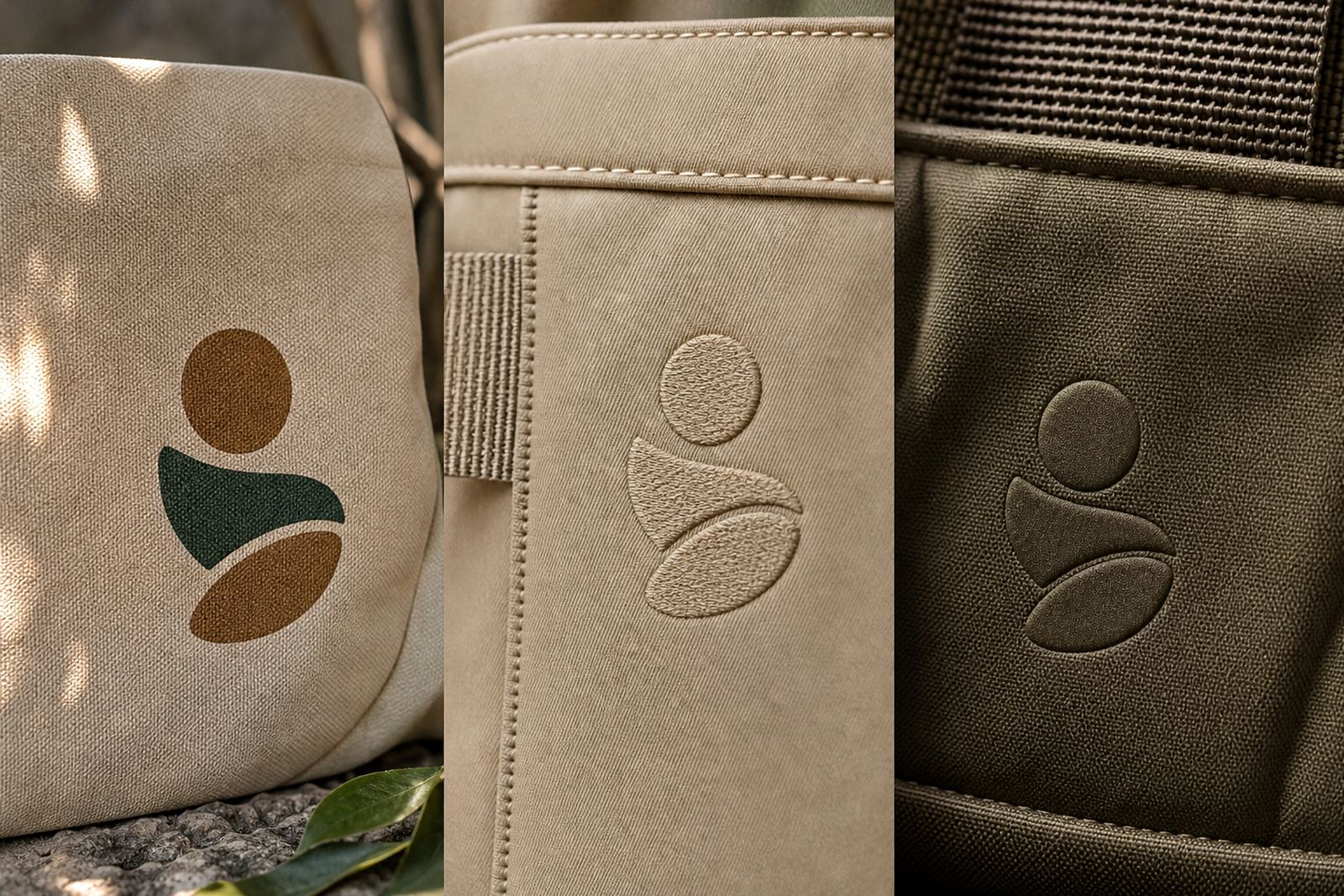
The print method should suit the fabric and the look you want. Screen printing is cost-effective for bold logos and solid colour artwork. Heat transfer is useful when you need more detail or a small print run. Embroidery suits thicker fabrics and gives a more formal finish. Debossing can work well on selected materials where a pressed-in mark is preferred over ink.
Keep artwork simple if the bag will be used a lot. A clear logo and one strong message usually outlast a busy layout. Light-coloured bags show dark logos well, while darker bags need planning so the artwork does not disappear. Always ask how many colours are in the logo and whether fine text will still read clearly once printed or stitched.
- Best for bulk giveaways: single or two-colour screen printing
- Best for detailed artwork: heat transfer
- Best for a premium finish: embroidery or debossing
- Best for repeat use: strong contrast and simple layout
Use a checklist before you approve the order
A good eco bag order starts with a proper check. Look at the finished size, handle length, stitching, print position, and whether the bag sits upright when filled. If you are planning a corporate event, ask for a sample or product mock-up before full production. It saves time and avoids last-minute changes when the event is already booked and the team is under pressure.
It is also worth confirming the packing method. If bags are being inserted into conference packs, they may need to fold flat. If they are being handed out at registration, they need to be easy to grab and count. For split deliveries across Cape Town, Johannesburg, Pretoria, Durban and Gqeberha, make sure the quantities and pack labels are clearly set out from the start. Small mistakes in dispatch can create big delays, especially when load-shedding or traffic already affects timing.
- Check artwork spelling, logo size and placement
- Confirm bag dimensions and handle strength
- Approve colour match against your brand reference
- Ask about sample approval, packing and delivery split points
Plan quantities and lead times around your event date
Lead time matters most when the event date is fixed. If you need bags for a conference, staff function or product launch, build in time for artwork setup, sampling, production and quality checks. Rush orders can work, but only if the artwork is ready and the print method suits the deadline. Leaving it too late often forces compromise on material or finish.
For larger runs, it helps to order a little extra. A few spare bags cover late RSVPs, damaged stock, or last-minute VIP guests. If the bags are being used across several branches or venues, split delivery can keep each team supplied without overloading one site. This is especially useful when event stock needs to reach more than one town on the same week.
Ask for realistic timelines, not hopeful ones. A supplier should tell you whether the order can be packed, checked and sent in good time. That makes budgeting easier too, because you can compare proper quoted options instead of guessing your way through the process.
Match the bag to the campaign outcome
The best eco bag is the one people keep using after the event is done. If your goal is visibility, choose a style with enough surface area for the logo to stay visible in public. If your goal is premium corporate gifting, choose better fabric and a cleaner finish. If your goal is high-volume distribution, keep the spec practical so the unit cost stays sensible.
Think beyond the first handover. A good reusable bag should still look decent after a few shopping trips, commutes or office runs. That is where quality checks matter. Straight stitching, consistent print, and tidy packing all affect how the bag reflects on your business once it leaves the event floor. If you get those details right, the bag keeps working for you long after the launch table is cleared.
For businesses across South Africa, the right eco bag can carry more than just items. It carries a brand people will see again and again, which is why the practical details matter so much.