
Start With the Event Date, Then Work Backwards
The safest way to plan any order is to begin with the handover date and count back from there. For corporate events in Cape Town, Johannesburg, Pretoria, Durban or Gqeberha, we suggest building in extra time for artwork approval, sampling if needed, production, packing and final dispatch.
A standard order moves faster when sizes, colours and branding method are confirmed early. If you are ordering for a conference, roadshow or staff onboarding, please allow enough time for corrections, stock checks and delivery delays caused by traffic, weather or peak freight periods.
- Confirm the event date and delivery address first
- Approve the quantity, colour and branding method early
- Allow extra time for large orders or split delivery
- Keep one contact person available for approvals
Sampling and Artwork Setup Usually Come First
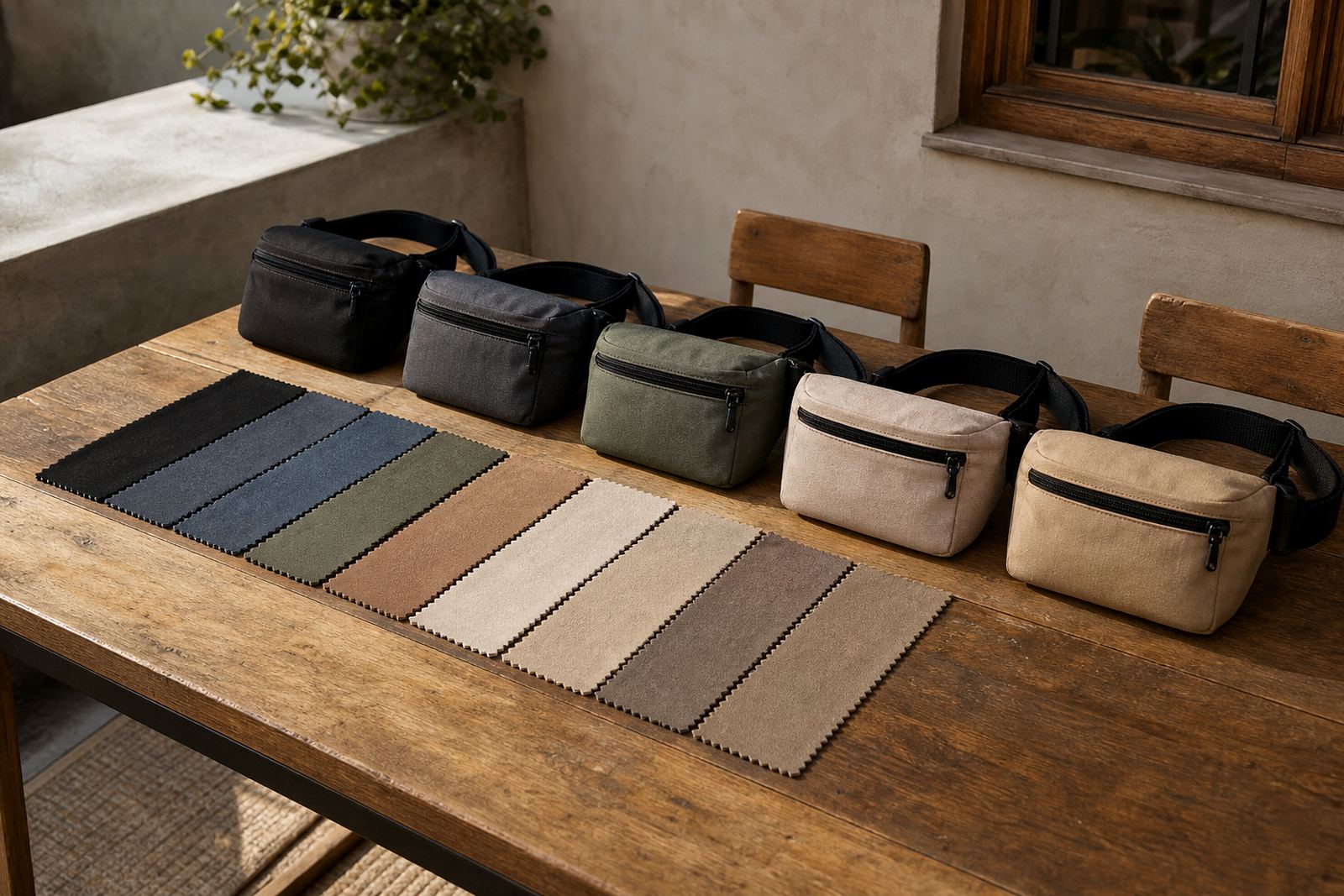
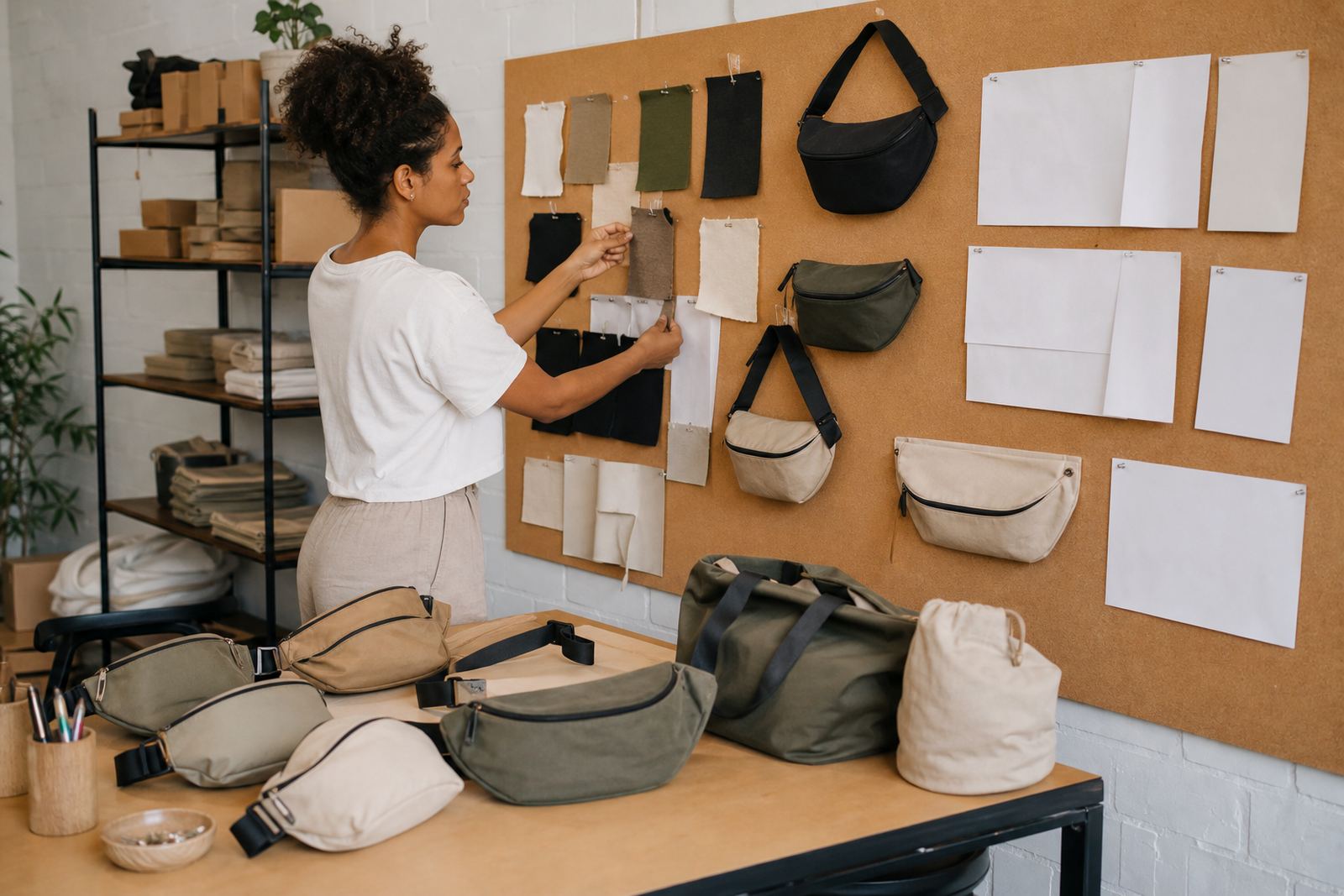
If you want to check size, feel or branding position before production, sampling should be the first step. A sample is useful when you are choosing between belt bag styles, comparing print coverage or checking how a logo looks on darker fabric. In Cape Town and Johannesburg, sample turnaround is often quicker when artwork is final and supplied in a clean format.
Artwork setup is a separate stage and can add time if the logo needs tracing, colour correction or layout changes. Clear artwork from the start saves days later. Please send the final logo version, brand colours and any placement notes together so the proof can be prepared without back and forth.
- Send final logo files, not screenshots
- Confirm Pantone or brand colour references where possible
- Check spelling on names, taglines and event details
- Approve the sample or proof before production starts
Production Time Depends on the Branding Method
Production time depends on how the belt bags are branded and how many units are in the order. Screen printing is often suitable for simple logo work on larger quantities. Heat transfer is useful for detailed artwork and mixed-colour logos. Embroidery takes a little longer because the stitching must be set up carefully, while debossing needs the correct material and a proper pressure test.
Small orders can move quickly, but bigger corporate runs need more time for setup, printing, curing, trimming and inspection. If your order includes different branding positions or multiple product types, add a few extra days. Load-shedding and late courier collections can also affect the final handover, so it is wise to keep a buffer.
- Simple one-colour branding is usually quicker
- Detailed logos may need more setup time
- Mixed product orders take longer to finish
- Rush orders are possible if stock and artwork are ready
Packing, Kitting and Split Delivery Need Extra Care
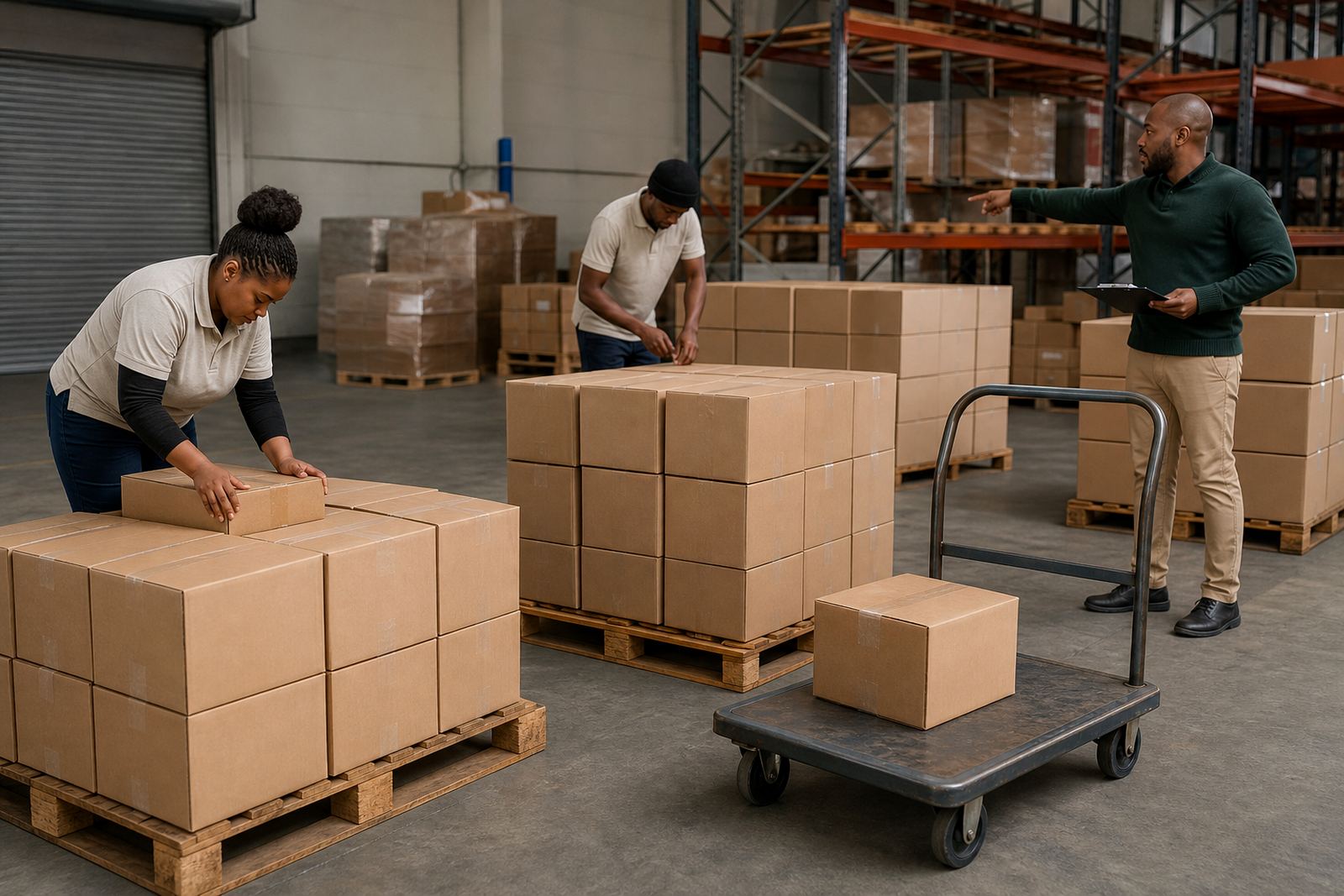
Once branding is complete, the order moves into quality checks and packing. This is where sizes, counts and labelling are confirmed. If you need event packs, staff packs or client hampers, allow more time for bulk packing and kitting. Each set must be counted, packed in order and checked again before dispatch.
Split delivery can help when your team is spread across branches or when event stock must go to more than one venue. We often prepare separate cartons for head office, event teams and overflow stock, especially for businesses operating between Cape Town, Bellville, Somerset West, Durban and Pretoria. It keeps handovers simpler and reduces mix-ups.
- Request packing labels if items are going to different teams
- Tell us if the order needs to be split by branch or event day
- Allow time for final count checks before release
- Confirm whether you need loose stock or pre-packed sets
Delivery Timelines Across South Africa
Delivery time depends on where the goods are going and how quickly the courier can collect. Metro deliveries in Cape Town, Johannesburg and Pretoria are usually quicker than regional routes, while coastal deliveries can sometimes be affected by wind or port-side delays. Rural and outlying addresses need extra time, especially when the site has limited access or strict receiving hours.
If your event is in Durban, Gqeberha or a smaller town in the Western Cape or Gauteng, please share the exact delivery point and receiving contact. Municipal venues, hotels and conference centres may have specific drop-off rules, and some only accept goods during fixed receiving windows. A clear address saves time and avoids returns.
- Use a full street address with suburb and postal code
- Include the venue name and loading bay if there is one
- Tell us about restricted delivery times or security checks
- Plan for a day or two of buffer time before the event
How to Keep Your Order On Schedule
The best way to stay on schedule is to confirm details early and avoid last minute changes. The more complete the brief, the smoother the process. If quantities or artwork change after production has started, the lead time may shift. That is normal, but it is always better to lock things in before the first run begins.
Our team in Montague Gardens works through enquiries in order and keeps an eye on quality from the first proof to the final carton. A simple checklist helps everyone move faster, especially when you are preparing for a launch, expo or year-end function.
- Have the event date, quantity and delivery address ready
- Send final artwork and approval notes together
- Confirm whether sampling is required
- Let us know if rush production or split delivery is needed
- Check that your receiving team will be available on delivery day
A Practical Timeline You Can Use
For a standard order, allow time for briefing, artwork setup, sampling if required, production, quality checks, packing and delivery. Smaller orders with ready artwork can move faster, while larger or more detailed jobs need a longer window. If the order is tied to a conference or sales launch, start planning as soon as the event date is confirmed.
A good working rule is to leave enough time for one round of changes and one round of packing checks. That way there is less pressure on the team and a lot less risk of missing the handover date. When timing is tight, tell us upfront so we can advise what is realistic and where the bottlenecks may be.
- Early planning avoids rush fees and rework
- Sampling helps before larger production runs
- Artwork approval should happen before printing starts
- Delivery should be scheduled with a buffer before event day