
Start With the Event, Not the Bag
The best conference bag is the one that suits the day on the ground. A one-day seminar in Cape Town needs something different from a three-day sales conference in Johannesburg or a client forum in Durban where delegates are carrying notebooks, chargers and water bottles. Start by listing what will go into the bag, then choose the size and style that fits those items without becoming bulky.
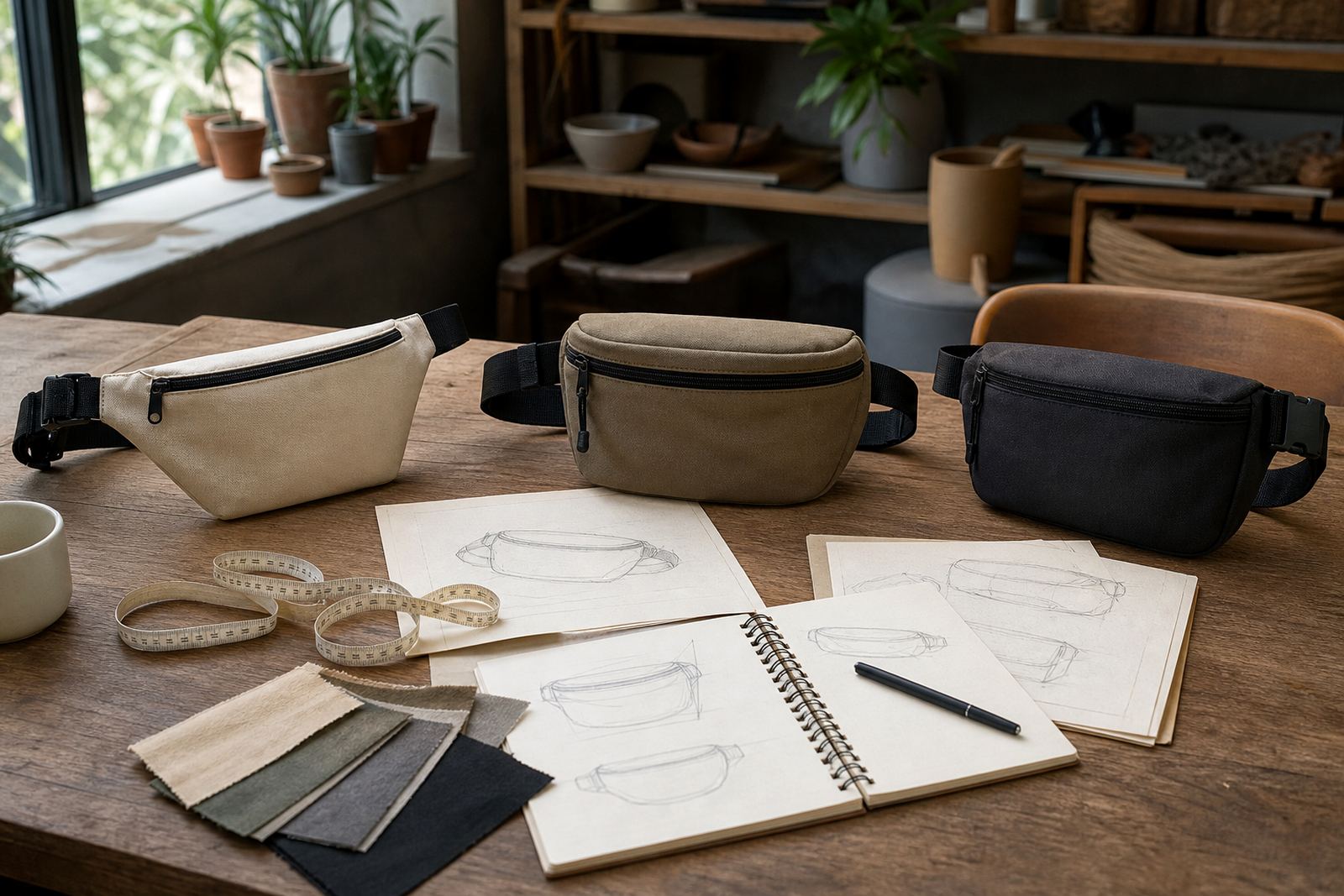
For most corporate events, a compact crossbody, belt bag or small promotional bag works well when delegates only need a brochure, a pen, a lanyard and a few handouts. If you are packing product samples, A4 documents or a laptop charger, you will need more structure and stronger stitching. Think about how the bag will be used after the event too. A bag people keep and reuse gives your brand more exposure across offices, airports and commutes.
It also helps to think about the event setting. Outdoor conferences in coastal areas need materials that handle humidity and a bit of sand, while indoor venues in Pretoria or Sandton may call for a cleaner executive look. If the venue has strict registration flow, choose a bag that is easy to hand out and easy to check off.
Choose Capacity That Fits the Delegate Pack
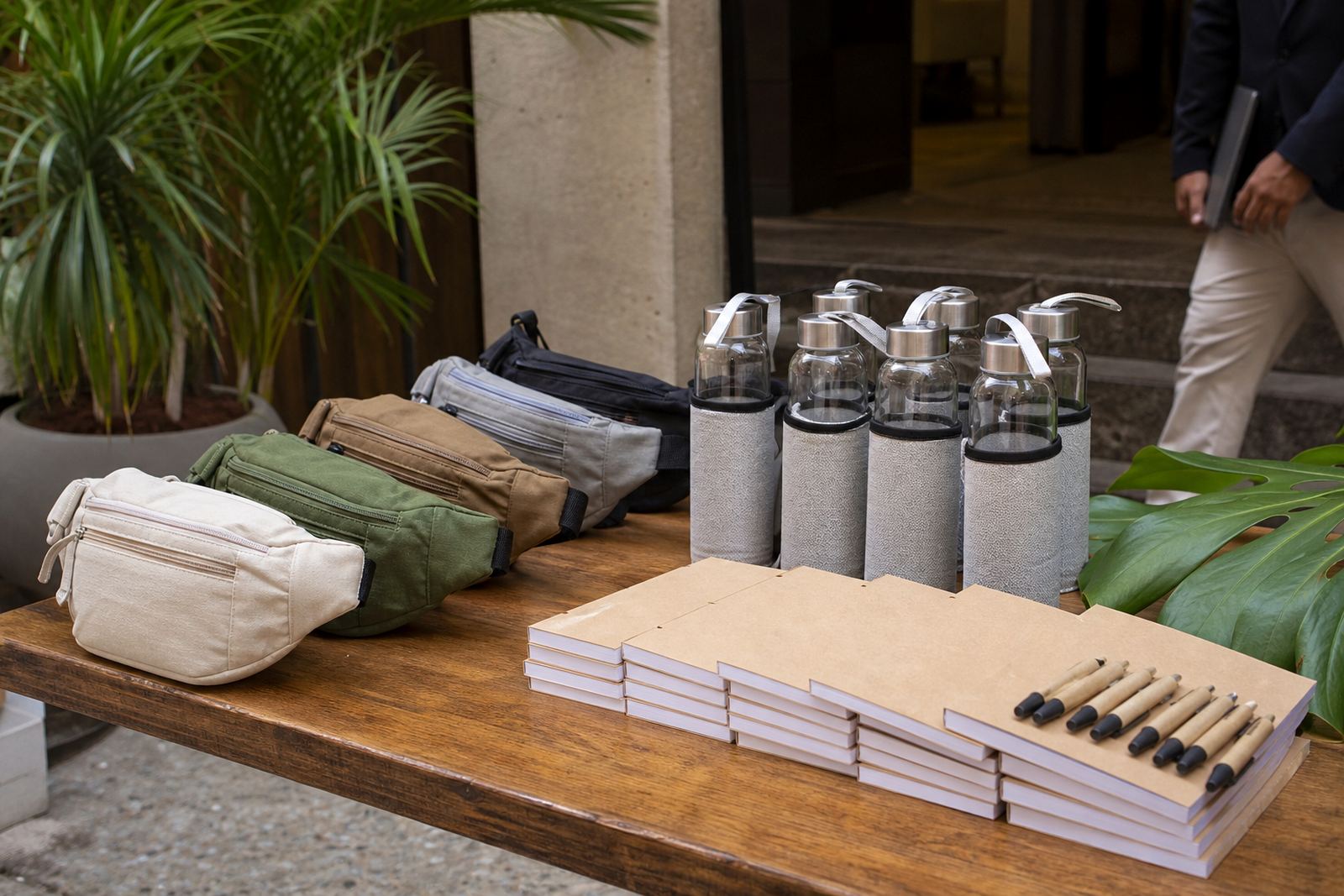
Capacity is where many orders go wrong. Too small and the pack feels cramped, too large and the bag looks empty even after filling it. A good rule is to map the contents first, then select the internal volume and closure style around that list. If you are including a notebook, pen, programme card, snack pack and bottle of water, allow enough depth so the zip or flap closes properly.
- Small events: badge, pen, folded agenda and one slim insert
- Medium events: A5 notebook, pen, booklet, charger and small refreshments
- Large packs: A4 folder, bottle, samples, tech items and marketing material
- Premium packs: structured bag with separate compartments for client gifts
Check the bag opening as well as the capacity. A wide opening speeds up packing for your team, especially when you are kitting hundreds of units in a short window. For split deliveries to Cape Town, Johannesburg, Pretoria, Durban and Gqeberha, consistent pack dimensions make it easier to divide stock without last-minute shortages.
Match Branding Method to the Look You Want
Branding is not only about placing a logo on the front. The method you choose changes how the bag feels, how long the branding lasts and how the finished item presents at registration. Screen printing suits bold logos and larger runs. Heat transfer is useful for detailed artwork or smaller quantities. Embroidery gives a more textured finish for premium conference bags, while debossing works well where you want a more understated corporate look.
Keep the artwork simple if the print area is small. A busy logo on a compact bag can look crowded, especially when seen from a distance in a hotel foyer or exhibition hall. One strong mark usually works better than trying to fit in too much text. If you need sponsor recognition as well, place it carefully so the main brand stays clear.
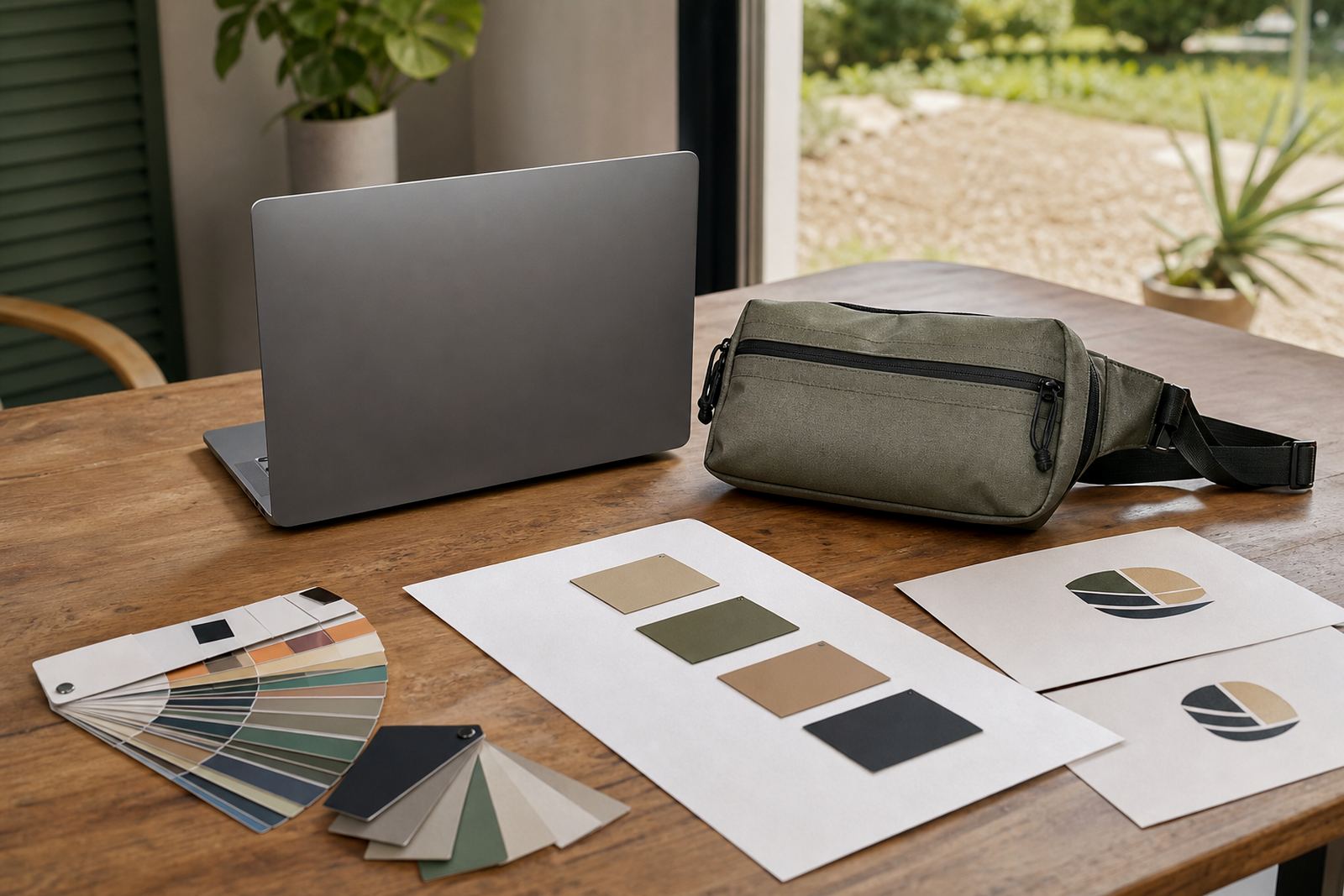
Ask for artwork setup before production starts. That is where spacing, colour match and logo size are checked against the bag style. It saves time and helps avoid reprints, which is important when you are working to a fixed event date and the courier deadline is close.
Budget for the Full Job, Not Only the Unit Price
Conference bag pricing should be looked at as a full project cost. The unit price matters, but so do branding, sampling, packing, delivery and any rush work. A lower cost bag can become expensive if the print area is too small, the finish is poor, or the product does not hold up long enough for your guests to reuse it.
Set the budget by event tier. Internal staff conferences often need more functional bags and fewer premium finishes. Client events and leadership forums usually justify a better presentation because the bag becomes part of the overall impression. If you are planning for multiple branches or regional offices, ask for a price break on bulk quantities and separate delivery lines for each destination.
- Confirm the quantity needed for delegates, speakers and extras
- Allow a buffer for late registrations and replacement stock
- Include branding, sampling and quality checks in the quote
- Ask about delivery timing to each city or venue
It is better to order a little extra than to run short on the morning of the event. A few spare units also help if you need to replace a damaged bag or add walk-in guests.
Plan for Timelines, Packing and Last-Minute Changes
South African event timelines can be tight, especially when venue confirmations arrive late or delegate numbers shift after marketing goes out. Work backwards from the event date and allow time for artwork approval, sample checks, production, packing and dispatch. If the event falls near a public holiday or during heavy end-of-month courier volumes, build in extra time.
Load-shedding can also affect production planning and dispatch schedules, so it helps to confirm milestones early. If you need rush orders, keep the design simple and the quantity realistic. Complex branding across several bag types can slow things down. A focused pack list and a clear sign-off process keeps the job moving.
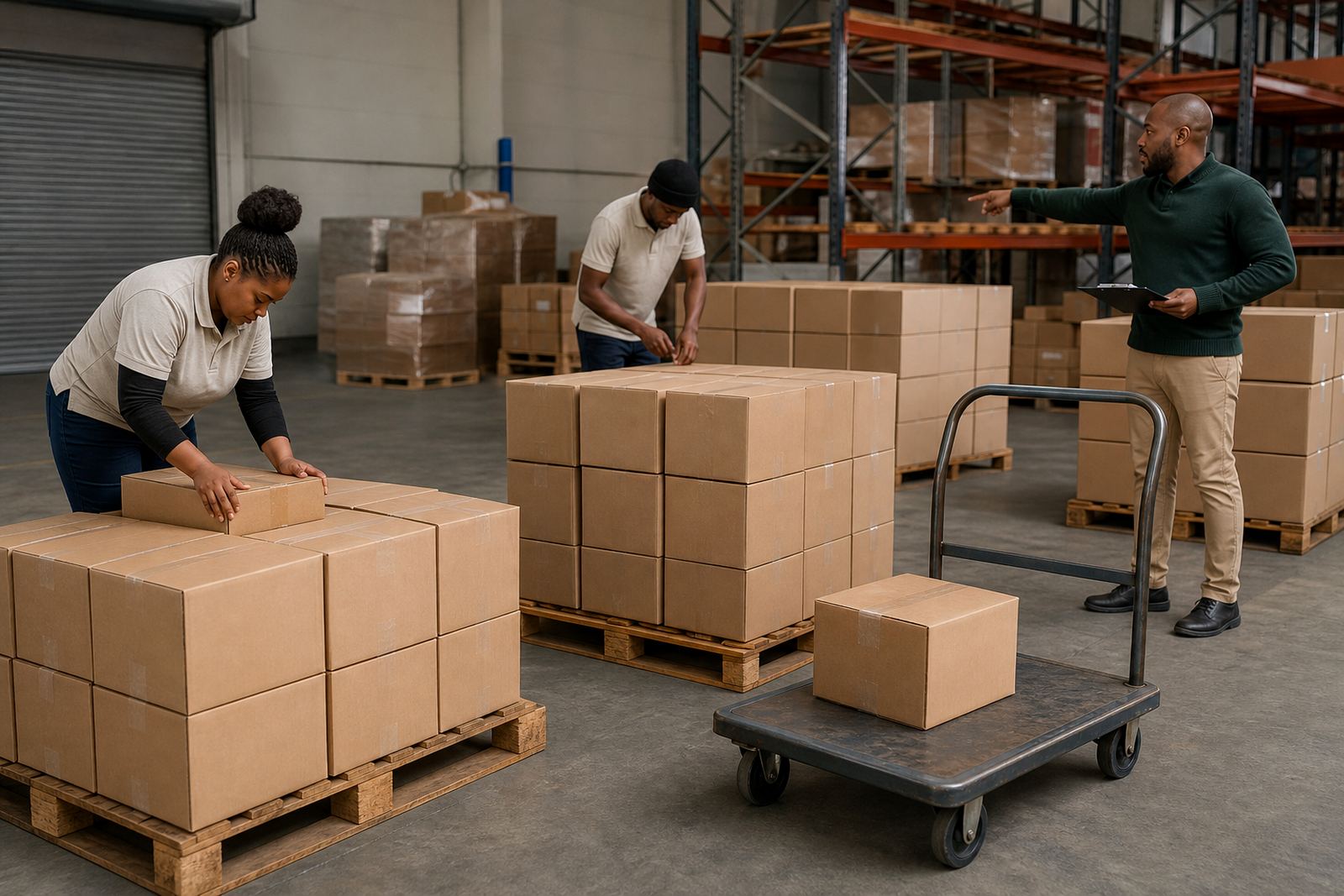
For larger conferences, event kitting and bulk packing save time on site. Bags can be packed in delegate order, by ticket type or by region. Split delivery is useful when the same conference happens across several branches or when speakers need separate packs delivered ahead of the main registration counter. Little details like that make the handover smoother and reduce stress on event day.
Use a Simple Checklist Before You Confirm
A clear checklist prevents mistakes and keeps everyone aligned. Before you place the order, review the practical details and make sure the bag choice matches the event goals, not just the artwork file.
- Delegate pack contents confirmed
- Bag size and shape approved
- Branding method selected
- Artwork checked for spelling and placement
- Quantity includes spare units
- Delivery address and date confirmed
- Special packing or split delivery noted
It also helps to consider the finish under real conditions. Matte bags may show less glare in photos, while darker colours can hide marks better during transit. In coastal areas, choose materials that handle humidity and storage without losing shape. If you want a polished result, ask for quality checks before dispatch so the final bags are ready for event day, not just on paper.