
Start with the event purpose
Before you look at colours or logos, decide where the belt bags will be used. A conference bag for registration packs has different needs to a staff bag for a walking tour, a golf day or a promotion at a stadium. If the bag will hold a phone, cards, keys and a small notebook, you can keep it compact. If it must carry sunscreen, charger cables and lanyards, go larger and check the pocket layout. For Cape Town summer events, a light fabric with a proper zip is useful near the coast where sand and wind are common, while inland events in Pretoria or Johannesburg may call for a tougher finish that handles daily use.
Think through who gets the bag too. Client gifts can be neater and more compact, while team issue bags should be practical enough for on-site use. The more clearly you define the job, the easier it is to choose the right product and branding method.
- Single-day event gift: compact, neat and easy to pack
- Team use: extra pockets, stronger zip and adjustable strap
- Outdoor promotion: water-resistant fabric and easy-clean finish
- Premium client pack: cleaner styling with refined branding
Choose the right size and fit
Size matters because the wrong bag is either too bulky or too small to be useful. A good waist bag should sit comfortably at the waist or across the chest without bouncing around. Ask for the actual dimensions and check the strap length, especially if the bag will be worn over jackets in winter or over thicker event clothing. In Durban humidity, lighter fabrics and breathable back panels are often appreciated, and in Gqeberha coastal conditions a bag that dries quickly is a sensible choice.
For most corporate events, keep the shape practical rather than oversized. A flat front panel gives better branding, while a slightly deeper compartment gives you more usable space. If you are packing the bags in bulk, remember that a smaller footprint also saves carton space and reduces handling time during dispatch.
- Check bag width, height and depth before approving samples
- Ask whether the strap is adjustable for different body sizes
- Test how the bag sits when fully packed
- Confirm whether zips, lining and seams feel secure
Match the branding method to your artwork
The branding method should suit both the design and the material. A simple one-colour logo may work well with screen printing, while detailed artwork may need heat transfer or a cleaner application area. Embroidery gives a more textured finish and suits thicker fabric panels. Debossing can work for selected styles where a subtle look is preferred. The final choice depends on your logo shape, the number of colours and how often the bag will be used.
Good artwork setup matters just as much as the print process. Keep logos clear, allow for safe margins, and avoid placing key details too close to seams or zips. If you want names, event dates or department codes, plan the layout early so the finished bag still looks neat. Our team often checks if the logo will read well from 1 to 2 metres away, because that is usually the real test at registration tables, expo stands and shuttle points.
- Use simple logos where possible for cleaner results
- Ask for a sample placement or artwork proof before production
- Keep text short enough to stay legible on a small panel
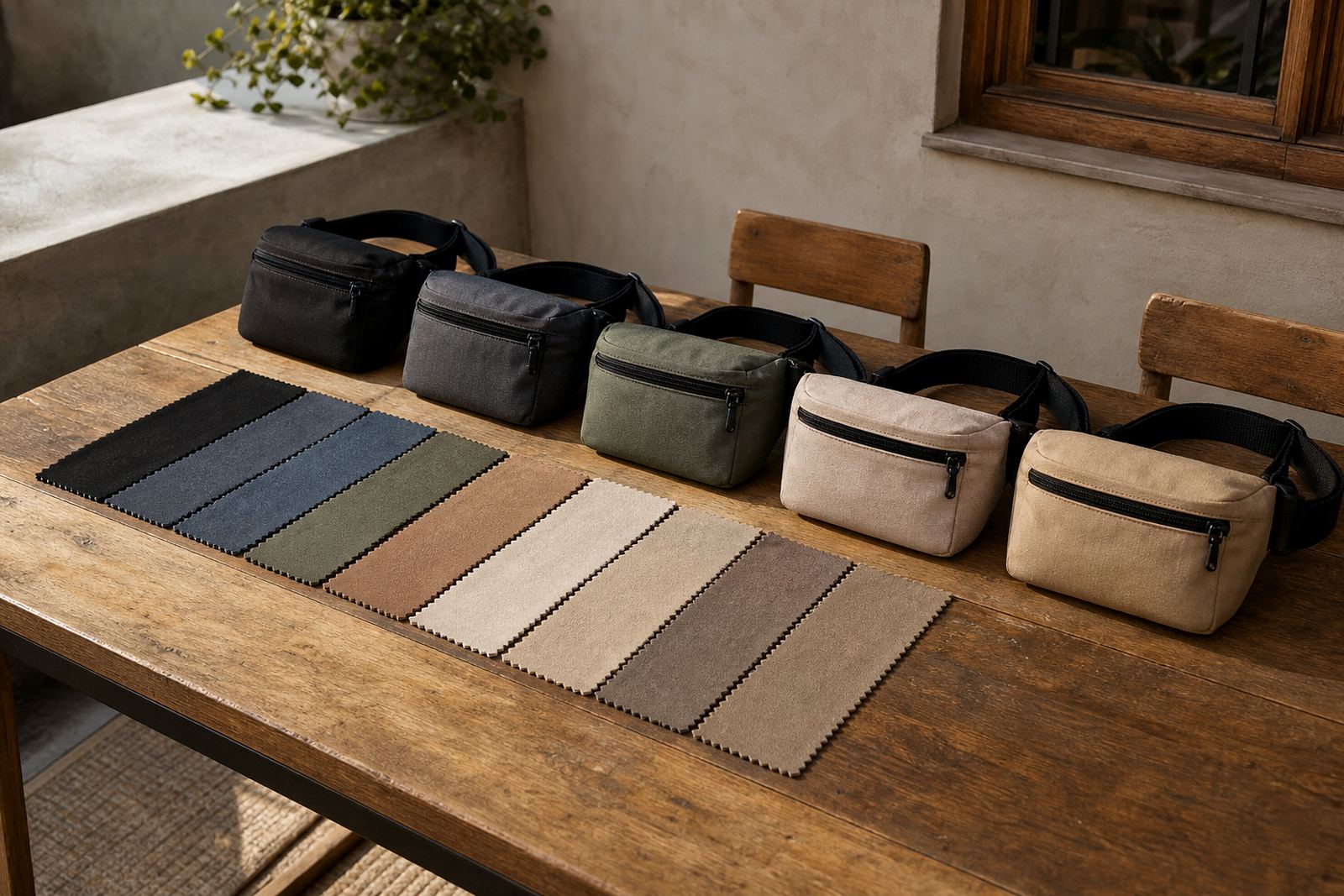
- Confirm colour matching if your brand palette is strict
Check quality details before placing the order
Small details can make the difference between a bag that gets used and one that gets left behind. Look at the zip quality, stitching, strap attachment points and the finish around the branding area. If the bags are for a conference or field team, you want a product that will handle repeated opening and closing without fraying. For sites with load-shedding or early morning setup, it helps if the bag is easy to inspect quickly under low light and still looks clean on arrival.
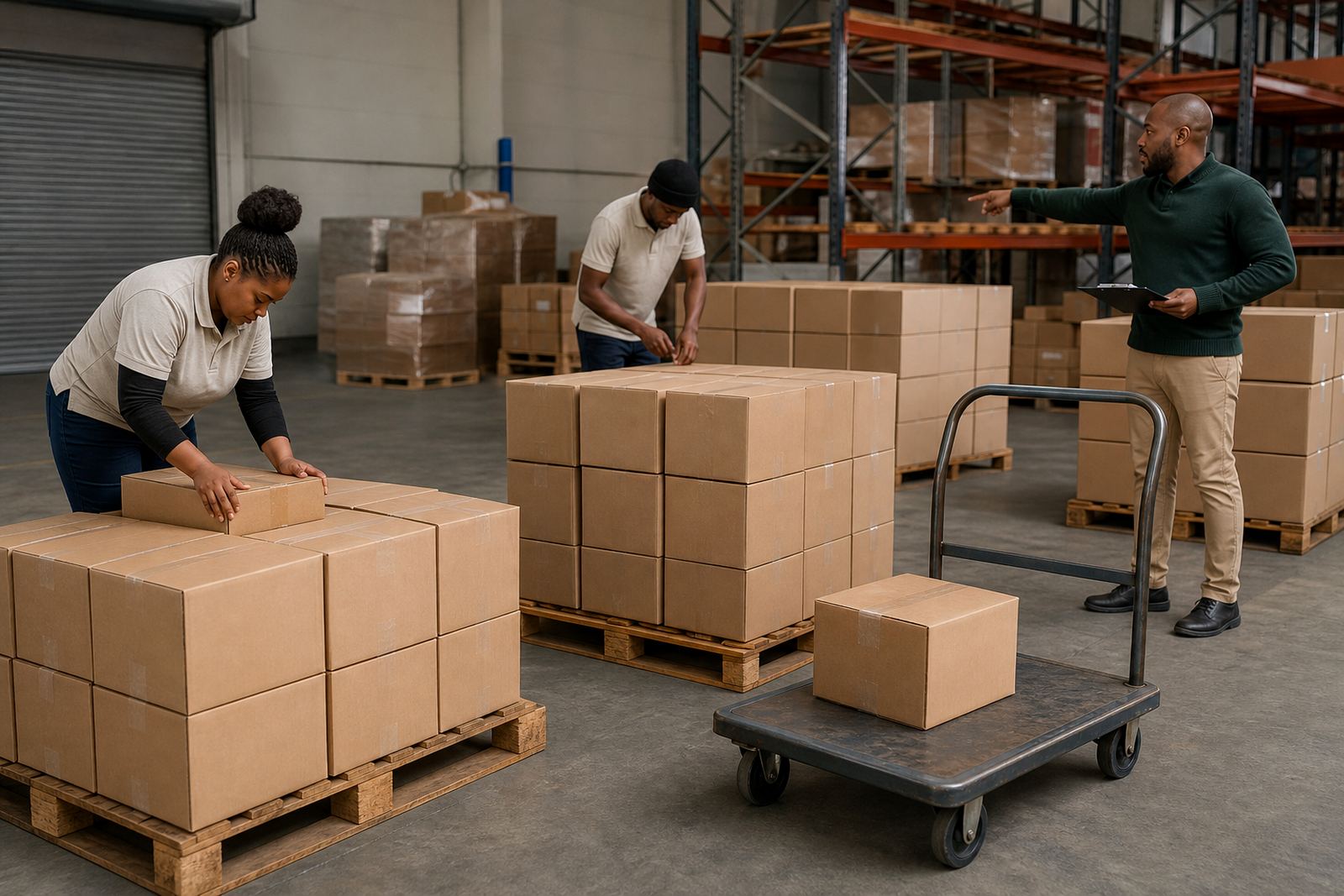
Quality checks should also cover packing. If the order is split for Johannesburg, Pretoria and Cape Town, make sure every carton is counted, labelled and checked before dispatch. For rush orders, this step matters even more because any error can affect the whole event schedule. A clean bag with a tidy print is one thing, but a well packed delivery saves time at the venue too.
- Inspect stitching at strap joins and zip ends
- Check for colour consistency across the full batch
- Ask how bags are packed for transport and storage
- Confirm whether a final quality check is included before dispatch
Plan lead times, sampling and split delivery
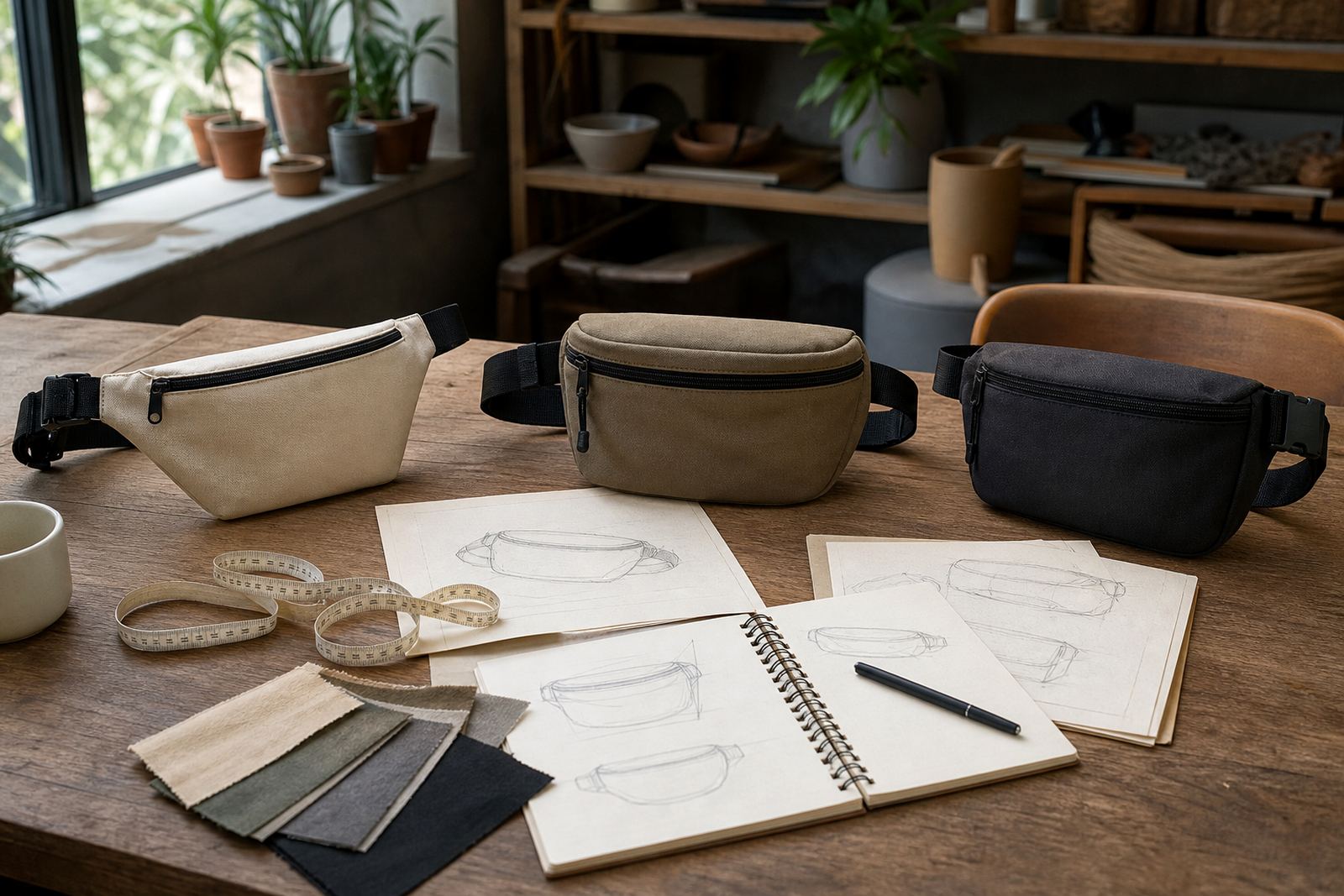
If your event has a fixed date, work backwards from it. You need time for sample approval, artwork setup, production, quality checking and delivery. A sample can prevent costly mistakes, especially when you are choosing between two styles or print methods. It also helps when you need approval from marketing, procurement or a franchise office before the full run is released. In South Africa, delivery timing can change quickly around public holidays, month-end traffic and weather, so it is wise to leave some breathing room.
Split delivery is useful when one event has multiple venues or when different branch teams need stock at different times. That can include Cape Town, Bellville and Somerset West for one group, then Johannesburg, Pretoria or Durban for another. If you need bags kitted with inserts, cards or event items, say so early. It saves repacking later and keeps the handover simple.
- Allow time for artwork sign-off and sample approval
- Build in extra days for courier delays or weather disruptions
- Tell us if the order must go to more than one branch or venue
- Ask about rush orders if your date is close
Use this quick buying checklist
When you have narrowed down the options, use a simple checklist to confirm the final choice. This keeps the decision practical and stops you from ordering a bag that looks good on paper but fails on event day. A solid waist bag should be useful, comfortable and easy to brand without losing its shape. It should also match the level of the event, whether that is a staff incentive, a conference welcome pack or a customer appreciation campaign.
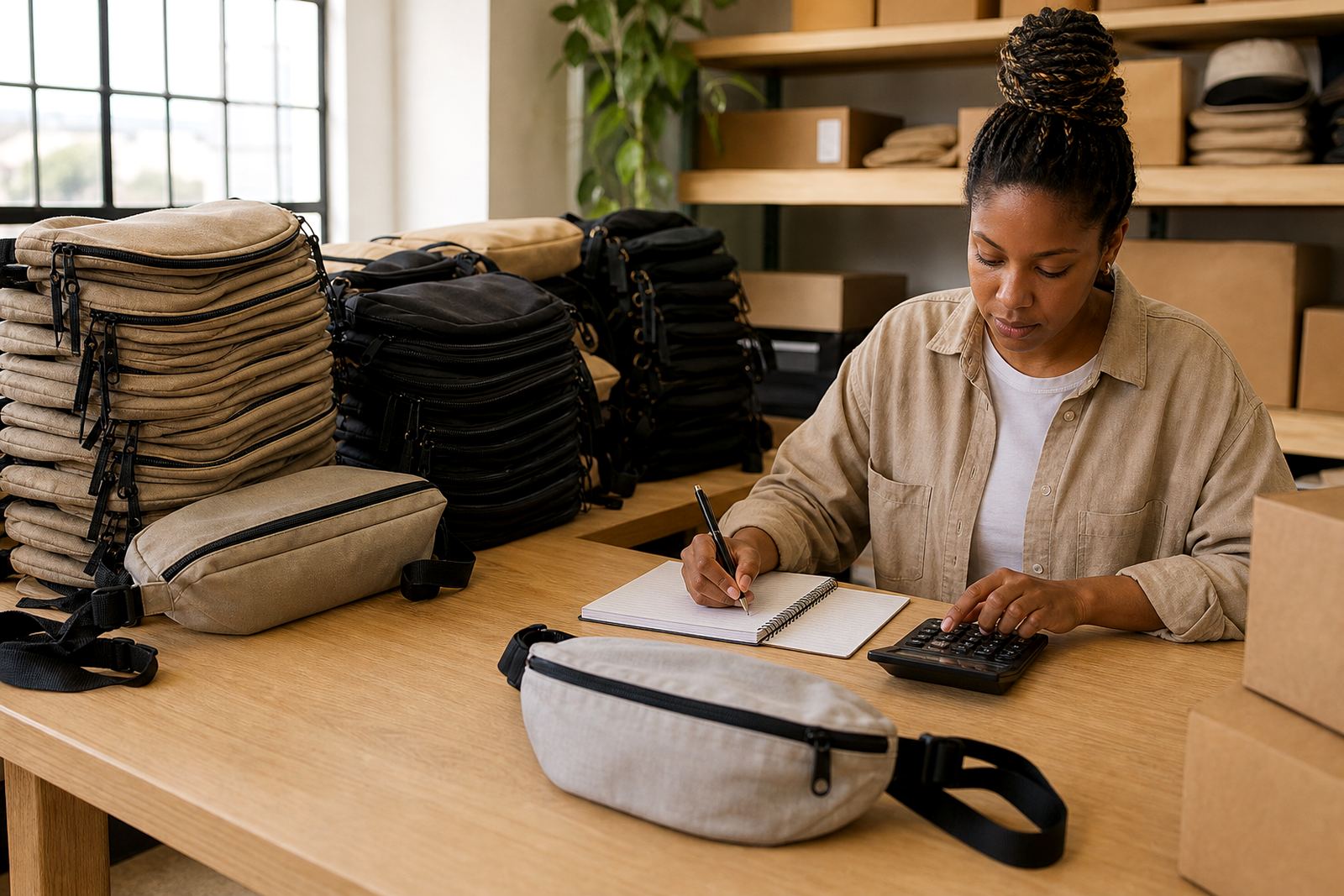
Our clients usually move fastest when they know three things: what the bag must carry, how the branding should look, and when it needs to arrive. If those are clear, the rest becomes much easier. That applies to small runs and bulk orders alike, and it helps the production team keep everything on track.
- Is the bag the right size for the items inside?
- Does the strap adjust comfortably for different users?
- Will the logo print clearly on the selected panel?
- Has the sample been checked and approved?
- Is the delivery plan clear for all branches or venues?