
Start with the real purpose of the order
Before you count heads, decide what the bags need to do. A small internal team pack has a different number to a national conference giveaway or a retail promotion. For corporate events in Cape Town, Johannesburg, Pretoria, Durban and Gqeberha, the best starting point is the use case, not the headline guest count.
Ask whether the bag is for every attendee, only VIPs, speakers, staff, or a mix of groups. If the item must also carry brochures, samples or gifts, allow for spares in case some bags get damaged during packing or transport. In humid coastal conditions, especially around Durban and Gqeberha, it is wise to include a few extra units for quality checks after packing and handling.
- Confirm who must receive a bag
- Check if extras are needed for late RSVPs
- Allow for samples, replacement items and media packs
- Separate staff quantities from guest quantities
Build your quantity from attendance, then add a buffer
Once you have a confirmed attendance figure, add a buffer that suits the event size. For a small leadership meeting, a 5 percent buffer may be enough. For a larger launch, roadshow or exhibition, 10 percent is usually safer. If the order is split across cities or delivered to multiple venues, a slightly higher buffer can help cover courier delays, last minute additions and packing mistakes.
A practical formula is simple: confirmed attendance plus spares for no-shows, plus extras for staff, plus a small emergency stock. If you are ordering 250 belt bags for a 220 person event, you have room for 20 walk-ins or replacements. That can be the difference between a clean handover and an awkward shortage at registration.
- Small meeting or workshop: 5 percent buffer
- Medium event or team order: 8 to 10 percent buffer
- High traffic events or multi-site campaigns: 10 to 15 percent buffer
- Always keep a few sealed units aside for emergencies
Match the quantity to the campaign type
Different campaigns need different planning. A staff recognition order is often based on headcount and department splits. A product launch may need quantities tied to guest lists, sales targets and press attendance. A promotional giveaway at a trade show can be based on expected foot traffic, stand staffing and the number of time slots for handovers.
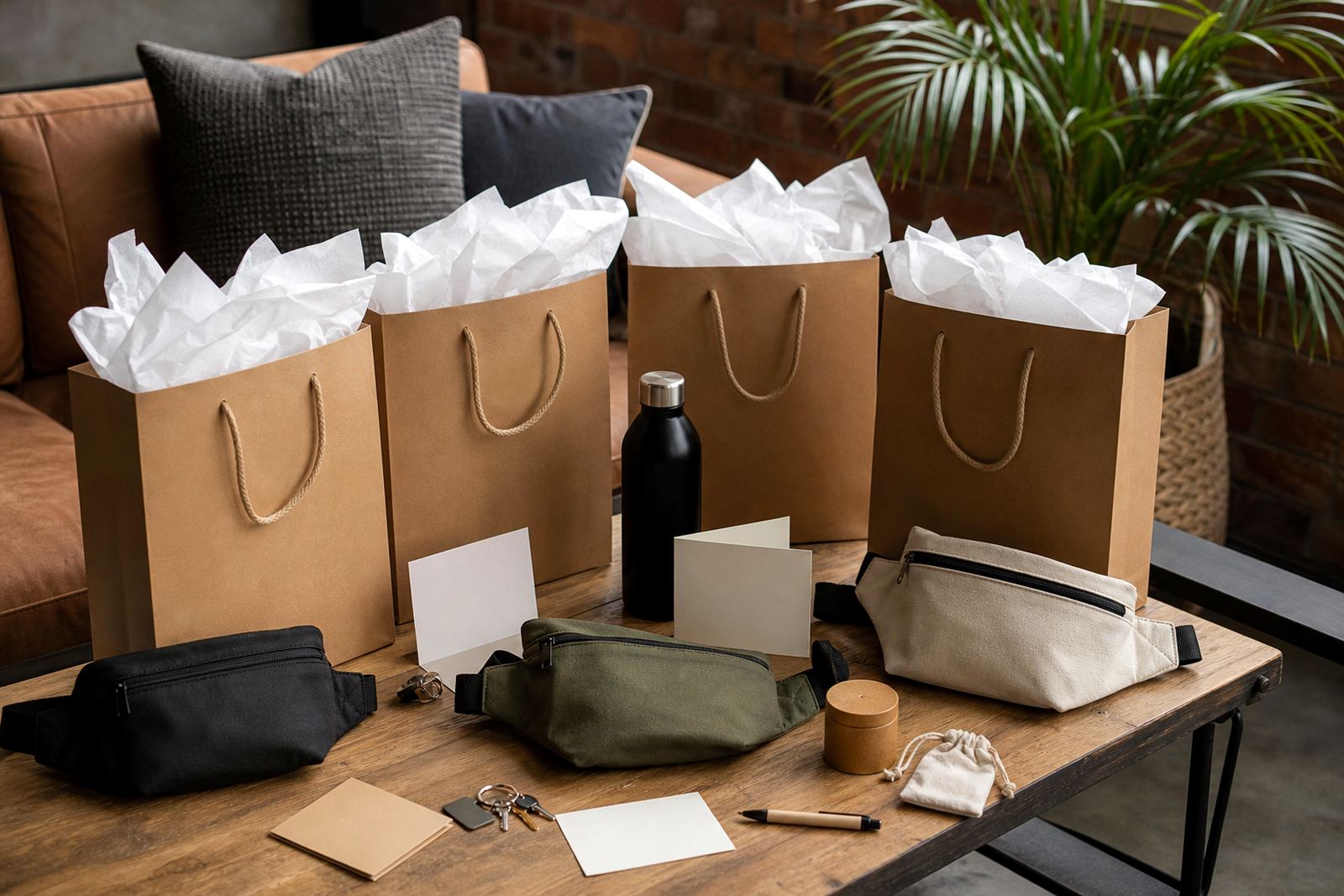
If the bags are going into welcome packs, count every component in the pack before you finalise the order. For example, if each pack includes a belt bag, brochure set and a sample item, the bag quantity must match the full pack count. For split deliveries, it is better to plan by venue rather than by province so each location receives enough stock for the day, even if some boxes are delayed in transit.
- Internal teams: count approved staff and new hires
- Conferences: count delegates, speakers, media and organisers
- Promotions: count expected visitors plus sampling stock
- Retail or resale: count store demand and reserve stock
Use simple order tiers to reduce waste
When you are unsure of the final headcount, tiered ordering can help. Many businesses plan in blocks, such as 50, 100, 250 or 500 units, depending on the event size and the branding method selected. Larger quantities can bring better pricing, but only if the extras will actually be used. It does not help to save a few Rand per unit and end up with boxes sitting in storage.
For recurring campaigns, it can make sense to keep a base stock and reorder later. This is useful when the brand message may change or when the event date is not fixed. Keep in mind that once artwork is approved, any later changes can affect timing. If you need a rush order, a slightly larger quantity can be safer than trying to place a second urgent order days before dispatch.
- Choose a base quantity that covers confirmed need
- Add a reserved top up block for late requests
- Keep a record of what was actually used
- Review wastage after each event
Plan around packing, split delivery and loading times
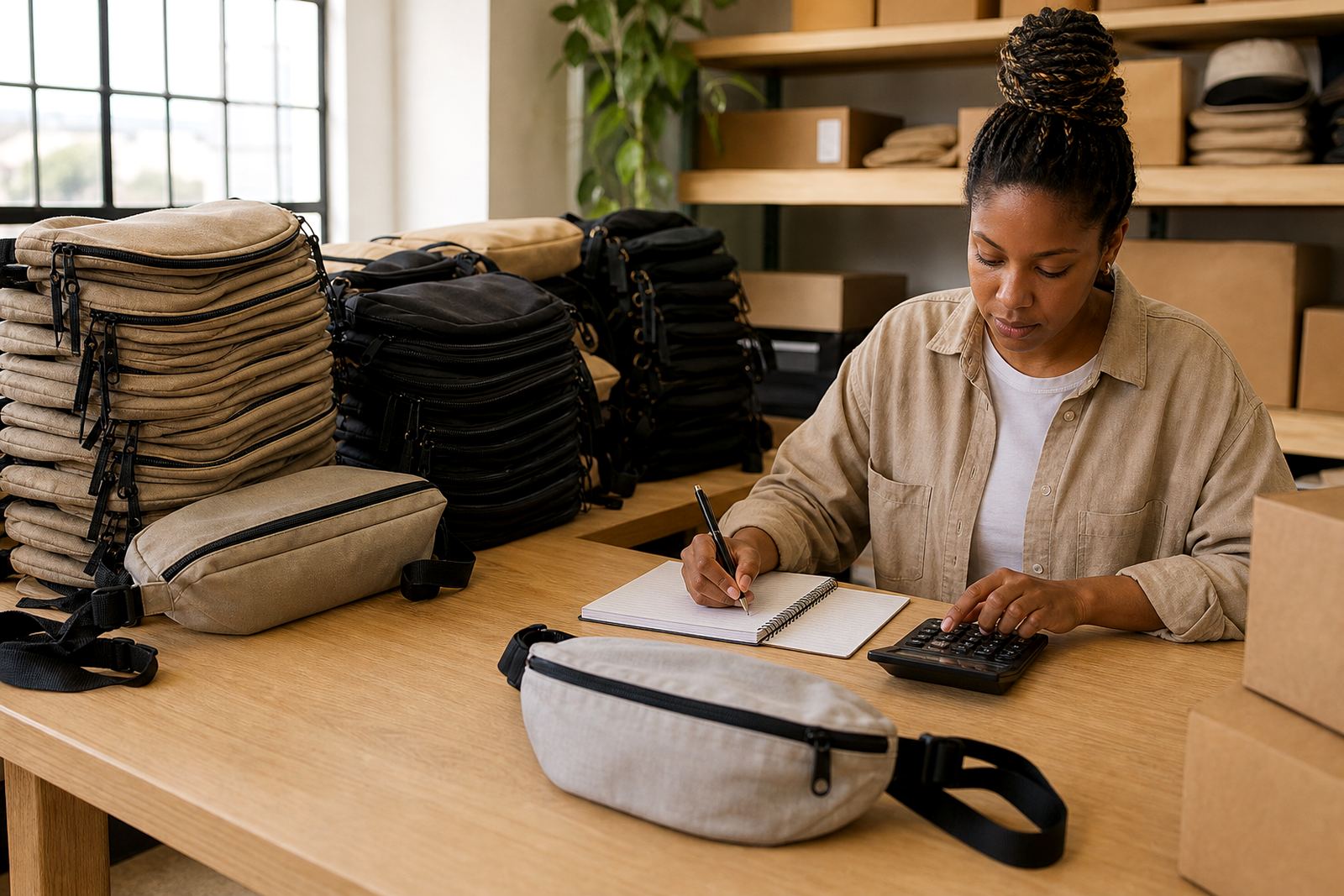
Quantity planning is not only about the bag count. It also affects packing labour, carton counts and delivery timing. A 100 unit order may be simple, while a 1 000 unit order may need staged packing, label checks and careful dispatch planning. If the order goes to several offices, ask whether the split should follow headcount, department size or event schedule.
Load-shedding can also slow down packing and production schedules, so allow time for checks and final counts before the collection or courier cut-off. If your event is in a municipal venue or a building with delivery restrictions, confirm access times early. Some sites only accept goods during set hours and may refuse pallets or loose cartons outside that window.
- Confirm packing area access and delivery times
- Check if the venue accepts split cartons or only sealed boxes
- Build in time for quality checks before dispatch
- Label boxes clearly for each branch or event area
Checklist before you approve the final numbers
Use this checklist before you submit the enquiry form or approve artwork. It helps prevent over-ordering, under-ordering and last minute confusion between teams. The more moving parts there are, the more important it is to finalise the numbers in writing.
- Confirmed attendance count
- Staff, VIP and speaker allocations
- Buffer quantity agreed
- Delivery locations confirmed
- Packing method and box count checked
- Artwork and branding method approved
- Time for replacements or last minute additions allowed for
If you are still unsure, start with the event total and then divide the order by group. A careful count now is easier than trying to source more units after the event has started. For most South African campaigns, a well planned quantity keeps costs controlled and the brand presentation tidy from the first handover to the last.