
Start With the Event Purpose and the Bag Size
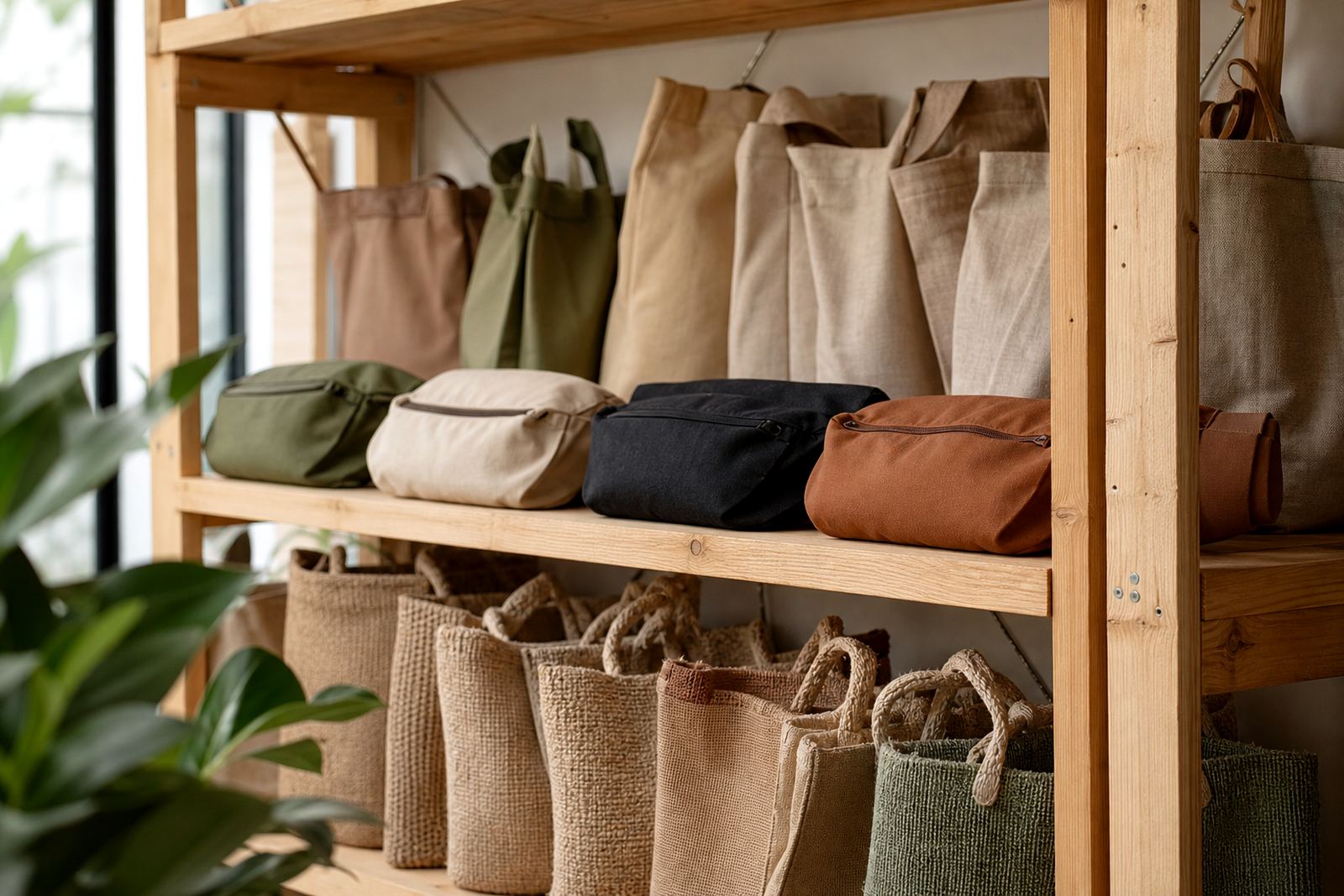
Before you pack a single item, decide what the bag must do at the event. A welcome pack for a conference in Cape Town will not need the same contents as a field activation in Durban, and the weather, venue rules and travel distance all matter. Start with the bag size and make sure the contents match it. Overfilled bags look untidy and strain seams, while bags that are half empty can make the pack feel thin and unfinished.
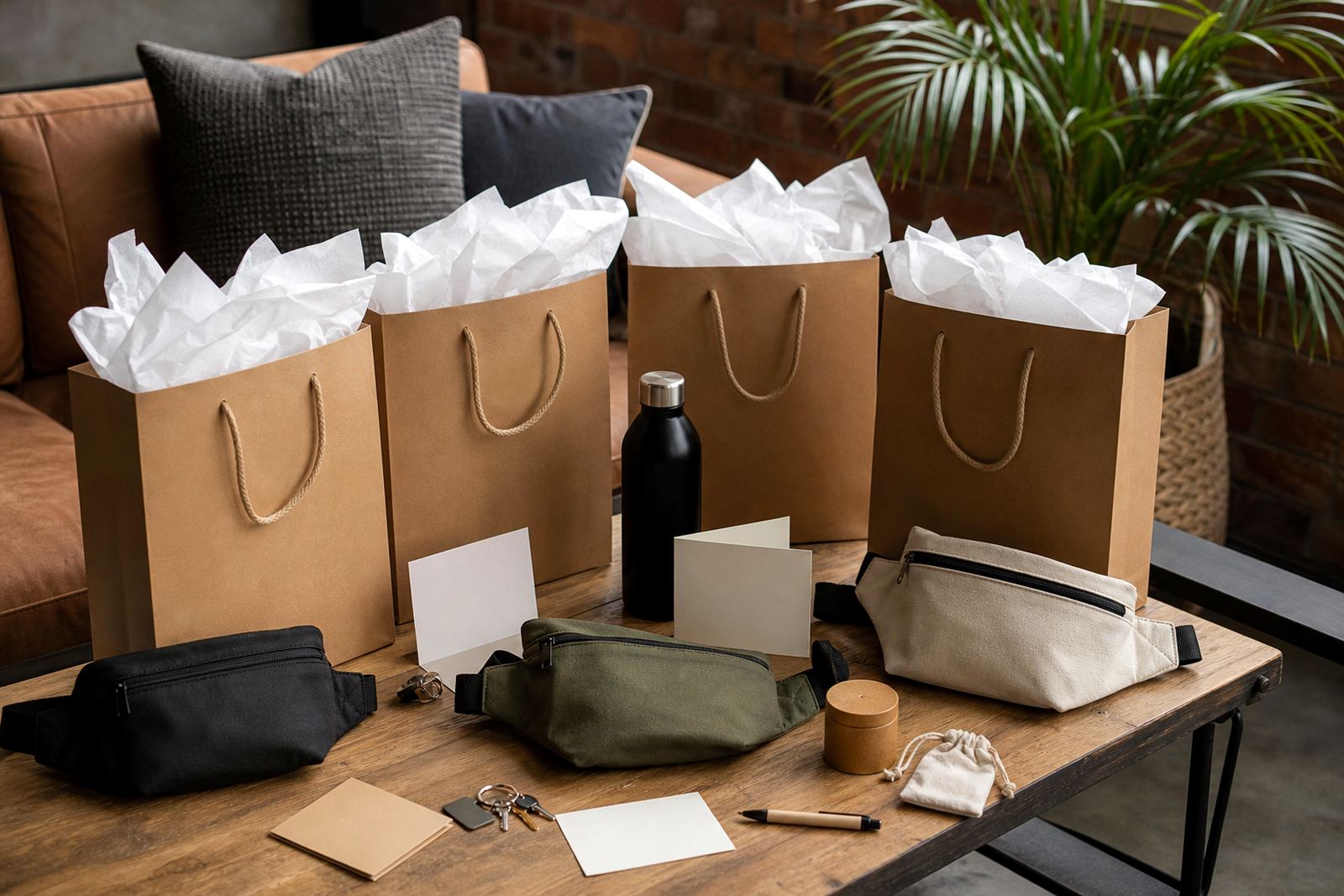
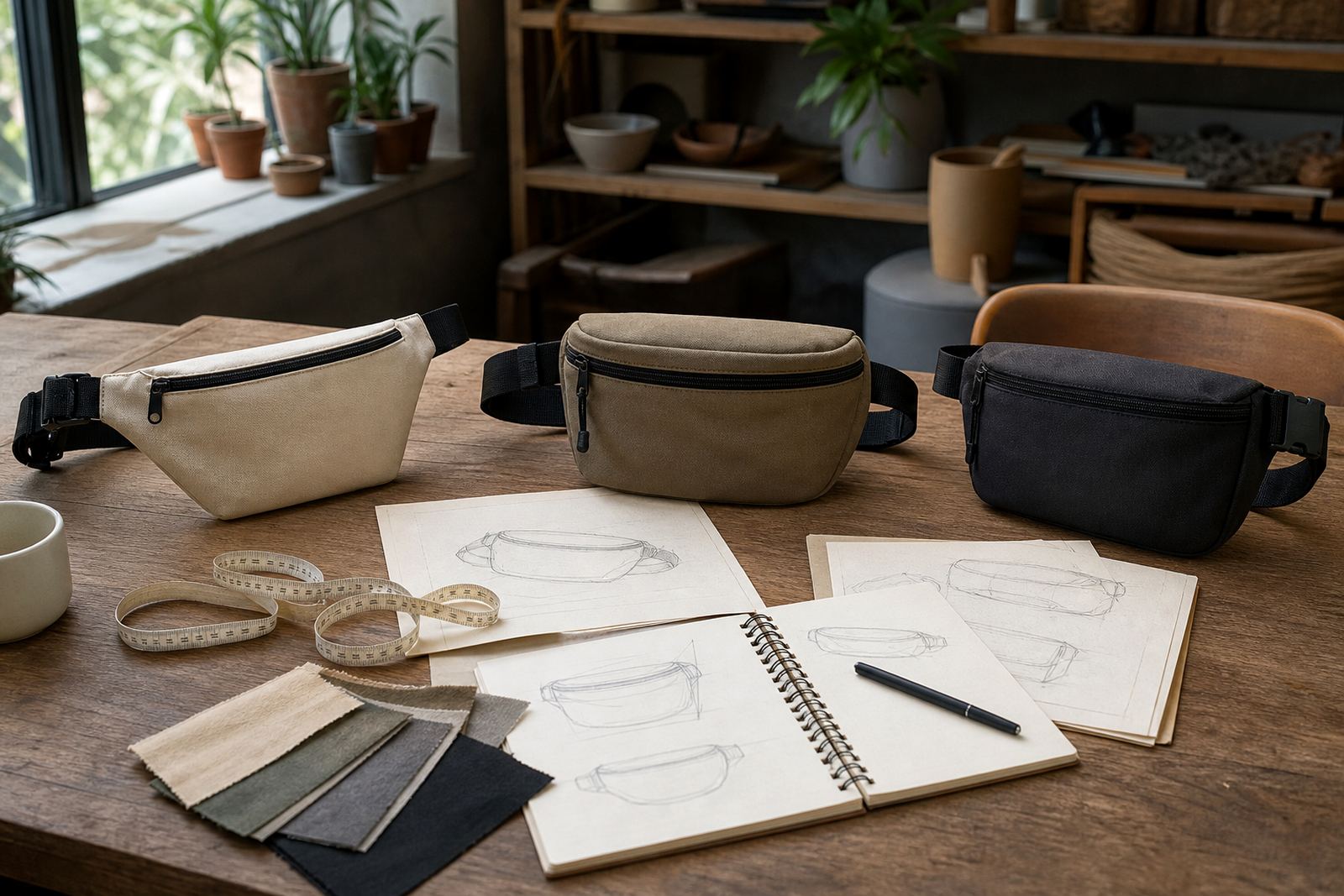
For most corporate events, a practical mix is one main item, one or two support items and printed material kept to a minimum. If you are adding a water bottle, notebook, t shirt or product sample, check the dimensions first. A slim belt bag works best for light items and personal effects, while a larger promotional bag can handle brochures, gifts and packaged handouts. If the bag will be carried through an all day event, keep the total weight manageable so guests do not leave it behind before the programme ends.
Build the Pack Around the Heaviest Item First
Place the heaviest or most rigid item at the bottom or against the back panel, depending on the bag style. This keeps the pack stable and helps it sit better when carried. Soft items can then fill the gaps around it. If you are packing multiple items with sharp edges, protect the printed surface with tissue, sleeves or folded card so nothing rubs through during transport.
A simple order works well for most teams:
- Base layer: brochures, flyers or folded inserts
- Middle layer: notebooks, samples, gifts or folded apparel
- Top layer: fragile items, small accessories or anything guests must see first
- Outer finish: a tidy insert card or welcome note if required
Keep like items together and avoid loose pieces rattling around. If a product has liquids, powders or anything that could mark fabric, seal it properly and add a secondary bag where needed. It sounds basic, but one split item can ruin a whole batch.
Choose Content That Adds Value, Not Clutter
A good event bag gives guests something they will keep or use. Too many items become clutter, especially when people are moving between sessions, taxis or airport transfers. Focus on content that is relevant to the event and useful after the day ends. For corporate teams, that often means a mix of practical and brand led items rather than bulk printed material that gets left on the chair.
Ask three questions before approving the final contents: Will this item be used? Will it survive transport? Does it reflect the tone of the event? If the answer is no to any of those, leave it out. For South African events, also think about local conditions. At outdoor venues in Johannesburg or Pretoria, sun exposure and dust can affect packaging. In coastal areas like Gqeberha and Durban, humidity can soften paper inserts, so print stock and packaging choice should be checked before packing starts.
- Keep messaging short and clear
- Use fewer, better items rather than many low value items
- Match the contents to the audience, not only the budget
- Check if any item needs to be handed out separately for safety or size
Protect the Print, the Contents and the Handlers
Once the mix is chosen, think about handling. Packs often move from production to storage, then into vehicles and through venue staff hands before they reach guests. That means the inside of the bag must stay clean, dry and easy to stack. Use inner wraps where needed, especially for products with powdery coatings, oils or rough surfaces. If you are working with fabric bags, make sure all items are fully dry before packing. Moisture trapped inside can cause marking or odour by the time the bags are opened.
For bulk packing, label each batch clearly by event, quantity and delivery point. This matters when split delivery is needed between Cape Town, Johannesburg and Pretoria, or when one part of the order must go to a hotel and the rest to a conference centre. Keep cartons sealed until dispatch and store them off the floor. In warehouses and garages, especially in summer, heat can build up fast and distort packaging. A clean, organised pack line saves time and cuts mistakes.
Set Up a Packing Line That Works Under Pressure
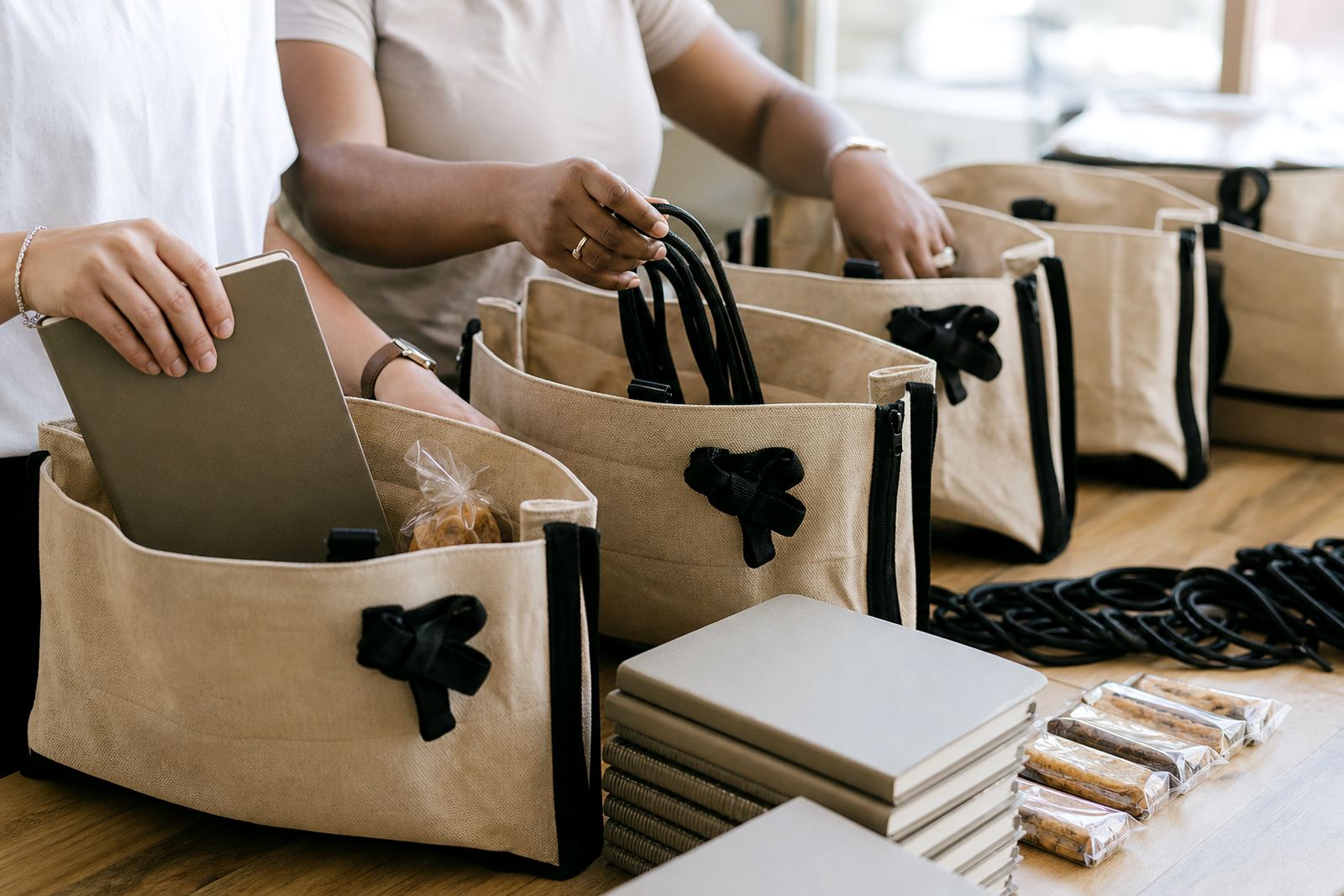
If you are packing a few dozen bags, a kitchen table might do. For larger corporate orders, set up a proper line with clear stations for counting, folding, inserting and checking. This helps when you are working to a rush deadline or need to finish before load-shedding starts. A good packing line does not need fancy equipment, just order and consistency.
Use the same sequence for every bag so the end result looks the same across the full order. One person should count, one should pack and one should do a final quality check. If the event is large, assign one person to spot damaged packaging or missing inserts. Keep scissors, tape, gloves and spare cartons close by. When the team has to stop and start, small errors creep in, so a clear system saves time.
- Count stock before packing begins
- Keep one sample bag open for reference
- Check colour, size and print placement on every batch
- Seal cartons only after the final count is confirmed
Do a Final Check Before the Bags Leave Montague Gardens
The last step is the one that prevents complaints. Check the finished bags for weight, presentation, print quality and content accuracy. Make sure zips close, seams hold and nothing is poking through the lining. If the bag includes event literature, check that the latest version is inside and not an old draft. It happens more often than people think, and it is easy to miss when you are packing in a hurry.
Before dispatch, confirm the count against the delivery note and separate any extras for replacement stock. For events with staggered arrivals, pack a few emergency units aside for late changes or damaged bags on site. If the venue has municipal or building rules about deliveries, make sure the cartons are marked clearly so security and event staff can move them quickly. A neat, checked bag sends the right message before the guest even opens it.
A Simple Packing Checklist for Event Teams
Use this checklist before the first bag is sealed. It keeps the process practical and reduces rework, especially when several people are packing at once or when the order is going to more than one city. Keep one printed copy at the packing table and one with the dispatch team.
- Bag size confirmed against the contents
- Items counted and matched to the order
- Fragile or liquid items sealed and protected
- Print details checked for accuracy
- Packs sorted by delivery point or event zone
- Cartons labelled and sealed after final count
- Spare units set aside for last minute needs
When the packing is done well, the bag feels considered, tidy and ready for use. That is what guests notice first. It is a small detail, but it carries the brand into the room and home again after the event.