
Compact carry is winning at conferences and activations
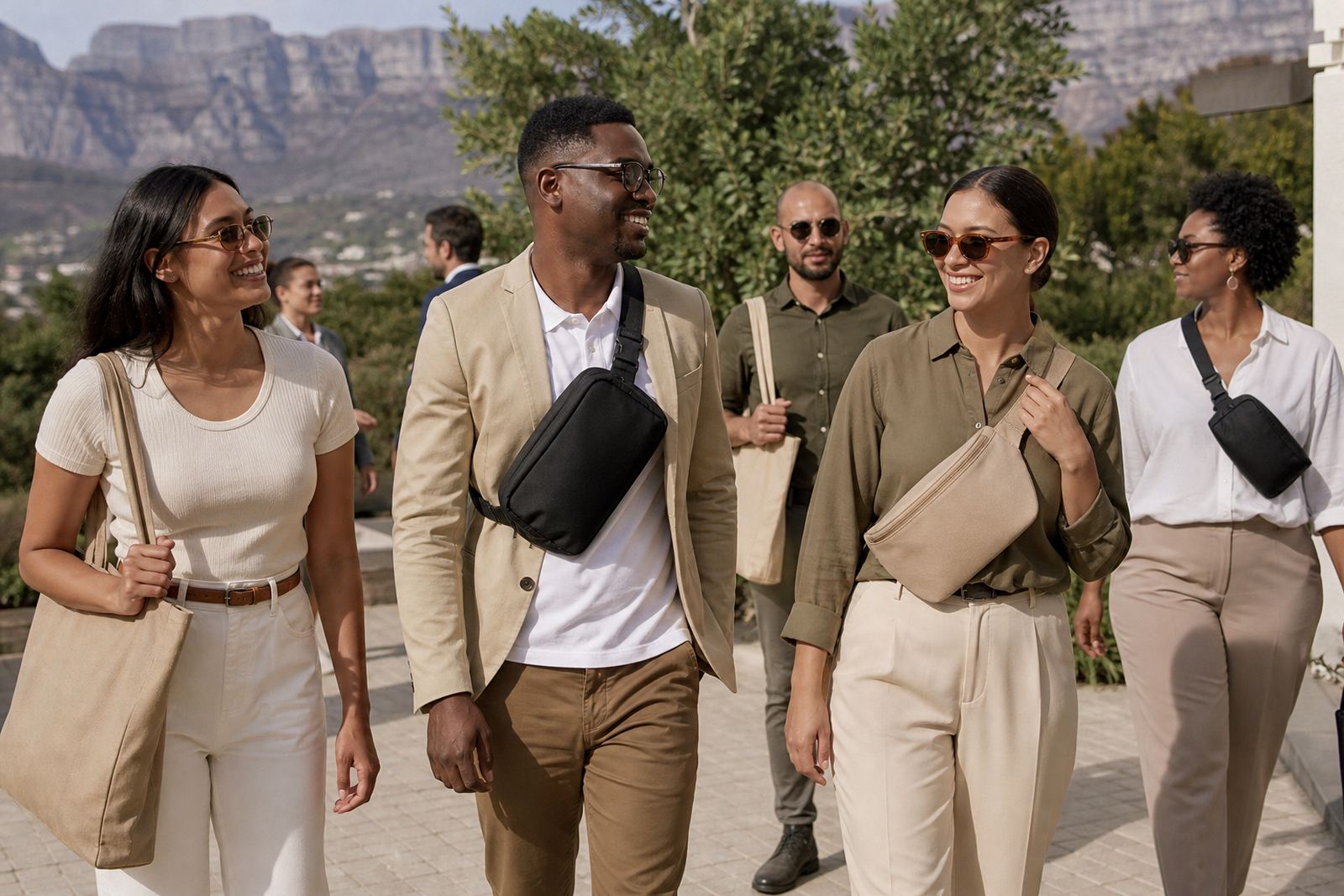
In South African event spaces, people want bags that stay out of the way. At conferences in Sandton, trade shows in Cape Town and corporate launches in Durban, a compact belt bag is often more useful than a larger giveaway bag because it keeps essentials close without slowing anyone down. Guests can keep a phone, access card, lip balm, charger cable and a small notebook on hand, which matters when they are moving between sessions or standing in registration queues.
For corporate buyers, the trend is not only about size. It is also about making sure the bag feels easy to wear for a full day. Adjustable straps, secure zips and a shape that sits flat against the body are now preferred over bulky formats that swing around during crowd movement. In our experience, the better the fit, the more likely the bag is to be used after the event.
Branding that reads cleanly from a distance
Event organisers are leaning toward clear branding rather than overworked layouts. A simple logo placement, strong contrast and one or two brand colours usually hold up better than a crowded print. On a busy floor in Pretoria or at an outdoor client day in Gqeberha, the bag needs to be recognisable quickly, even from a few metres away.
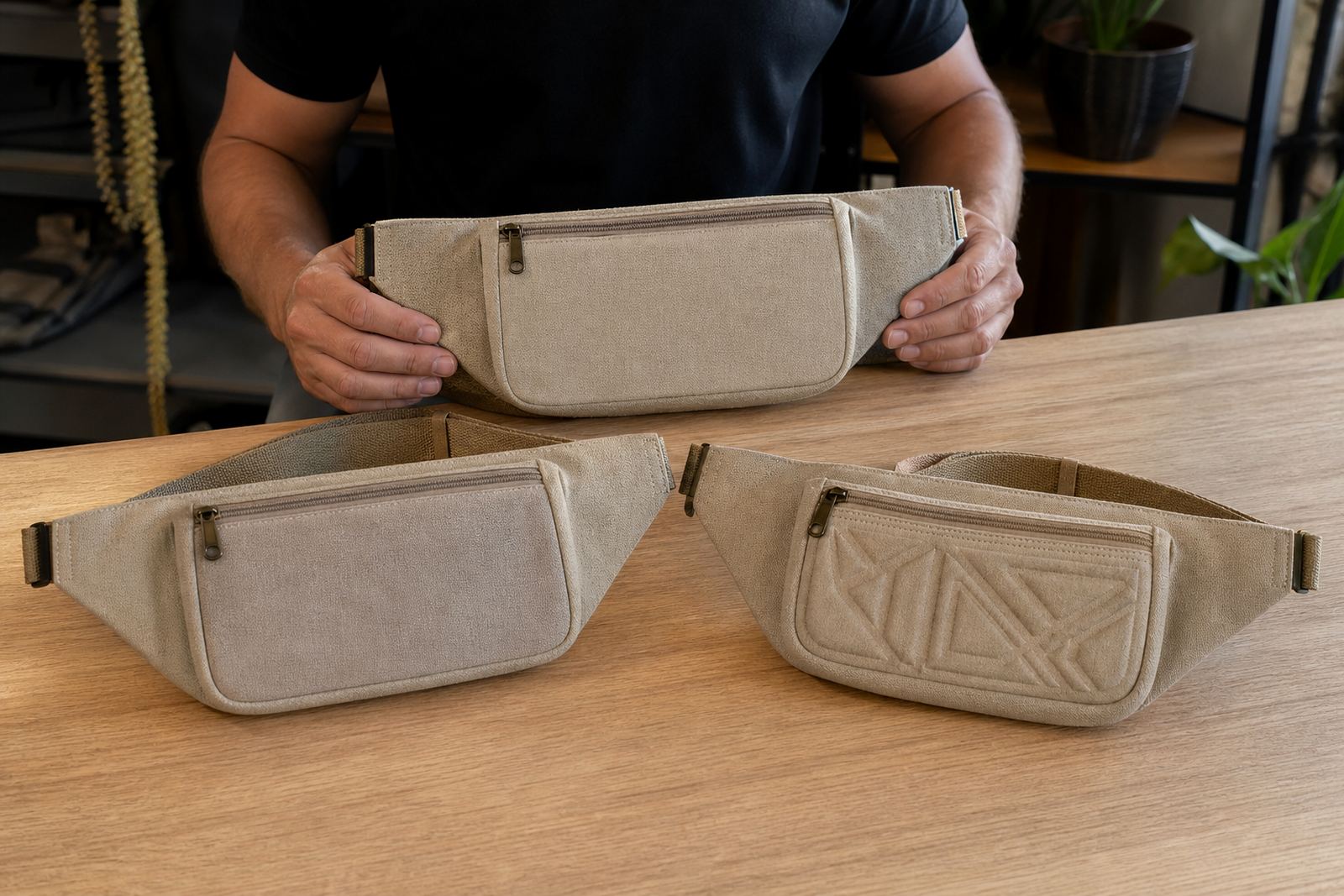
We are seeing more interest in branding methods that suit the bag material and the expected wear. Screen printing is practical for larger quantities, heat transfer works well for detailed artwork, embroidery gives a neat finish on fabric styles, and debossing suits some textured materials. The right choice depends on how the bag will be used, whether it must handle dust, and how much handling it will get during pack-out and transport.
- Keep logos bold and uncluttered for better visibility in photos.
- Use fewer colours if the bag will be produced in bulk and turned around quickly.
- Check how the branding looks on dark and light base colours before approving.
- Ask for a sample if the bag will be used at a high-profile event.
Materials are chosen for weather, travel and repeated use
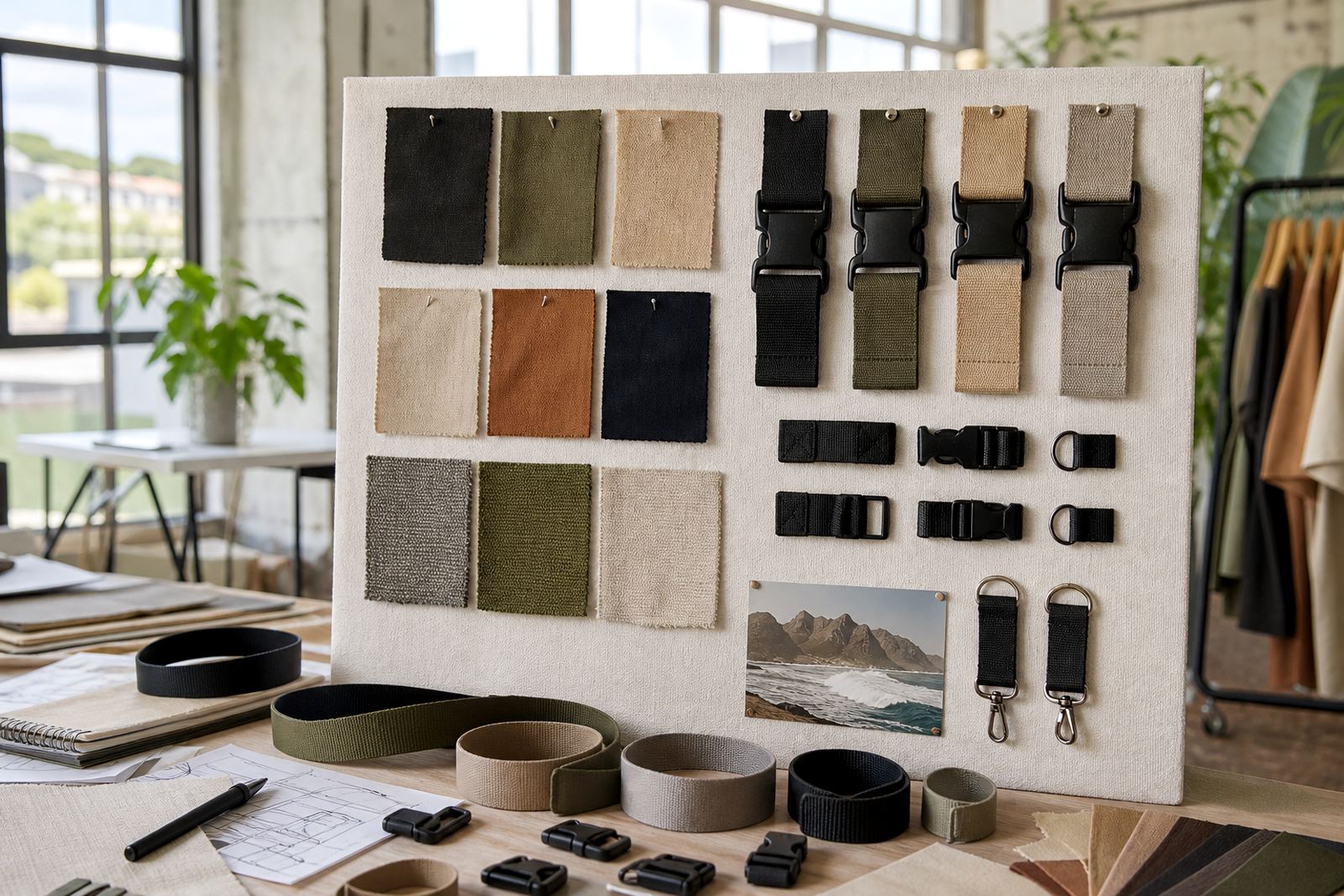
South African conditions matter. A bag that works in an air-conditioned conference hall may not suit a summer roadshow in Durban or a logistics team moving between venues in the Western Cape. Buyers are asking more questions about fabric weight, zip strength and moisture resistance because they want something that lasts beyond the event day.
Coastal humidity can affect stored stock, so dry packing and quality checks matter. In Johannesburg, where many events happen during the dry winter months, dust and frequent vehicle loading can be the bigger issue. That is why many clients now ask for bags with wipeable finishes, reinforced stitching and inner sections that help keep items tidy. It is a small detail but it makes a difference when staff are carrying the bag daily.
- Choose easy-clean surfaces for outdoor activations and road travel.
- Ask about stitch reinforcement near the strap points and zip ends.
- Confirm the bag can hold the intended load, not just light giveaway items.
Functional packing is now part of the brief
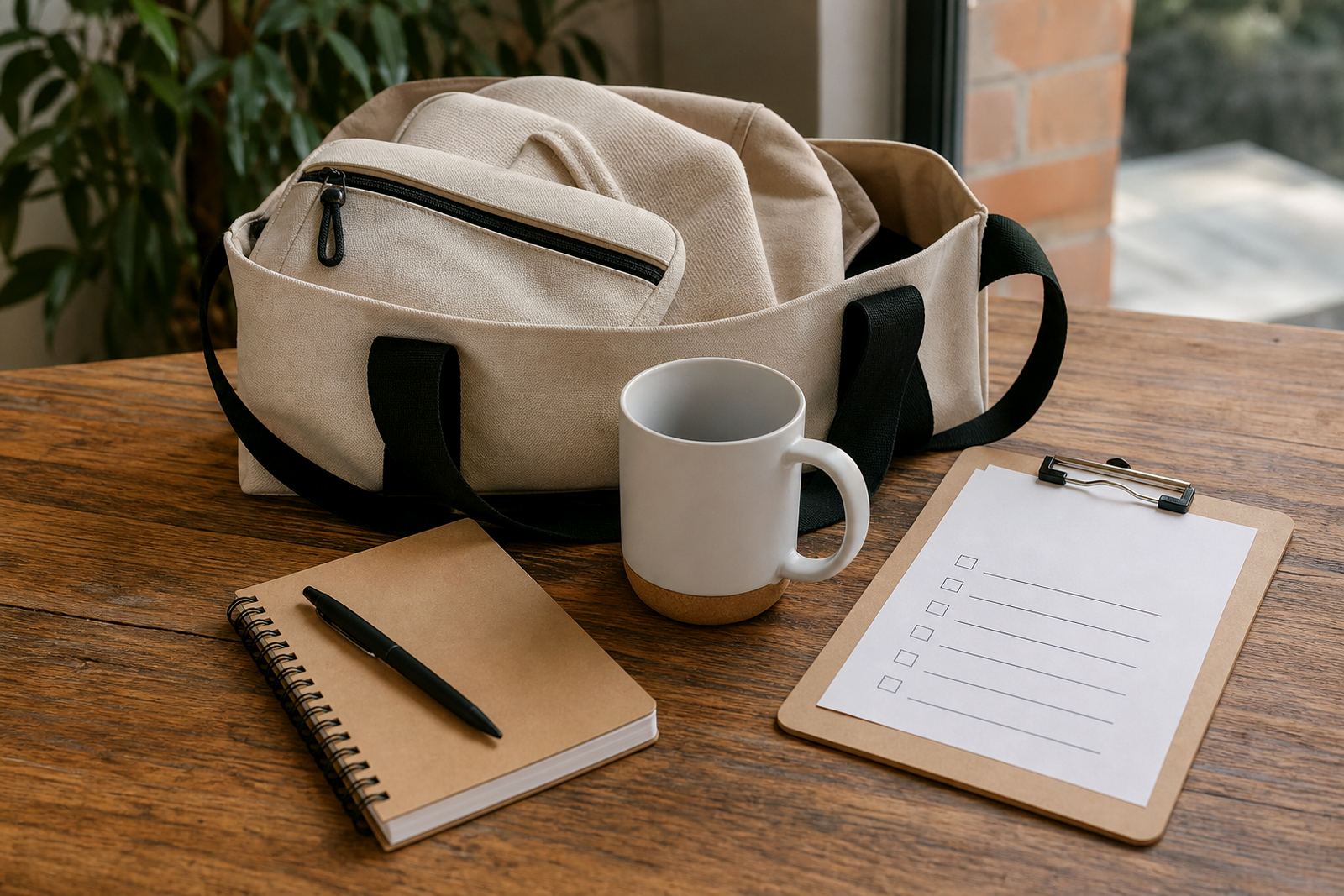
The strongest trend is not a style detail, it is function. More buyers want promotional bags that support event logistics as much as brand visibility. This includes split delivery for different branches, bulk packing by department and event kitting so each attendee receives the same contents in one neat pack. It saves time at registration tables and reduces the chance of missing items.
For a product launch in Cape Town, for example, a client may need branded belt bags packed with an itinerary card, sample voucher and a small handout. For a sales conference in Gauteng, another team may need the same bag with different inserts for regional groups. When the packing is done properly, staff can hand out a complete kit in seconds instead of sorting items on the spot. That is a practical win during load shedding schedules or tight venue access times.
Rush orders are also becoming more common, especially when event dates shift or attendance changes late. In those cases, clear artwork setup and quality checks are essential so the final bags still arrive on time and with the branding in order.
What corporate buyers are asking for this year
The current buying pattern shows that companies want a bag that feels useful, neat and easy to issue across a team. They are less interested in novelty alone, and more interested in something that staff will actually carry. This is especially true for HR teams, event managers and field sales groups who need a practical item for daily use after the event is over.
Across Cape Town, Johannesburg, Pretoria, Durban and Gqeberha, the most common requests now include smaller formats, neutral colourways and reliable branding placement. Teams also want a process that is simple to manage from first artwork to final dispatch. That means product sampling, proofing, packing and delivery all need to be handled with care, not as separate last-minute tasks.
- Small format bags are popular for conferences and welcome packs.
- Neutral colours suit mixed audiences and work well with most logos.
- Clients often want enough stock for both event day and post-event use.
- Clear sample approval helps avoid surprises on colour or print placement.
A local example from a Cape Town event
One recent Cape Town-style brief we often see is a company hosting a two-day client session in the city bowl, with delegates arriving from branches in Bellville, Somerset West and beyond. The team wants a compact bag that can hold a card wallet, phone, room key and a few printed items, while still looking smart enough for a corporate setting. They also need the bags split by department and delivered in time for morning registration.
In that kind of job, the bag choice is only part of the answer. The print must be correct, the quantity needs to match the attendance list, and the packing has to line up with the schedule. If one group is getting a different handout set, the bags must be separated clearly. That is where quality control and dispatch planning matter just as much as the branding itself.
For companies planning events in the Western Cape, this kind of preparation keeps the process under control. It also avoids the common problem of handing out bags that look good but do not suit the way people actually move through the day.
How to choose a bag that still works after the event
The best promotional bag is the one that continues to be used. That means choosing a size that fits daily life, branding that does not wear off too quickly, and a finish that suits local conditions. If the bag will be used by staff in the field, it needs to cope with car travel, office counters, venue check-ins and the odd sudden rain shower. If it is for clients, it should feel neat enough to keep in regular use.
When you look at event bag trends through that practical lens, the answer becomes clearer: make it easy to carry, easy to read and easy to pack. That approach gives the brand more mileage and the recipient something they will actually keep. In real terms, that is what makes a promotional bag worth the spend.