Why the branding method matters before you place an order
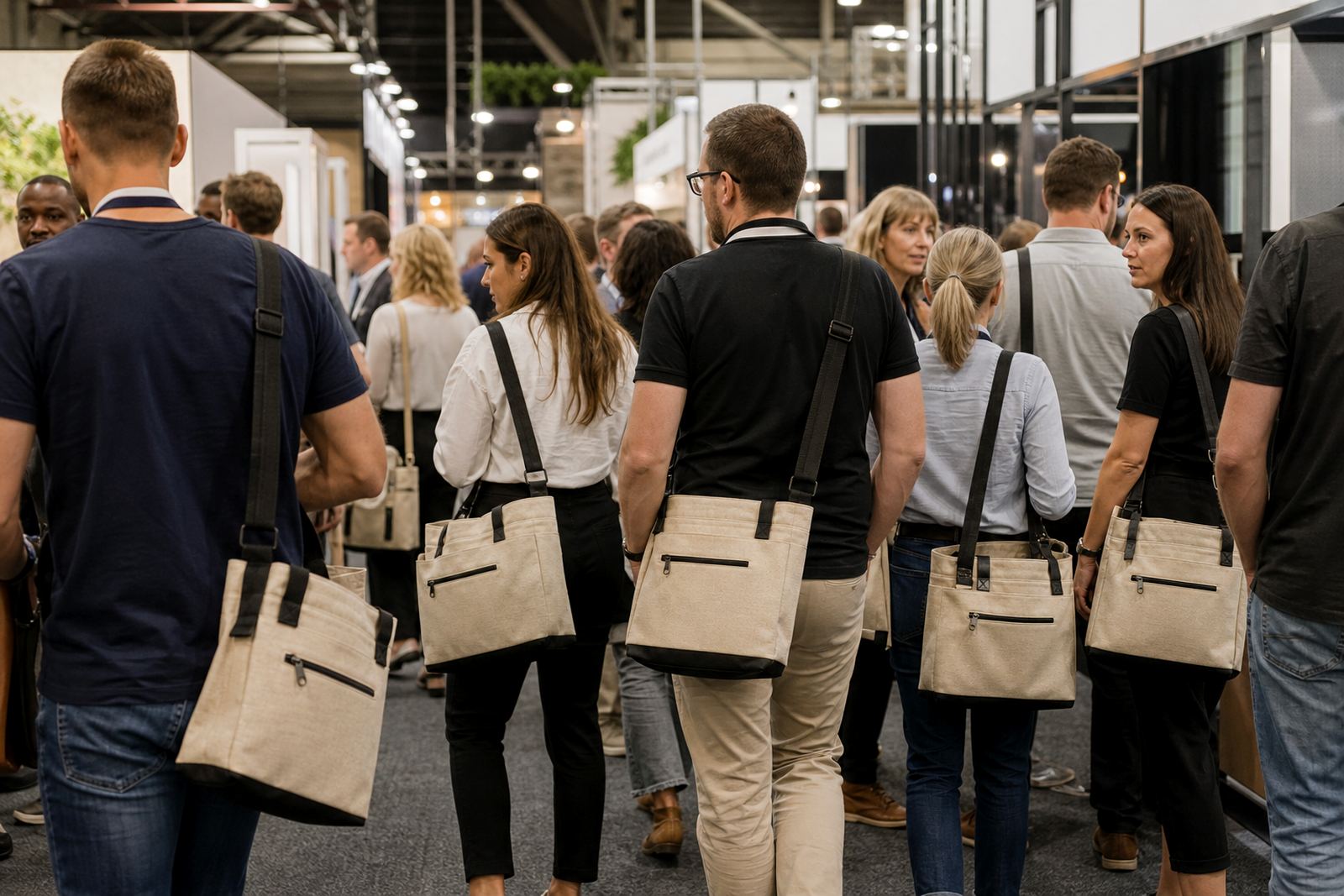
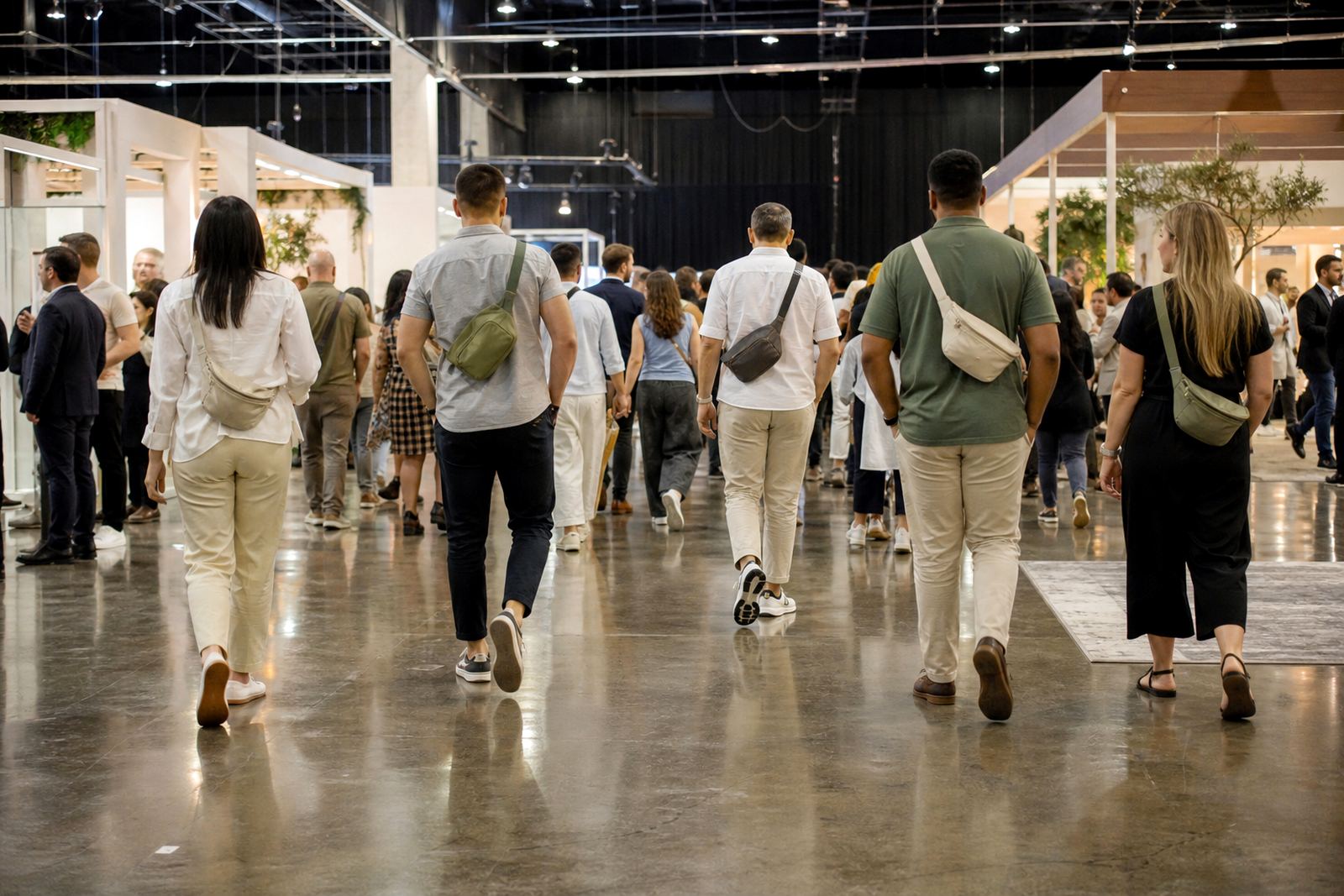
A belt bag or promotional bag is often handled more than once at an event. It gets packed, worn, carried through airports, and used again at meetings or trade shows, so the branding has to stay legible and tidy after regular use. The right method also needs to suit the fabric, the colour of the bag, and the number of units you need.
For corporate events in Cape Town, Johannesburg or Durban, the brief is usually practical: the logo must be clear, the turnaround must be manageable, and the finish should match the brand standard. A small stitch count can work well on premium items, while a bold printed logo may suit a larger run for a roadshow or conference. It is worth considering how the bag will be used in real life, not just how it looks on approval.
- Choose a method that suits the material, whether polyester, canvas or coated fabric.
- Match the finish to the event, from a simple giveaway to a client gift.
- Check how the branding holds up after handling, packing and transport.
Screen printing for bold logos and larger runs
Screen printing is a reliable choice when the logo uses solid blocks of colour and the order is fairly large. It works well on many promotional bags because it gives a strong, even result with good colour coverage. This method is often selected for simple artwork, event names, and campaign messaging that needs to be read from a distance.
It suits organisations that want consistent branding across a batch of bags, especially for conferences, staff packs, or conference packs with more than one item inside. On dark bags, a light print can stand out well, while on pale bags a deeper brand colour may give better contrast. The artwork needs to be prepared correctly, so clean vector files help keep lines sharp. For best results, keep the design uncluttered and avoid tiny text that can fill in or blur.
It is also one of the more practical choices for repeat orders, since the setup pays off when the same design is used again. If you need split delivery across offices in Cape Town and Pretoria, screen printed bags keep the branding uniform from one branch to another.
Embroidery for a more permanent, premium finish
Embroidery is commonly used when a client wants a more textured and professional finish. Instead of printing on top of the material, the logo is stitched into the bag. This gives the branding a raised feel and can work very well on thicker fabrics and selected belt bags. It is often chosen for executive gifts, client welcome packs, and staff bags that need to look smart over time.
Embroidery is strong in humid coastal conditions because it does not rely on surface ink in the same way some print methods do. That said, the artwork must be simplified. Very fine lines, small lettering and thin borders can be lost in the stitching, so a clean logo usually performs better than a detailed one. In some cases, a bold monogram or shortened brand mark is the better call.
For a company based in Gqeberha or Durban, embroidery can be a good fit where the bag will be used again and again. It also works well when the aim is a more tactile finish that feels considered without being flashy.
- Best for thicker fabrics and a more polished appearance.
- Works well with simplified logos and short text.
- Good for repeat use and premium handouts.
Heat transfer for detail, colour and smaller quantities
Heat transfer is useful when the artwork has more detail, gradients or several colours. The design is first prepared separately and then applied with heat and pressure, which allows for sharper detail than some other methods. This can be a practical option when the branding includes fine lines, shaded areas or a full-colour logo that needs to be shown accurately.
It is also handy for smaller quantities or when you need a faster response for a last-minute event. If a business in Sandton or Bellville wants a limited run for a launch, heat transfer may help keep the brand look consistent without committing to a very large batch. The finish can be neat and modern, though it is important to match it to the bag type and expected use.
For heavy, repeated handling, it is still wise to ask how the print will wear over time. A bag that lives in a conference tote for months may need a different approach to one handed out at a one-day expo. Moisture, folding and friction can affect any branded surface, so the bag and method should be chosen together.
Debossing for a subtle mark that feels understated
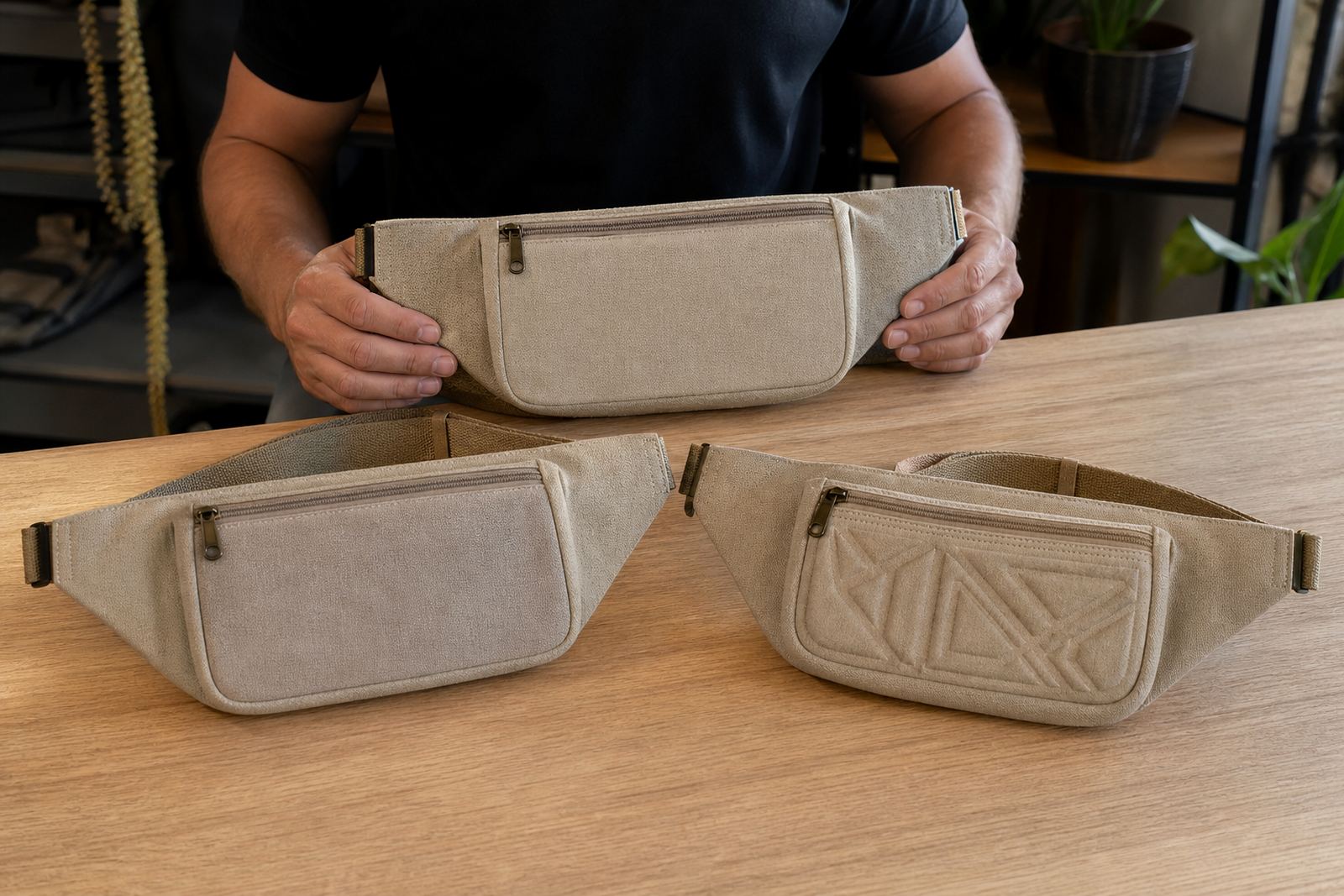
Debossing presses the design into the material rather than adding ink or stitching. It creates a low-profile mark that works especially well on certain faux leather or coated finishes. This method is often chosen when the client wants something understated, practical and easy to pair with other branded items in the same pack.
The result is usually more muted than print or embroidery, which can be useful when the bag itself should remain the focus. It is a good option for high-end event gifting, boardroom packs, or items that must look professional without a loud logo. Debossing does need suitable material thickness and a carefully prepared artwork file. Very small text may not carry well, so the design should be simple and confident.
If the bags are being distributed across multiple cities, from Cape Town to Johannesburg, debossing can keep the look consistent while avoiding colour matching issues. It is especially useful when the brand palette is busy and a cleaner finish is preferred.
Artwork setup and sampling keep the final result honest
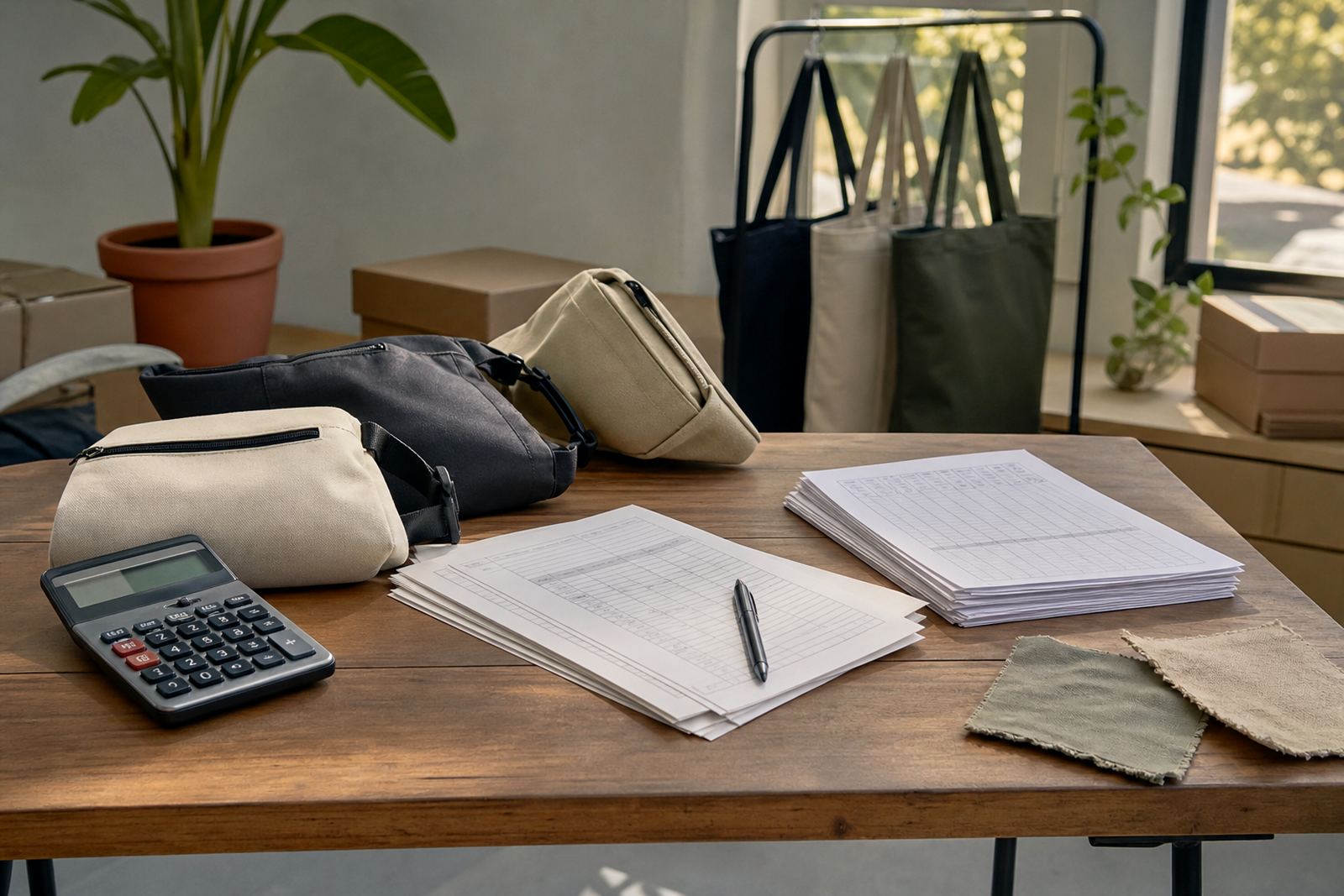
Whatever branding method you choose, good artwork setup saves time and avoids mistakes. The logo needs to be checked for legibility, spacing and colour balance before production begins. A simple file may be enough for one method, while another may need redraws or adjustments so the artwork works on the actual bag size.
Sampling is also worth the effort when you are ordering for an important event. Seeing the branding on a real bag helps you judge the size, placement and finish before the full run goes ahead. This matters where the item will be photographed, carried by staff, or packed into event kits. A sample can show if the logo sits too low, if the contrast is weak, or if the branding should be reduced slightly.
- Check logo size against the bag panels and seams.
- Confirm colours against the actual bag material, not only the screen image.
- Approve placement before a bulk order is packed or dispatched.
Choosing the right method for South African event conditions
South African events are not all the same. A Cape Town summit may call for a smart, compact item that handles wind and travel, while a Durban activation may need materials that cope with humidity and frequent use. Johannesburg events often need quick turnaround and split delivery, while Pretoria clients may prioritise a tidy corporate finish for staff and visitor packs.
A practical choice starts with the bag itself, then the branding method, then the delivery plan. If you need bulk packing for a multi-site campaign, the method should support the deadline without cutting corners. For rush orders, the team must balance production time with quality checks so the final bags leave the studio looking neat and ready for handing out.
In Montague Gardens, where many corporate orders move through warehouses and event schedules change quickly, a straightforward conversation about use, quantity and finish usually gives the best outcome. The right branding method is not the fanciest one. It is the one that fits the bag, the event, and the way your brand will be seen after the handout has ended. That is the point where a good promotional bag starts doing real work.