
Start with who will carry it, not what looks busy
Different event groups carry different loads and use bags in different ways. A delegate at a conference in Cape Town may need only a notebook, charger and water bottle, while a field team in Johannesburg might need room for samples, forms and a lunch pack. If you choose the bag around the person, the result feels useful instead of forced.
Think about where the bag will be used too. A light belt bag suits a hosted guest moving between sessions, while a larger promotional bag works better for a trade show team or staff on an outing. Coastal humidity in Durban means finishes must cope with moisture, while in Pretoria or Bloemfontein you may want a bag that handles dust and daily car travel.
Delegates need neat, compact and easy-to-carry options
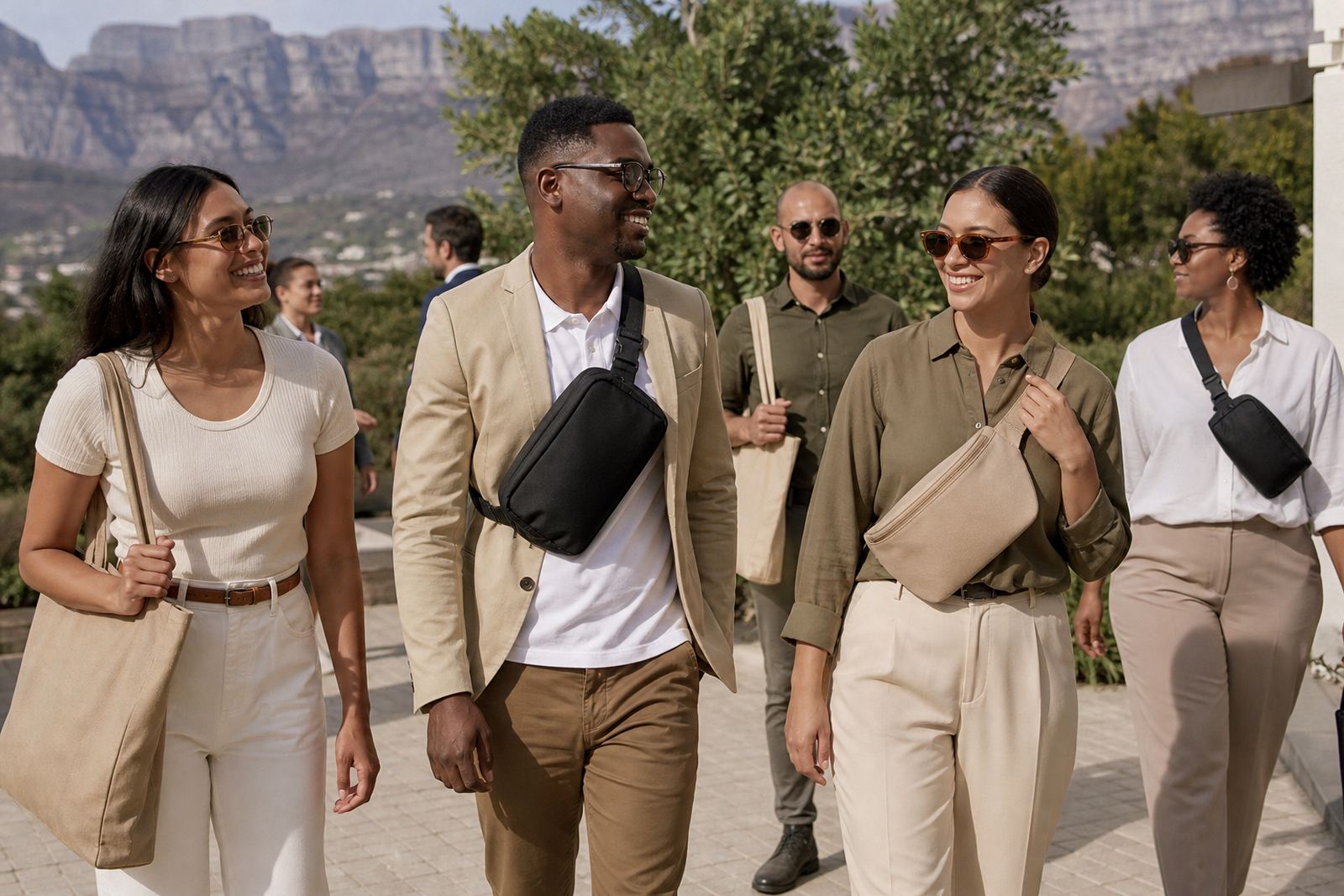
Conference delegates usually want something they can keep close without carrying extra bulk. Belt bags are a good fit for lanyards, phones, cards and small handouts. If the event includes walking between venues or long registration queues, a compact bag keeps hands free and cuts down on items being left behind.
- Choose a slim profile for seated events and breakout sessions
- Use a zip closure so cards and phones do not fall out
- Keep branding clear but not oversized, especially for executive audiences
- Allow enough room for a phone, wallet, pen and small booklet
For delegate packs, the bag itself can become part of the pack. A printed or embroidered belt bag often feels more considered than a loose bundle of items, and it is easier to carry through airports, hotels and taxi ranks. That matters when guests are travelling from Durban to Cape Town or arriving from local towns by bus or shuttle.
Staff bags should work on the job, not only at the event
Staff members often need tougher construction and more practical packing than guests. They may carry radios, charge cables, sanitiser, forms, ID cards and sometimes cash tins or stock counts. For this group, the bag must hold its shape and stay comfortable through a full shift, even when load-shedding means extra power banks and torches are part of the kit.
Embroidery or debossing is usually a good fit for staff items because it gives a tidy finish that stands up well to repeated handling. Screen printing and heat transfer work for bold graphics or short run campaigns, but the best finish depends on the fabric and how often the bag will be used. If the bags are for retail floor staff, event marshals or promo teams, quality checks matter because one weak zip can create a mess on site.
- Ask whether the bag must carry tools, personal items or both
- Consider padded sections for delicate equipment
- Choose strong zips and stitching for daily use
- Match the bag colour to uniforms or company dress code
Students and trainees need light weight and enough space
When the audience is students, interns or training groups, the bag should be easy to wear for a full day and large enough for notes, pens and a phone. If the bag is too small it gets ignored, if it is too bulky it becomes a nuisance. A balanced size is usually best, especially for campus events, workshops and learner programmes.
Clear branding works well here because students often move between lecture rooms, transport and home. A strong logo helps the bag stay visible on campus without feeling overdone. For schools, colleges and learnerships, split delivery can also help when one group is based in Cape Town and another in Gauteng, or when an employer needs packs sent to different sites the same week.
- Pick lighter materials for all-day wear
- Allow space for a slim book, pen pouch and snacks
- Use colours that suit younger audiences but still read well in print
- Plan for easy stacking and bulk packing when quantities are high
Hosted guests want the bag to feel like part of the welcome
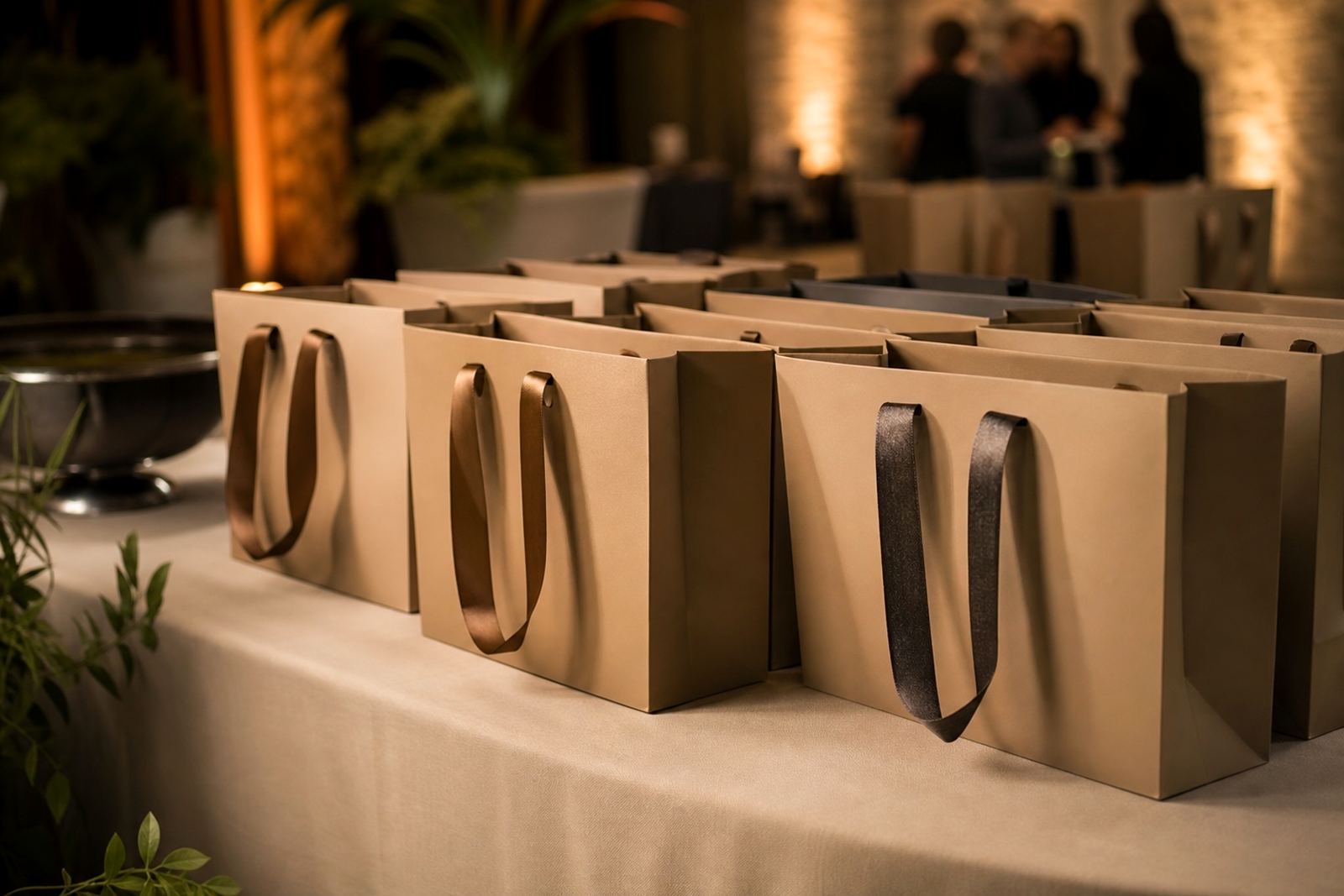
Hosted guests at launches, partner functions or VIP programmes notice detail. The bag should feel neat, purposeful and worth keeping after the event. A smaller, cleaner design often works better than a crowded print because the bag may be used again at meetings, weekend markets or school runs.
If the event is in a hotel or conference centre, think about how the bag will be handed over. Event kitting can make a difference here because each bag can be packed with the right inserts, vouchers or name cards before arrival. That saves time on the day and gives a more polished first impression, especially when guests arrive in waves and the venue team is managing other setups at the same time.
Choose finishes that suit the message and the budget
The same audience can call for very different finishes depending on the message. A charity run may need cost-effective screen printing for large numbers, while a corporate reward event may suit embroidery or debossing for a more refined look. What matters is that the finish matches the occasion and the bag will hold up to how it is used.
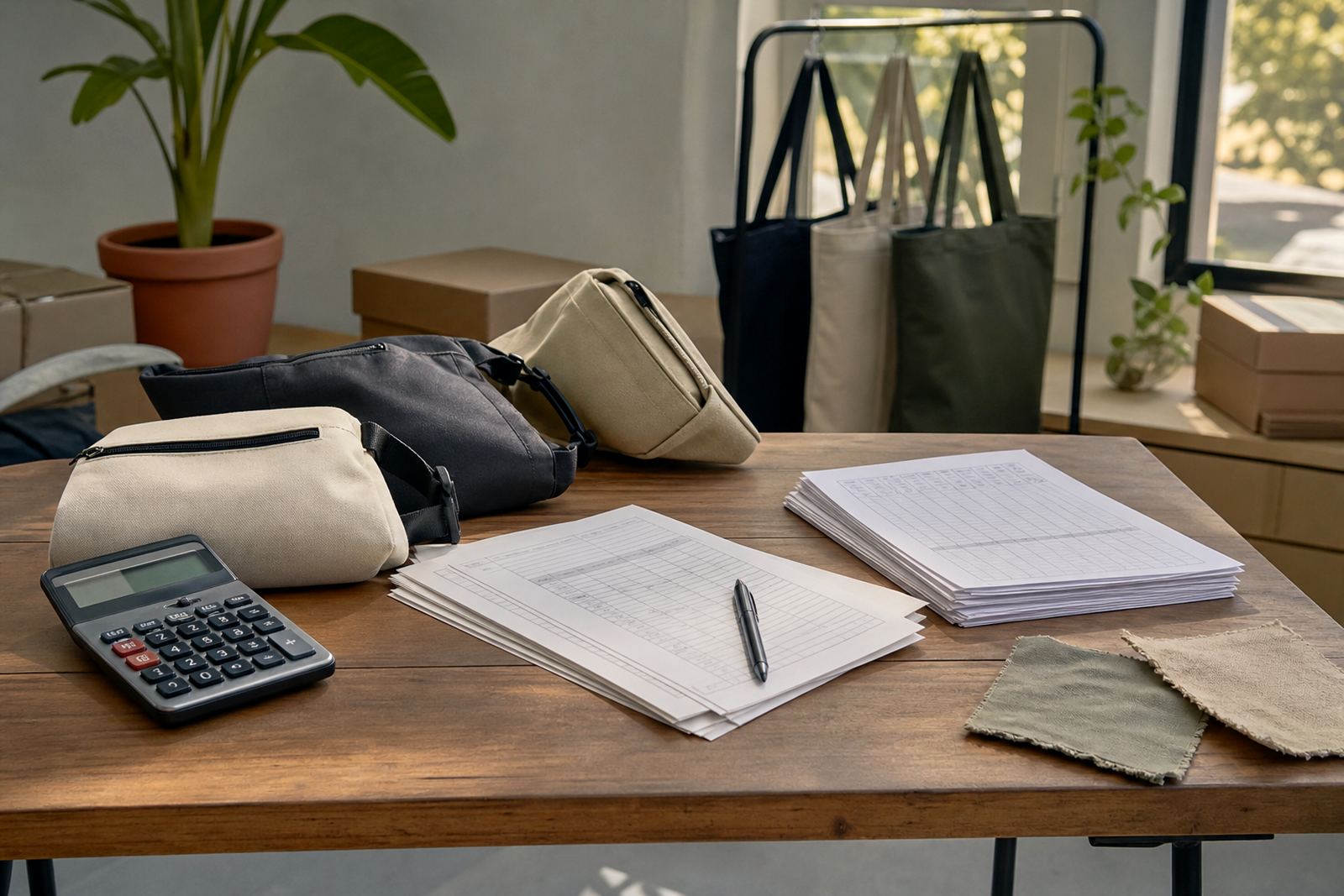
Sampling is worth doing before you commit to a full order. It helps you check colour accuracy, stitch quality, zip action and how the logo sits on the material. For rush orders, it is better to keep the layout simple and the branding clear than to force a complicated design into a tight turnaround. In South Africa, late approvals can happen fast, so having artwork set up properly from the start saves time and avoids waste.
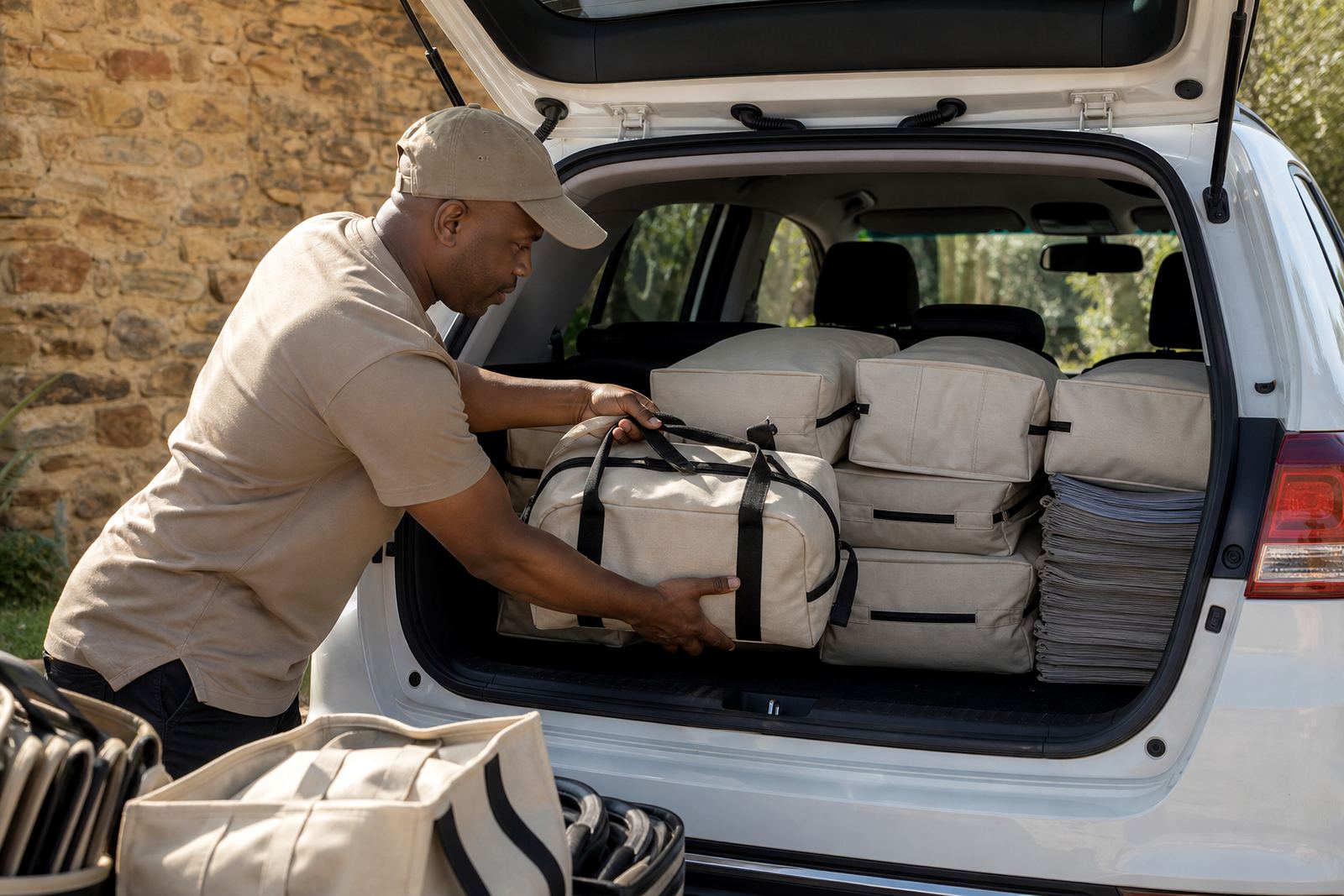
We also find that delivery planning matters just as much as the product. If an event has multiple venues, split delivery to Cape Town, Johannesburg, Pretoria, Durban or Gqeberha can keep things on schedule. That way the right bags land where they are needed, with fewer delays and less stress for the team, even when municipal access rules or venue timings are tight.