
Start with the spend, then work backwards
If you already know the total budget, use it to shape the whole order before you choose colours or artwork. For corporate events, the biggest cost drivers are the bag type, the branding method, the quantity and any packing or split delivery needed for different sites.
A practical approach is to set aside a small buffer for sampling, artwork setup and quality checks. That buffer matters when you are ordering for teams in Cape Town, Johannesburg, Pretoria, Durban or Gqeberha because the logistics can change the final figure more than people expect.
As a rule, a simpler bag style with one clear logo application gives you more units for the same spend. If your target is tight, it is better to choose a clean option that looks neat and arrives on time than to push for extra features that stretch the budget too far.
- Set your total spend first
- Decide who will receive the bags
- Keep a reserve for artwork and packing
- Allow for courier or split delivery costs
Choose a bag shape that suits the use case
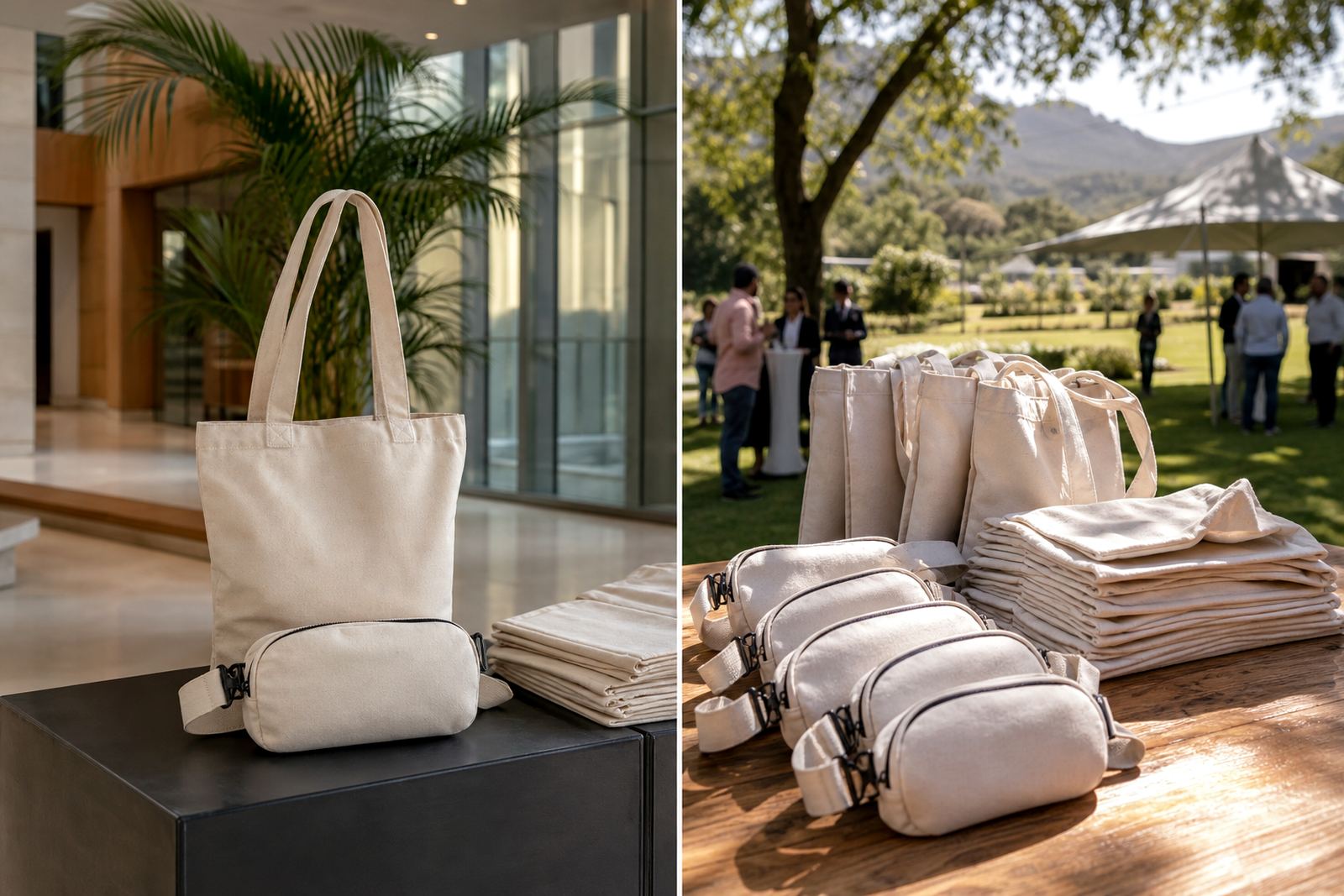
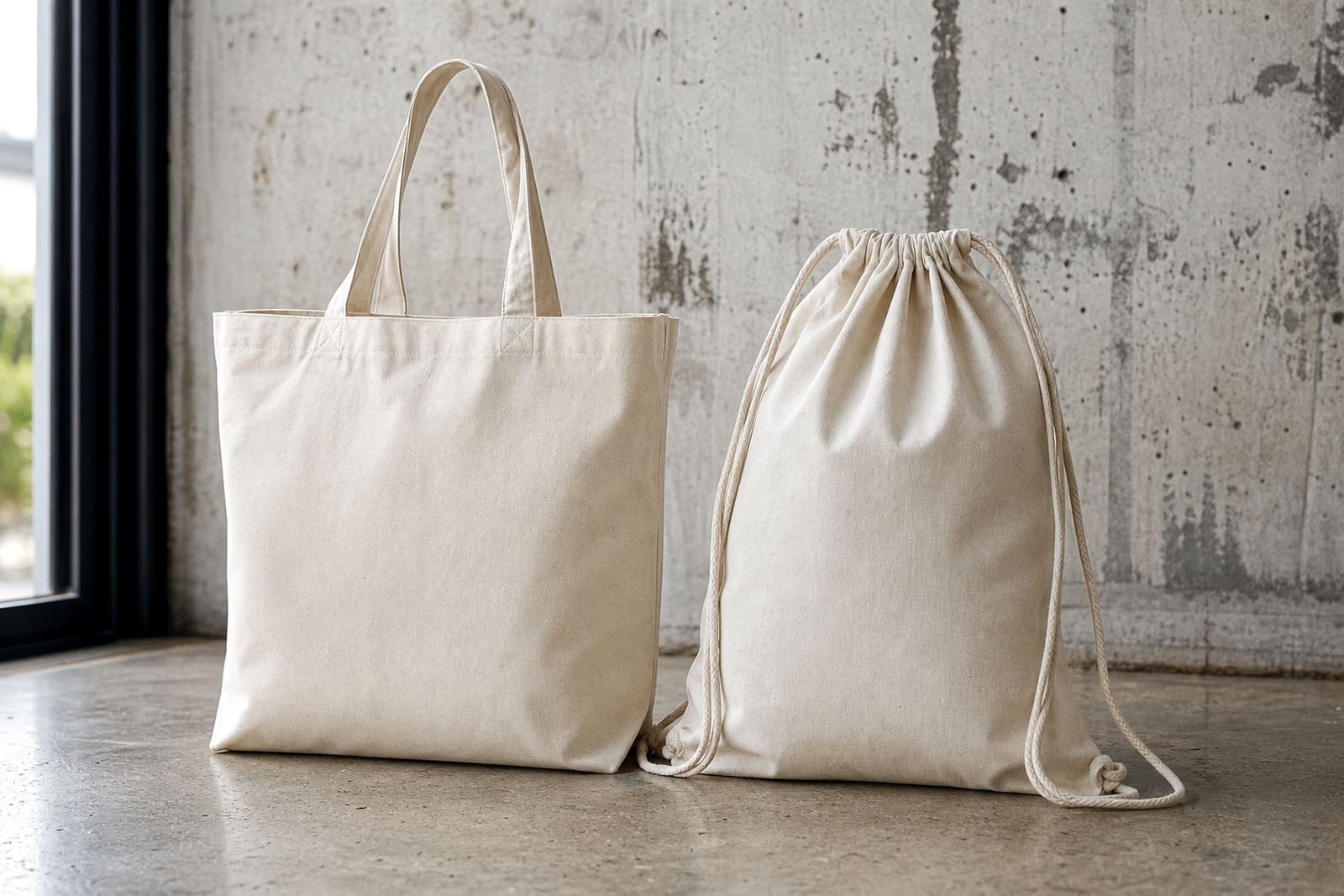
The right bag is the one people will actually use after the event. Belt bags work well for conferences, site visits and outdoor activations because they keep hands free and hold the basics without being bulky. Promotional bags with more volume suit welcome packs, training days and corporate giveaways where notebooks, chargers and brochures need to fit properly.
In Cape Town, where wind and coastal humidity can affect event stock, a bag with clean stitching and a hard wearing finish is a better choice than something overly delicate. For Johannesburg or Pretoria, where traffic and travel time matter, many clients prefer lighter items that are easy to carry between meetings. In Durban, quick drying materials can be helpful if the event is near the coast.
- Belt bags for mobility and practical daily use
- Tote style promotional bags for packable event kits
- Crossbody or waist wear options for staff teams
- Larger carry bags for brochures and conference packs
Match the branding method to the artwork and quantity
Your branding choice affects both the look and the cost per unit. Screen printing usually suits solid logos and larger quantities. Heat transfer can work well for detailed artwork or smaller runs. Embroidery gives a premium feel on suitable bag surfaces, while debossing can be neat on selected materials for a more subtle finish.
The logo itself should be reviewed early, not after the order is placed. Thin lines, small text and multi colour artwork may need simplifying so the mark reads clearly on a compact bag panel. That is especially important on belt bags where space is limited and every millimetre counts.
If you are trying to keep to a fixed budget, it helps to decide whether the logo must be large and visible from across the room, or whether a smaller refined mark will do the job. A smaller print area can reduce costs and still leave the bag looking professional.
- Use screen printing for clear logo blocks and larger batches
- Use heat transfer for detail and colour variation
- Use embroidery for a premium textured finish
- Use debossing when you want a quiet, understated mark
Build the quantity around real attendance, not hopeful numbers
One of the easiest ways to waste budget is to over order by a wide margin. Start with confirmed attendance, then add a small contingency for late registrations, speakers, VIPs and internal staff. If the event is recurring, you can also hold a few units back for future replacements or follow up visits.
For larger rollouts, a tiered order can make more sense than one big purchase. For example, you might order a premium version for senior staff and a simpler version for general handouts. That way the spend is spread more sensibly and each group gets a bag suited to the occasion.
Our team often helps clients split quantities between branches, which is useful when stock must go to several cities at once. Zanele Petersen in dispatch and quality review can check the packing plan before anything leaves Montague Gardens, which helps avoid wrong counts and extra transport costs.
- Base quantity on confirmed numbers
- Add a small buffer, not a large guess
- Use different bag levels for different recipients
- Plan split delivery only where needed
Use sampling and quality checks before you commit
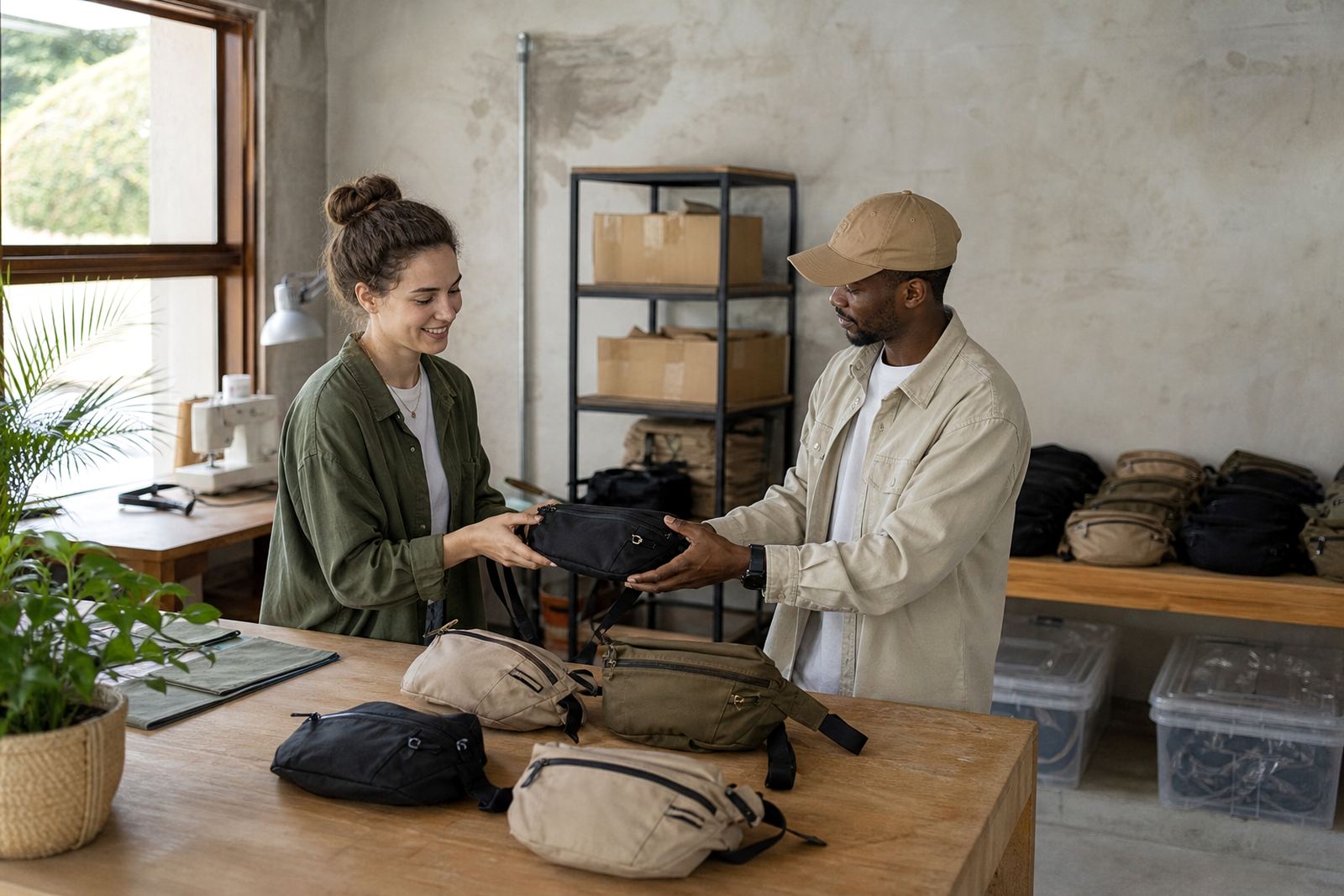
Sampling saves money when it prevents a poor choice. A sample shows you the zip feel, strap strength, stitching and print area before the full run starts. That matters for belt bags because a neat looking sample can still fail if the fit is awkward or the brand placement is too small.
If you are working to a fixed spend, it is worth checking the sample against the actual use. Will the bag hold a phone, keys and access card? Will staff wear it for a full day? Is there enough space for the logo without crowding the seams? These small checks often prevent rework later.
Our production team also checks the finished goods for print alignment and colour consistency. That is useful for corporate events where you need the whole batch to match, especially when the order is being packed in sections for different destinations.
A Cape Town example with a tight event budget
Say a Cape Town company is hosting a 200 person customer day at a venue near the Foreshore and needs practical branded bags for all attendees. The brief is simple: keep to budget, make the logo visible, and deliver on time with no last minute drama. In that case the smartest route may be a compact belt bag with one print position, rather than a larger bag with multiple branding steps.
The order can be split into 180 attendee bags plus 20 extra for speakers, organisers and late arrivals. If the bags need to move to a second site in Johannesburg after the event, split delivery can be planned from the start so the stock is not sitting in one place longer than necessary. For coastal events, it also helps to pack items cleanly and keep them in dry cartons until handout.
That kind of planning keeps the spend under control while still giving the client a useful item people will keep using after the event.
When the budget is set properly, the bag choice becomes a practical decision instead of a guessing game.
What to confirm before you place the order
Before you finalise anything, make sure the spend target is matched to a clear list of requirements. That keeps the order focused and reduces back and forth during production.
- Total quantity and spare units
- Bag type and size
- Branding method and print position
- Artwork format and approval contact
- Delivery city or split delivery plan
- Event date and any rush requirements
If those points are settled early, the rest is straightforward. The team at BeltBag Branded can then guide you through branding, packing and dispatch so the final order fits the brief and the budget without awkward surprises.