Start with the job the bag must do
Before you compare fabric colours or logo placement, think about what the bag must carry. A light welcome pack for a seminar is very different from a delegate bag for a two day expo, and the wrong size means wasted spend or unhappy recipients. If the bag must hold brochures, a water bottle, a notebook and giveaways, you need stronger handles and more depth than a flat shopper.
In South African corporate use, the best eco bag is usually the one that fits the event purpose first, then the branding second. For example, a Cape Town client running a coastal clean-up may want a foldable tote that tucks into a pocket, while a Durban team doing a staff launch may need a more structured recycled bag that can carry heavier items in humid weather.
- Light handouts: slim tote or fold-flat shopper
- Daily carry: gusseted tote with longer handles
- Conference packs: boxy bag with reinforced base
- Outdoor events: easy-clean material with secure seams
Compare reusable fabrics before you choose the print
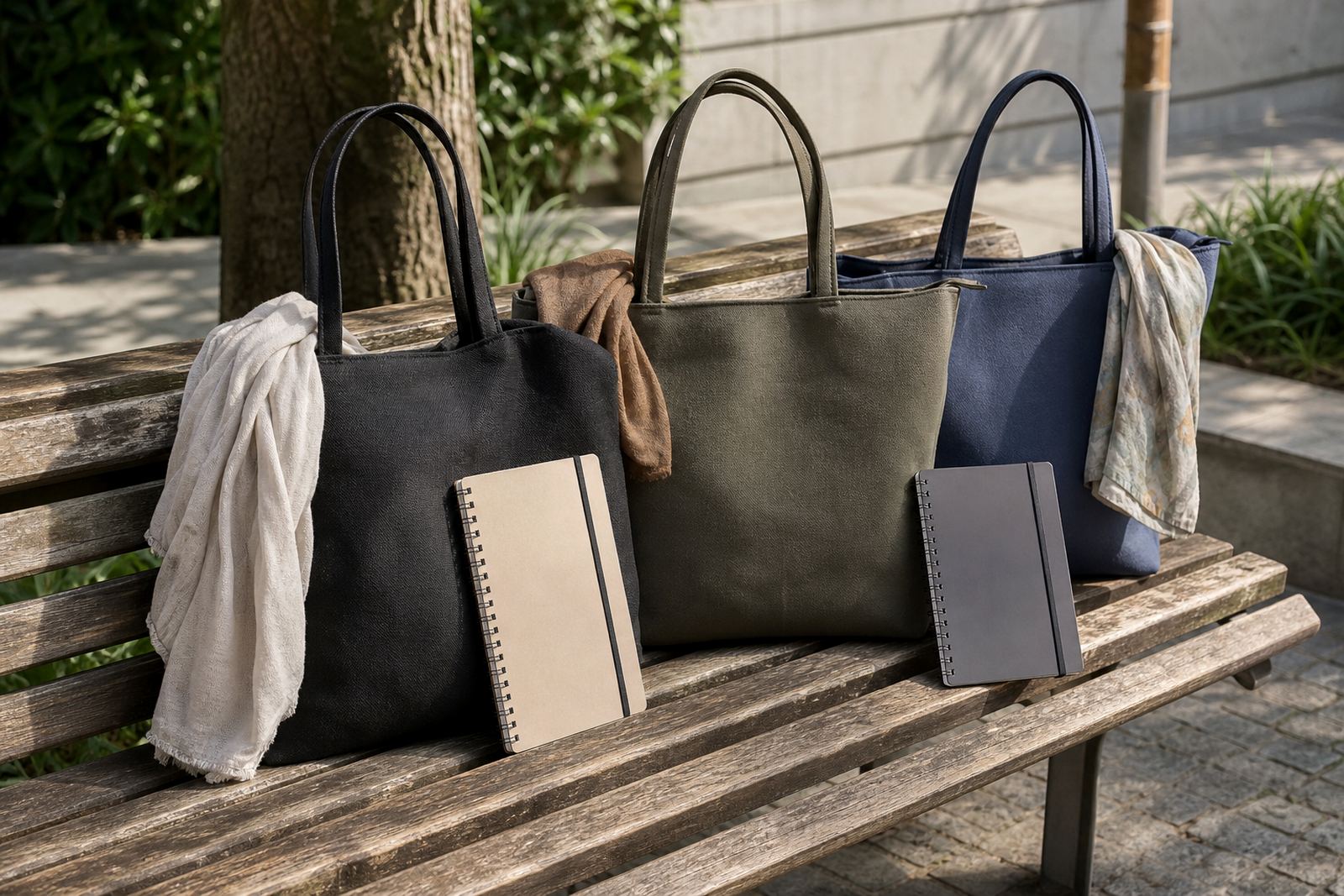
Not all eco bag materials behave the same way. Recycled non-woven options are often affordable for bulk campaigns and work well for large quantities. Cotton and canvas feel more premium and are suitable for client gifts, while jute gives a natural look that suits agricultural, food and sustainability campaigns. Each one has a different feel in the hand, and that affects how your brand is received.
In hot inland areas like Pretoria and Johannesburg, a bag must hold shape without becoming flimsy in dry air and dust. On the coast, especially around Cape Town and Gqeberha, moisture can affect the finish if a bag is stored for long periods in a damp storeroom. It is worth asking how the fabric reacts to folding, stacking and regular use, not just how it looks in the sample.
- Recycled non-woven: economical, light, good for volume
- Cotton: soft, washable, everyday use
- Canvas: thicker, stronger, better for premium gifting
- Jute: natural appearance, good for earthy brand messages
Think about branding methods, not just the logo
The same logo can look very different depending on the decoration method. Screen printing suits bold artwork and repeated batches. Heat transfer is useful for detailed logos or colour variation. Embroidery gives a more refined feel on thicker materials, while debossing can work on selected promotional styles where a subtle finish is wanted. The best method depends on the bag surface and how long the piece is meant to be used.
It helps to keep the artwork simple when the print area is small. A busy layout can lose clarity on a narrow panel or curved surface. Ask for artwork setup early so the size, spacing and placement are correct before production starts. That step saves time, and it avoids reworks on a rush order when stock is already in motion.
- Bold logos: screen printing
- Detailed artwork: heat transfer
- Premium texture: embroidery
- Low-key branding: debossing
Choose bag shape based on the event and the route home
The shape of the bag matters more than many buyers expect. A flat tote is easy to pack and hand out, but it can struggle with bulky items. A gusseted bag gives more room and stands better on a table. A drawstring style is useful for sports days or youth programmes, while a zip-top or flap closure helps when people travel by taxi, train or shuttle and need contents to stay inside. Small details like this make the bag useful beyond the event itself.
For corporate events in South Africa, split deliveries are also worth considering. If your team in Cape Town needs samples first and the rest of the stock must go to Johannesburg, it is easier to plan packing and dispatch before printing begins. That way the bags can be allocated by branch or event group without confusion.
- Flat tote: quick handout, easy to store
- Gusseted bag: better for thicker packs
- Drawstring: simple, light and active use
- Zip or flap closure: safer for travel and transit
Look at durability, not only the first impression
An eco bag should last long enough to be reused many times. That means checking handle strength, stitching, base seams and the finish around the print area. A bag that looks good on day one but splits after two uses does not support your brand well. For this reason, quality checks matter, especially when you are ordering for a large event or a staff rollout across several cities.
Storage conditions matter too. In humid coastal stores, bags should be kept off the floor and away from direct dampness. In dusty warehouse areas, sealed cartons help protect the finish before distribution. If the bags are going into event kitting, ask how they will be packed so that each unit arrives clean and presentable. A little extra care here saves complaints later, simple as that.
- Check handle stitching and seam strength
- Ask for a sample before confirming the full run
- Confirm packing method for storage and transport
- Match the bag weight to the items inside
A local example from first brief to final handout
Imagine a company hosting a supplier forum in Montague Gardens with attendees flying in from Durban, Pretoria and Gqeberha. The team needs an eco bag that can hold a programme, notebook, bottle and a few branded items. A recycled tote may suit the budget for 500 units, while a thicker cotton option could be reserved for speakers and senior guests. The artwork needs to stay clean and readable from a distance, because the bag will be used again after the event.
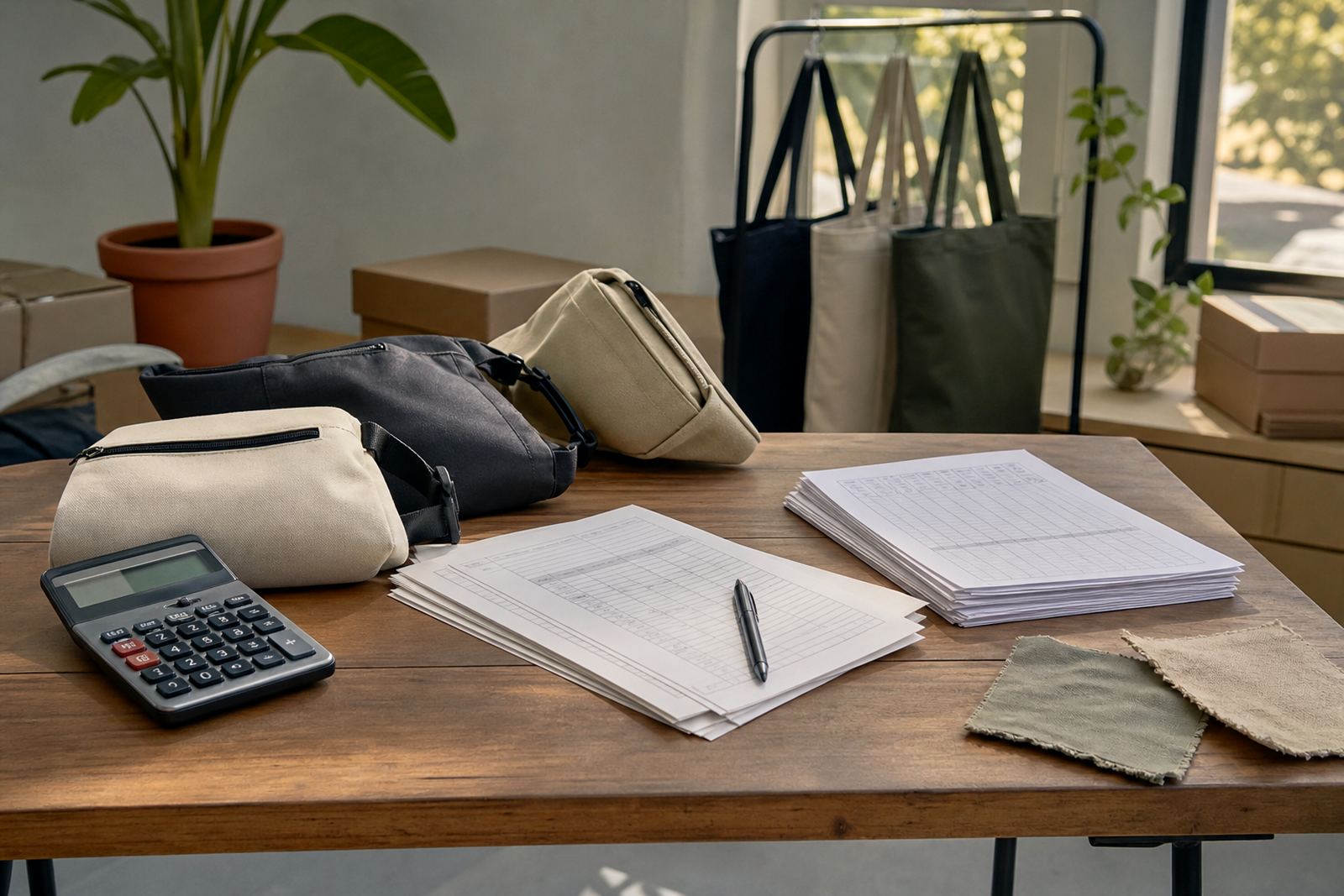
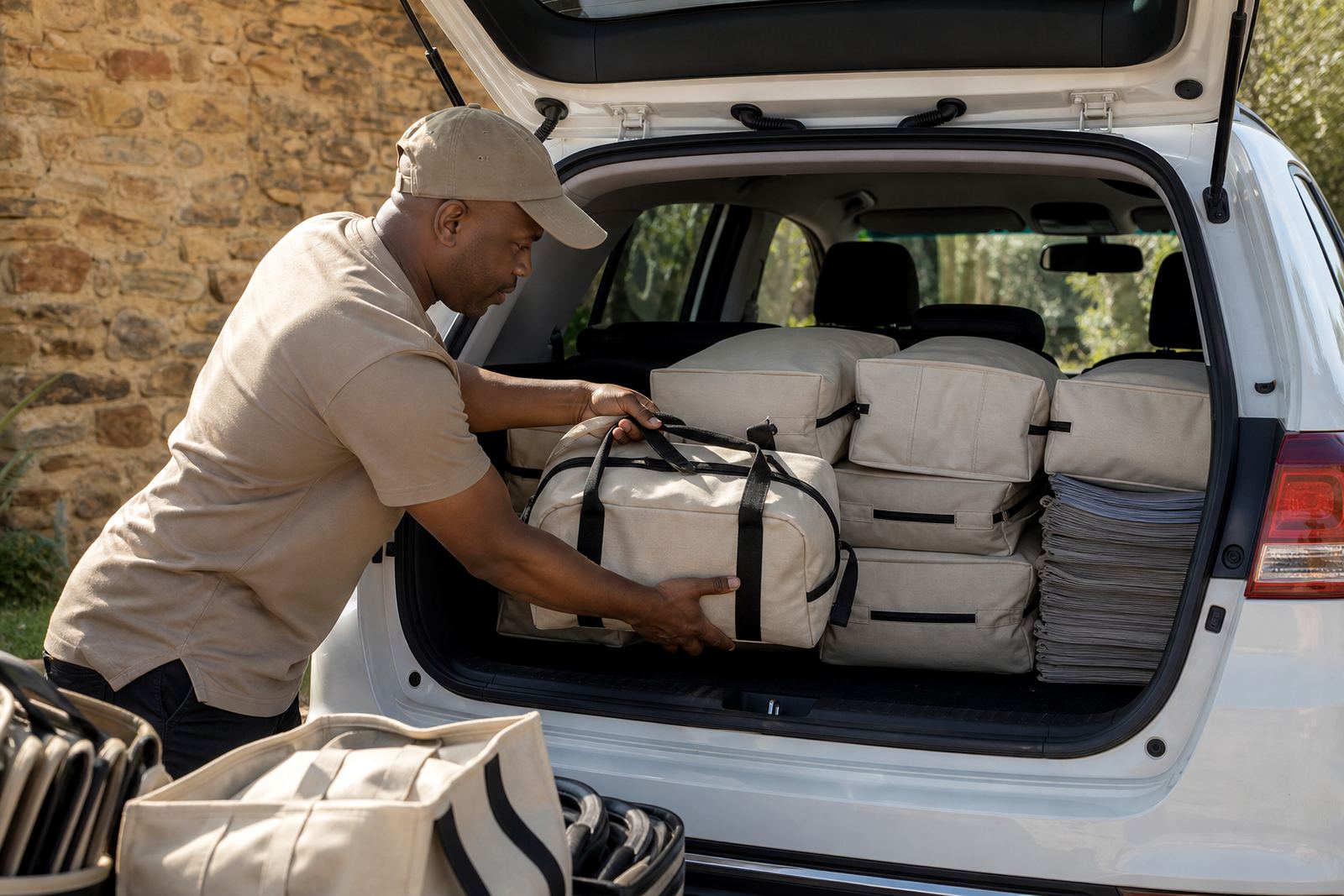
In that kind of rollout, practical planning makes all the difference. One round of samples can confirm colour, size and handle length before production starts. Then the bags can be sorted for event kitting, bulk packing and split delivery if some cartons must go to another branch. That saves time for the client team and keeps the final handout orderly.
For businesses in Cape Town and beyond, the best eco bag is the one that balances use, cost and brand value. If it is easy to carry, strong enough for the contents and printed properly, it will keep working long after the event is over.
What to ask before you place the order
When you are comparing eco bag options, a short checklist keeps the decision practical. Ask what materials are available, what print method suits the artwork, how the bags are packed, and whether rush orders are possible if the event date moves. It also helps to confirm the lead time for samples and whether the order can be split between locations if your team is spread across branches.
A clear brief avoids back and forth later. The more accurate the size, quantity and delivery plan, the easier it is to get a bag that fits the job. Good promo bags do more than carry items, they carry your message into boardrooms, taxis and offices around the country.
- What material is best for the event use?
- Which branding method suits the logo and budget?
- Can samples be supplied before bulk production?
- Can delivery be split between cities or branches?