
Start with the bag size and the number of items
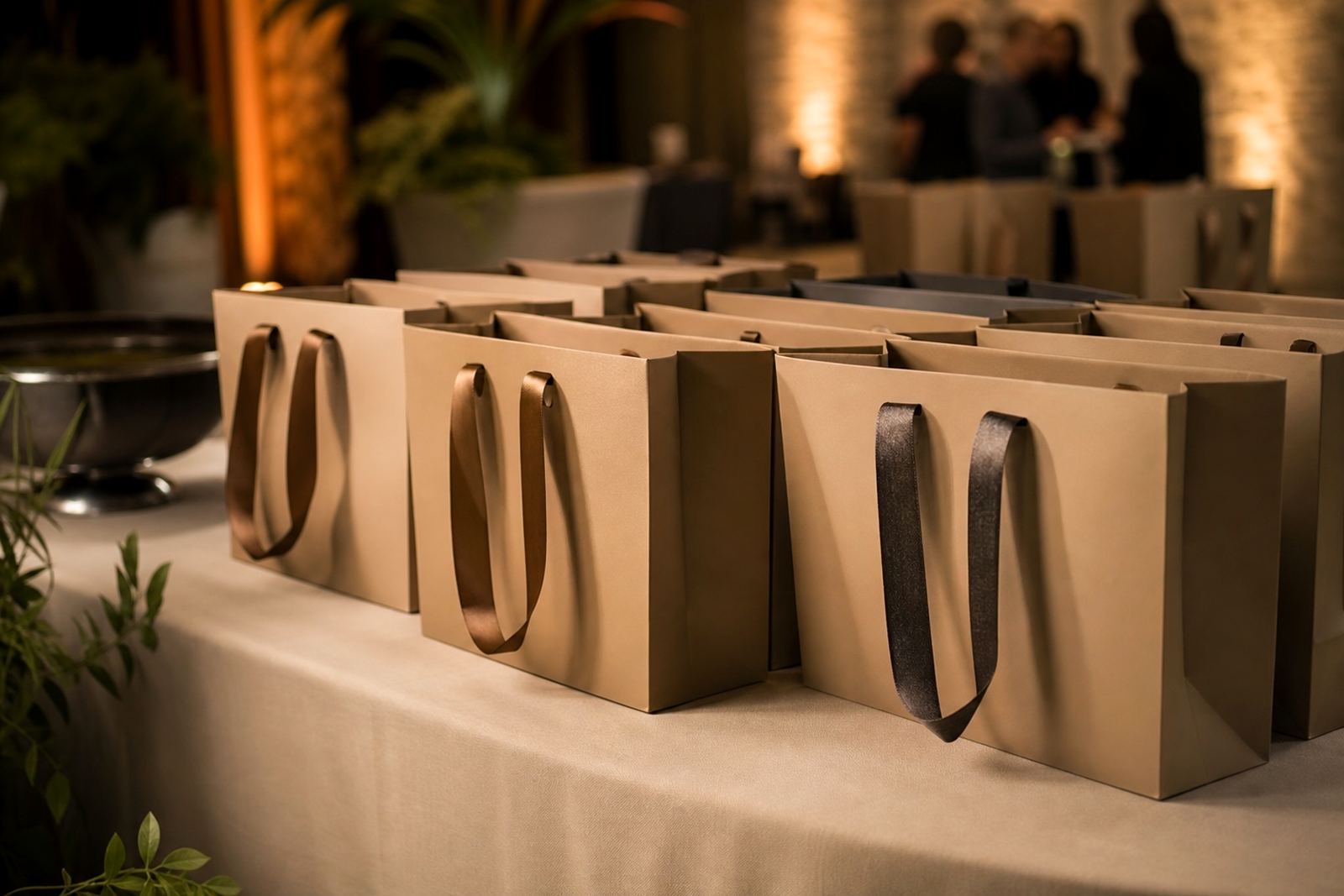
Before you choose the contents, decide how much the pack needs to hold. A compact belt bag works well for a one day seminar with a badge, programme, pen and snack. A larger promotional bag is better for multi day conferences where delegates collect handouts, product samples and printed notes. If the bag is too small, the whole pack feels cramped. If it is too large, it becomes awkward to carry.
For a Cape Town conference in summer, organisers often keep the load light because delegates may walk between the venue, parking and a shuttle. In Johannesburg or Pretoria, where events often run longer and people carry more material back to the office, a slightly bigger bag can be a better fit. The aim is to keep everything neat without making the pack bulky.
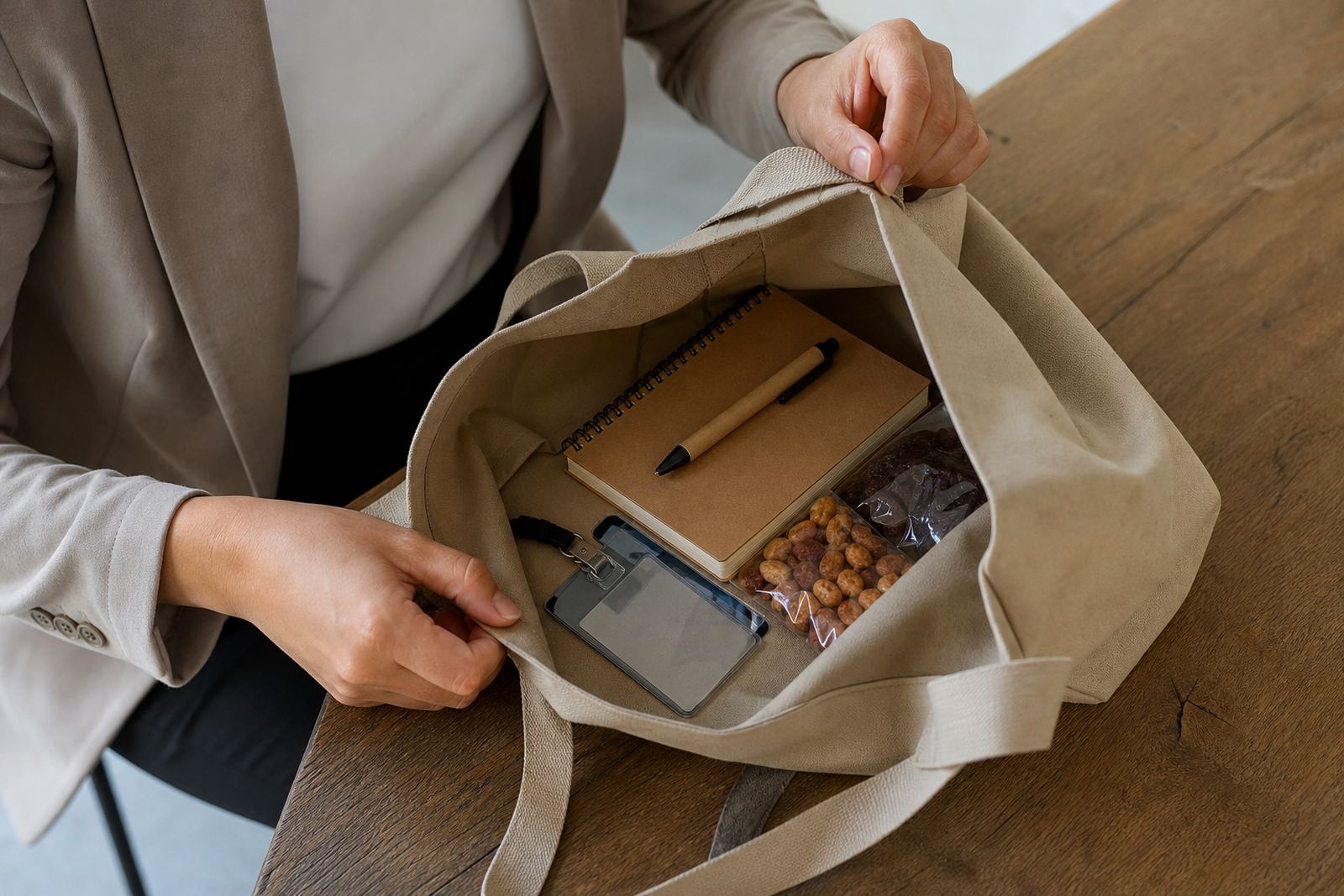
- 1 badge holder or lanyard
- 1 printed programme or agenda
- 1 pen and notepad
- 1 snack or bottled water
- 1 small branded item for take-home use
Build a pack that feels useful, not cluttered
The best attendee packs answer a practical need. Delegates want to find what they need quickly, and they do not want to carry items they will throw away later. That means choosing a small number of good items rather than filling the bag with loose inserts and extras. A useful pack also helps the organiser because it is quicker to assemble and easier to quality-check.
A simple structure works well: one main information item, one writing item, one refreshment item and one brand item. This keeps the pack organised and gives each item a clear purpose. In humid coastal towns like Durban or Gqeberha, it is also worth checking that paper items are stored flat and dry before packing, otherwise corners curl and the pack looks untidy.
- Conference schedule or speaker line-up
- Notebook for notes and action points
- Reusable bottle or snack pack
- Small branded gift such as a pouch, charger pouch or card holder
Choose branding that stays visible after the event
Conference packs should keep working after the final session. That is why the branding on the bag itself matters. A clean logo print, embroidery or debossed finish can keep the bag in use for months. If the artwork is too busy, the bag may be left in a car boot or on a shelf and forgotten. Keep the design readable from a few steps away.
For corporate events, it often helps to match the pack to the level of the audience. A boardroom event may call for a neat, understated finish in one or two colours. A sales activation or large expo can carry a bolder layout. Screen printing suits larger runs, while heat transfer can work well for more detailed artwork. Embroidery gives a polished finish on fabric items, though the right choice depends on the base material and the use case.
- Use one strong logo position rather than several small marks
- Keep text short and clear
- Check colour contrast on the final material
- Ask for artwork setup before production starts
Plan the pack around the venue flow
Venue layout affects how the packs should be assembled. If delegates collect packs at registration, the contents must be easy to hand over in one movement. If packs are going into conference chairs, the item count should stay light and the bag should close properly. If the event uses multiple rooms, split delivery may save time and reduce confusion on the morning of the event.
In Cape Town, where venues in Montague Gardens, Century City and the CBD can have tight loading access, it helps to pre-pack and label boxes by room or day. For larger conferences in Gauteng, a clear dispatch list avoids delays when packs go to different floors or spill over into a second venue area. Good planning saves staff time and keeps registration moving.
- Label boxes by session, room or delegate group
- Keep a small buffer for late registrations
- Separate VIP packs from standard packs
- Check access times with the venue in advance
Add one item people will keep using
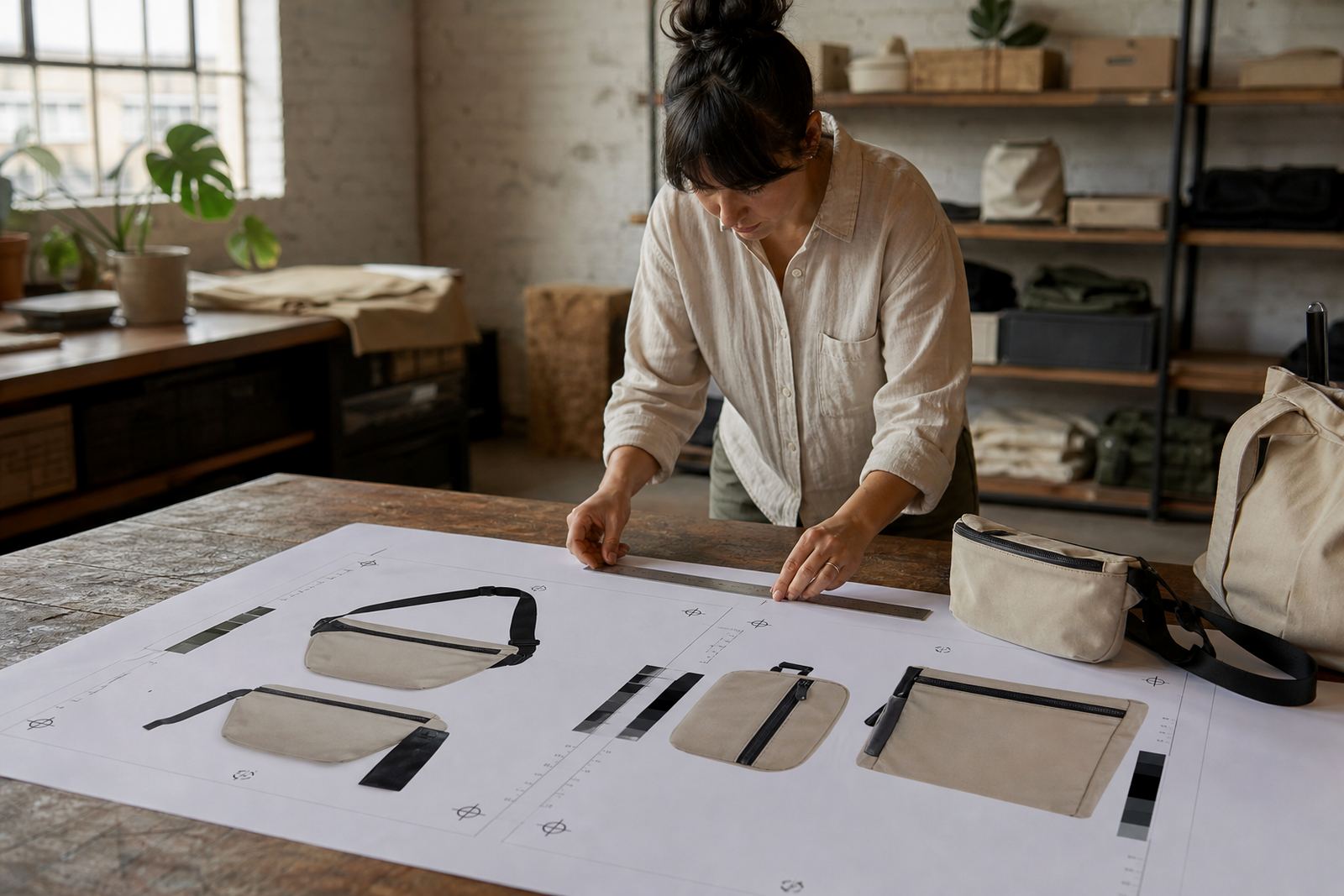
The strongest conference packs usually include one item that is useful well after the event. That item may be a belt bag for hands-free movement, a zip pouch for cables, or a slim branded bag for daily commuting. When the item has a real purpose, the brand continues to move through offices, airports and client visits. That is better than sending people home with a pack full of throwaway print.
If the audience includes travelling staff, product teams or field reps, a compact bag can be especially practical. It holds a charger, phone, cards and notes without taking much space. For events where delegates need to move quickly between sessions, a belt bag can keep essentials close and free up their hands. It is simple, and it works.
Some organisers also include a small note that explains how to use the item after the event. That sounds minor, but it helps the pack feel considered rather than random. A clear pack usually gets used more often, which is the whole point.
Use packing, checks and delivery to keep the event tidy
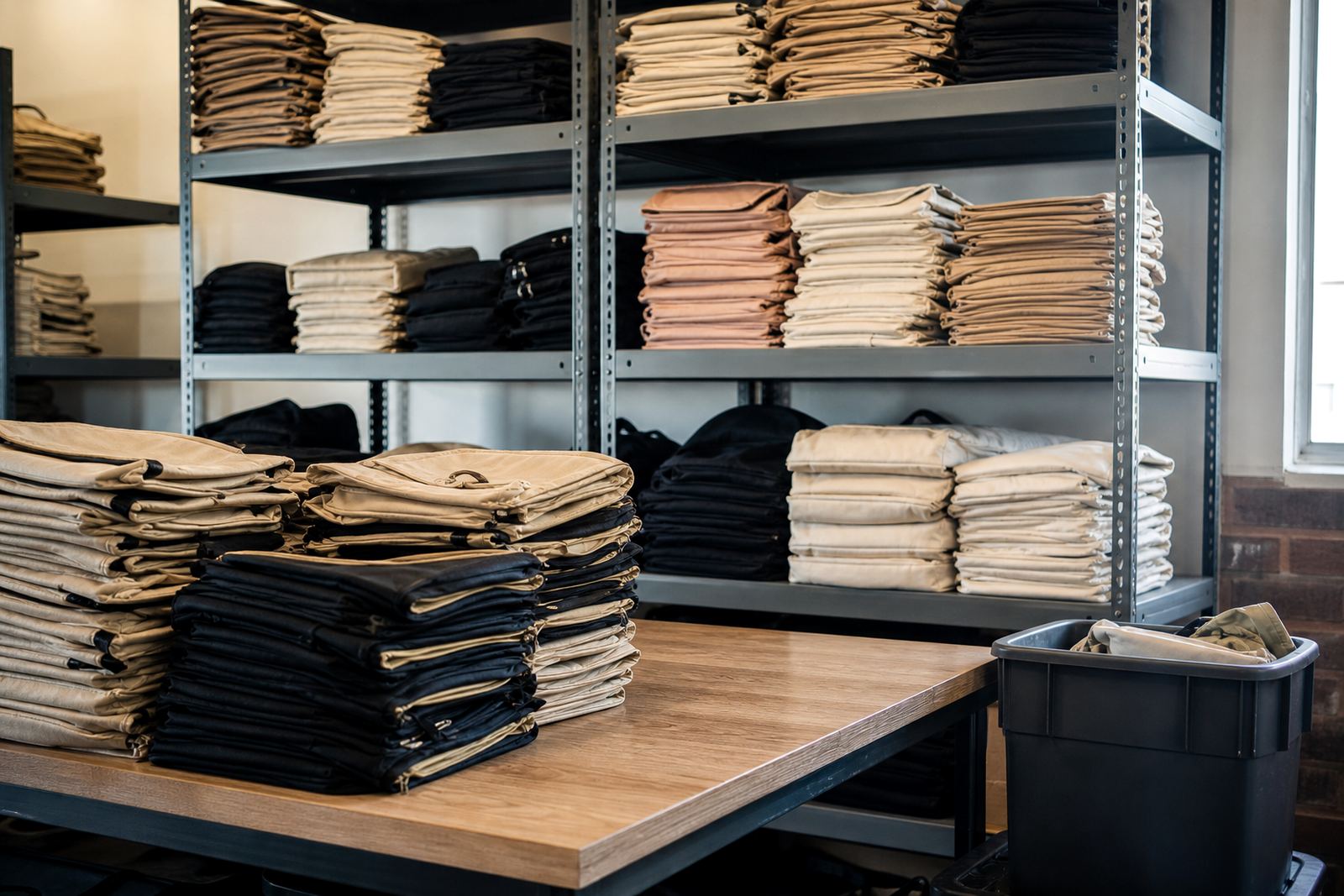
Good conference packs are not only about design, they are also about process. Bulk packing should follow a set order so each pack has the same contents. Quality checks catch uneven print, missing items or damaged zips before the event starts. If the event is in a hurry, rush orders can still work, but only if the pack list is final and the artwork is approved early.
For organisers handling several branches or regional teams, one master list helps everyone stay aligned. A Johannesburg event may need one split delivery to the venue and another to a satellite office. A Durban event may need moisture-safe packing if items are stored overnight. The more organised the pack, the smoother the handover. It also makes life easier for the team on the day, which is always worth it.
- Count every item before sealing packs
- Keep one sample pack aside for final approval
- Use clean outer cartons for transport
- Confirm delivery times with the venue contact
A local example that keeps things practical
For a Cape Town corporate conference with 180 delegates, a simple pack might include a branded belt bag, an agenda card, a pen, a notepad and a small snack. If the event is at a hotel in the city bowl, the organiser can hand out the packs at registration in under an hour if the boxes are clearly marked. If some delegates arrive late, an extra box can be kept near the stage. That keeps the main tables clear and the staff under less pressure.
This kind of pack works because it is practical, not overfilled. The bag is useful during the event and long after it, the contents are easy to manage, and the branding still gets seen. That is the balance most conference organisers are looking for.
When the pack is planned properly, it supports the event instead of slowing it down. That is the real value.