
Start with what must fit inside the bag
Before you think about branding, print area, or finish, make a short list of everything the bag needs to hold. A belt bag for a conference badge, phone, lip balm and pens is a very different brief from a promo bag carrying brochures, a notebook, charger, snacks and a water bottle. Once you know the contents, you can work backwards to the size.
For most corporate events in South Africa, the useful question is not only “what fits?” but also “what fits without forcing the zip or seams”. If the contents are tight, the bag loses shape and the branding can look untidy. That is especially true when the bags are handed out at the venue and people need to use them straight away.
- Small items only: cards, keys, phone, travel voucher
- Light event pack: notebook, pen, programme, badge
- Larger pack: bottles, samples, documents, charger, brochures
- High-value handover: premium gift set with multiple pieces
Know the difference between compact, medium and large bags
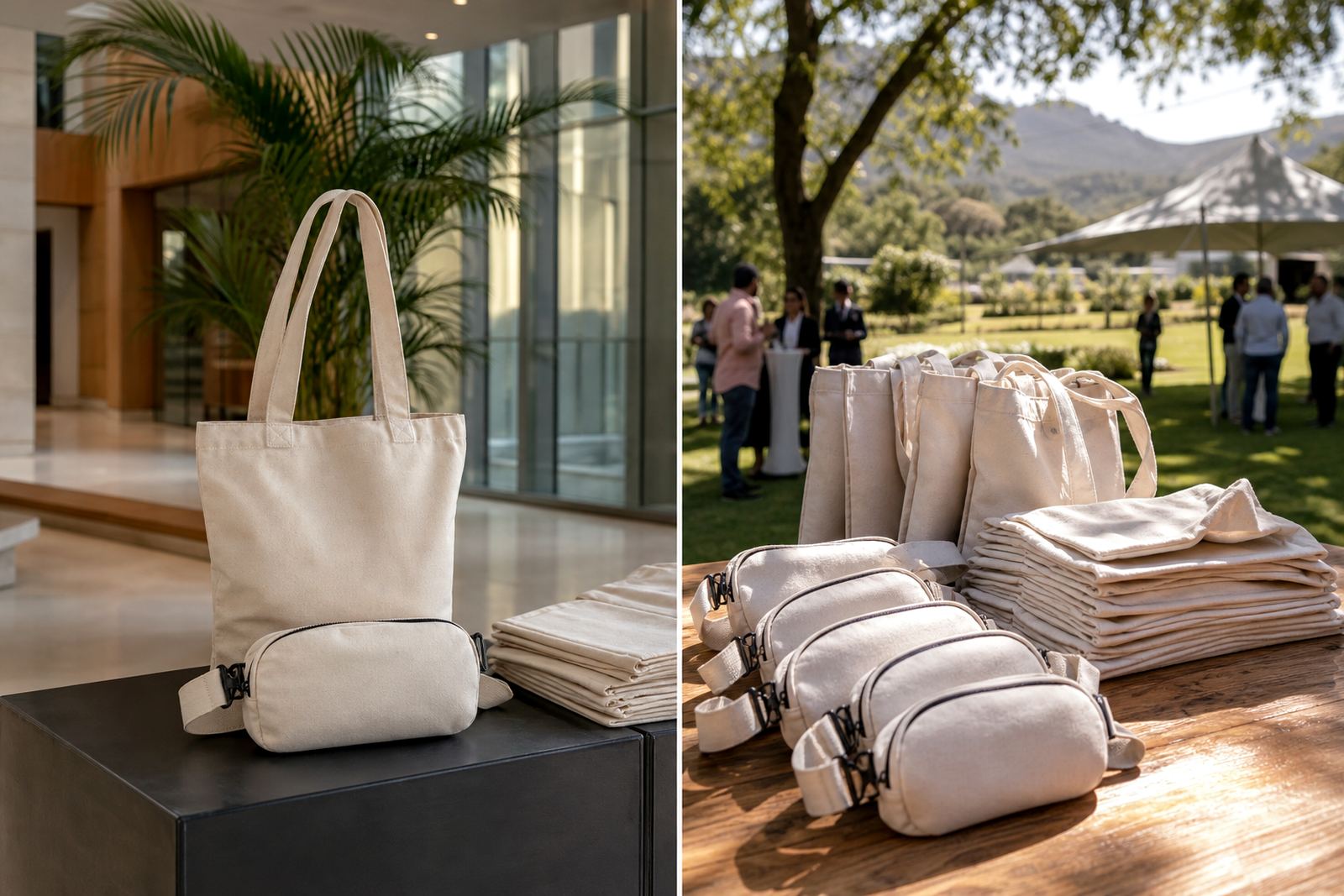
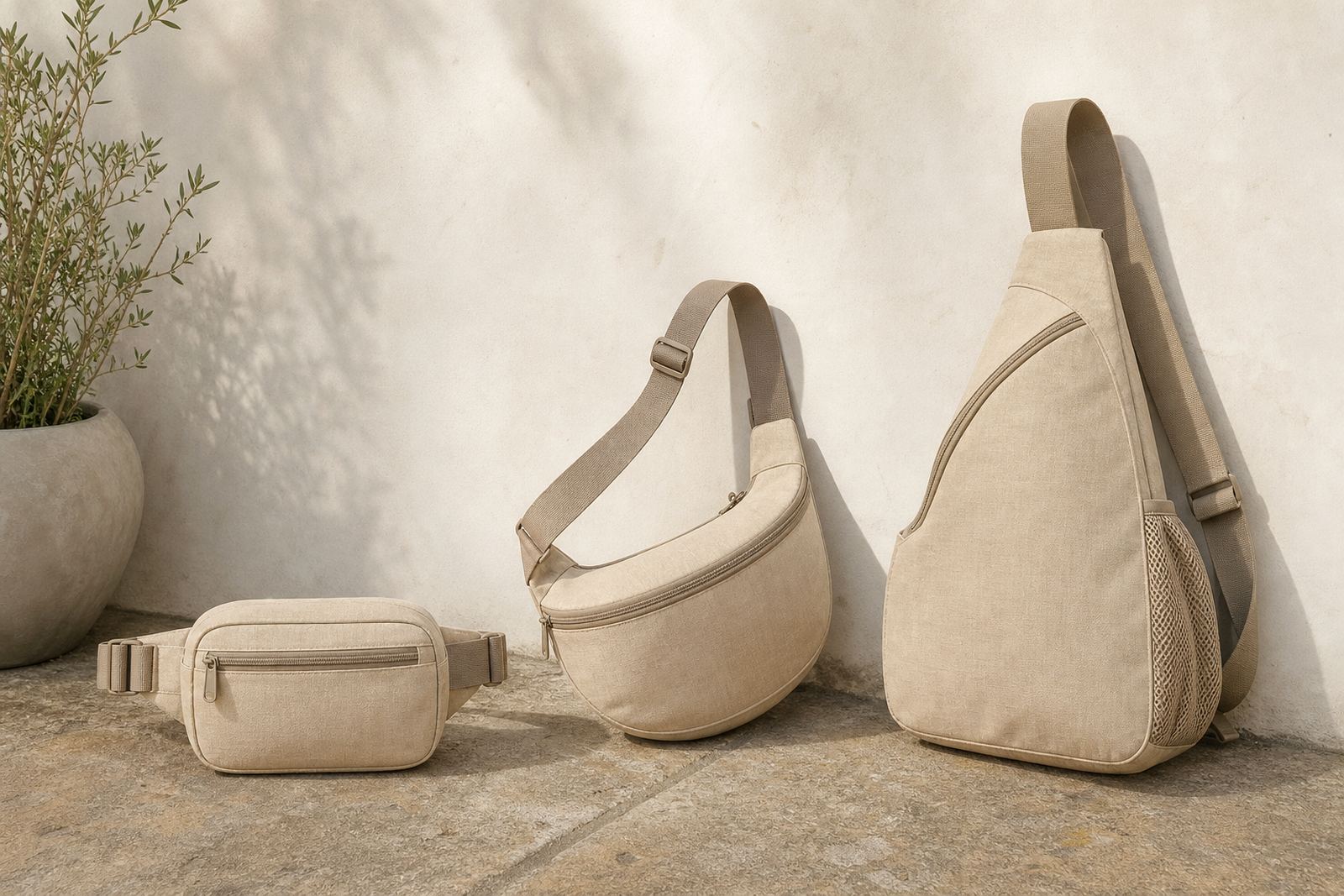
Compact bags suit fast-moving events where the bag is more about convenience than storage. Think golf days, registrations, city activations and conference check-ins. These bags are easy to wear and work well when guests are moving between stands or venues in Cape Town, Johannesburg or Durban.
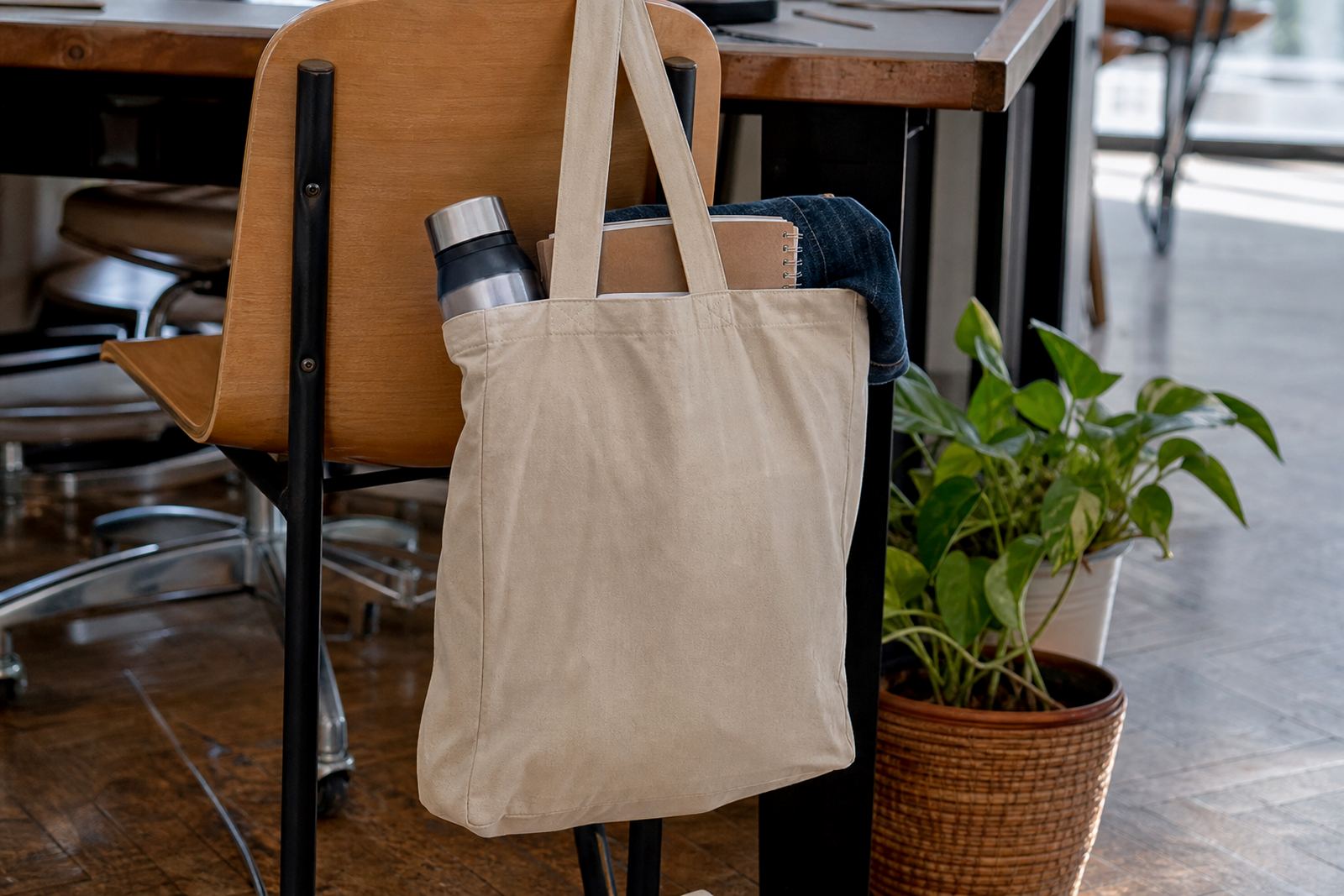
Medium bags are the most versatile option for corporate use. They can handle everyday carry items without becoming bulky, and they usually give enough front area for clear logo printing or embroidery. Large bags are better for full event packs or multi-item kits, but they need more care during packing, transport and handout. If the bag is too deep, people often use it once and leave it behind.
- Compact: best for essentials and light wear
- Medium: good balance of space and comfort
- Large: better for packs, samples and gifting
Match the size to the event type and audience
A staff incentive bag does not need the same capacity as a client welcome pack. Internal team gifts can be practical and simple, while client-facing items often need a neater finish and a bit more space for presentation. At a training session in Pretoria, for example, a medium bag may be enough for a workbook, refreshments and a charger, while a launch event in Gqeberha may call for a larger format if product samples are included.
It also helps to think about who will carry the bag after the event. If the bag is for commuters or field teams, a slimmer profile is easier to carry on a taxi, train or through an office. If it is for a weekend conference or outdoor function, extra room makes sense. Cape Town events often need this extra planning because weather, wind and parking all affect how people move around.
- Conferences: medium sizes for badges, notes and materials
- Trade shows: compact to medium for walkable convenience
- Client gifting: medium to large for a cleaner presentation
- Staff packs: size depends on the full kit, not only the bag itself
Printing area and bag size should work together
The bigger the bag, the more room you generally have for branding, but size alone does not guarantee a better result. A small belt bag can still carry a clear logo if the artwork is well set out and the print method suits the material. On larger promo bags, the print can become too spread out if the design is not adjusted properly.
It is worth checking how the logo sits once the bag is filled. A bag with a narrow front panel may look neat on the table and then warp when packed. A wider panel can give a stronger visual in photos and at the venue, especially when teams are carrying the bags around a hall or outdoor area. Good artwork setup matters here, because a print that is too close to the zip, seam or strap can look cramped. Small detail, but it makes a diffrence.
- Short logo names suit smaller front panels
- Longer company names need wider print space
- Embroidery works best where the material can hold shape
- Heat transfer and screen printing are useful for clear, repeated branding
Think about how the bag will be packed and delivered
Bag size affects more than the final look. It changes how the order is packed, counted and delivered. Large bags take up more volume in transport and can increase handling time, especially for split deliveries to different branches or event venues. Smaller bags are quicker to pack and easier to store, which helps when you are working to a tight deadline or planning a rush order.
For events across South Africa, practical issues matter. Coastal humidity in Durban can affect packaging and storage, while load-shedding can slow down certain production steps if orders are not planned early. If the bags need to go out in separate batches to Cape Town, Johannesburg and Pretoria, the size choice will also affect how neatly the stock can be grouped for dispatch.
- Ask how many bags fit in one carton
- Confirm whether the event venue has storage space
- Check if split delivery is needed for more than one location
- Allow time for quality checks before packing
A simple sizing guide for common event contents
If you want a quick rule, start with the contents and add a little room for movement. The bag should not need to be forced shut, and it should still look tidy once filled. That extra space is useful when people add their own items later, which they usually do.
Here is a practical guide that works well for many corporate events and promotional handouts:
- Compact bag: phone, cards, keys, lip balm, small hand sanitiser
- Small-to-medium bag: phone, notebook, pen, badge, charger cable, mints
- Medium bag: A5 notebook, brochure, charger, snacks, small bottle
- Large bag: full welcome pack, samples, documents, water bottle, branded extras
For a Cape Town product launch, a medium bag often gives the best balance. It carries enough to be useful without turning into a bulky giveaway that gets left in the car. For a roadshow or expo, a slightly larger format may be better if you expect people to collect handouts from several stands.
Choose size for usefulness, not just for appearance
People keep bags that are useful. That is the simple test. If the size matches the real event contents, the bag gets used again at work, on the road or at home. If it is too small, it frustrates the user. If it is too large, it becomes awkward and loses its value as a brand item.
A good bag size makes the whole event feel more organised. It supports the contents, protects the branding and gives your team something practical to hand over with confidence. When you are planning bags for multiple branches or mixed audiences, it is often smarter to use two sizes rather than force one format to do everything. That approach keeps the pack neat and makes the budget go further.
At BeltBag Branded, the best starting point is always the same: list the contents, check the carry style, then pick the size that suits the job. From there, the branding, finish and packing can be matched properly.