
Why venue conditions matter before you choose a bag
Promotional bags are often ordered first and checked later, but the venue should come first. A bag handed out in a hotel foyer in Sandton faces different pressure from one carried through a windy Cape Town promenade market, a sports day in Durban, or a trade show in Pretoria where people are moving between halls and parking areas all day. If you match the material to the setting, the bag lasts longer and the branding stays readable.
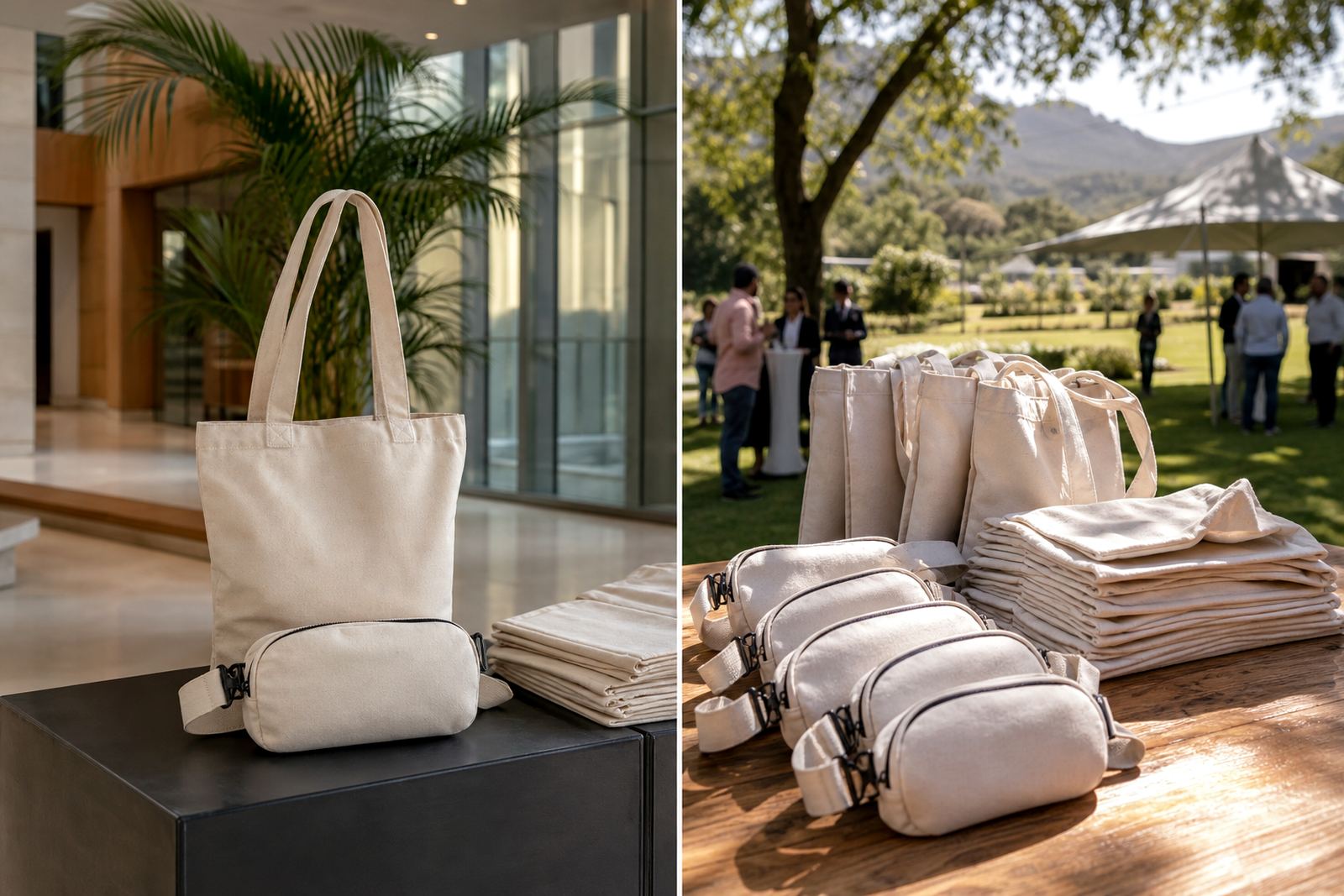
Indoor events usually call for cleaner finishes, lighter fabrics and a sharper look. Outdoor events need more grip, stronger stitching and materials that can cope with sun, dust and the odd rain shower. In Cape Town, we also see coastal humidity making some prints feel sticky if the wrong finish is used, especially on cheaper coated surfaces.
Indoor events need a neat finish and easy carrying
For conferences, board meetings, product launches and hotel functions, the bag should sit comfortably under a chair or on a registration table without looking bulky. Lightweight fabric bags, compact sling styles and neat zip closures are common choices because they look tidy and are easy to pack with brochures, pens and samples.
When the event is indoors, brand detail matters more than ruggedness. That means clearer logo placement, smoother stitching and colours that photograph well under venue lighting. A good indoor bag should also fold flat for bulk packing, because event teams often have limited storage space behind a stage or at the loading bay.
- Use lighter fabric for conference packs and delegate kits
- Choose clean branding areas for logos and contact details
- Ask for split delivery if bags are going to more than one venue
- Keep zips, seams and handles neat for a professional finish
Outdoor venues call for stronger materials and better weather handling
Outdoor events bring extra wear. Bags get placed on grass, concrete, gravel and folding tables, then carried in and out of cars, taxis or shuttle buses. A promotional bag for a golf day in Johannesburg or a weekend activation at the coast needs heavier fabric, secure handles and branding that can handle UV exposure without fading too quickly.
If there is any chance of damp ground, direct sun or dust, avoid flimsy finishes that crease badly or absorb moisture. Woven materials, thicker non-woven options, canvas-style bags and stronger stitching tend to perform better. In coastal areas, especially around Durban and Gqeberha, a bag may also need a finish that resists holding on to moisture after a humid day. That little detail makes a big difference when the team is packing up after sunset.
- Choose stronger handles for walking between parking and venue entrances
- Consider water resistance for outdoor expos and sports events
- Use print methods that stay clear in bright sun
- Check how the bag will hold samples, bottles or heavier inserts
Material choice depends on what the bag must carry
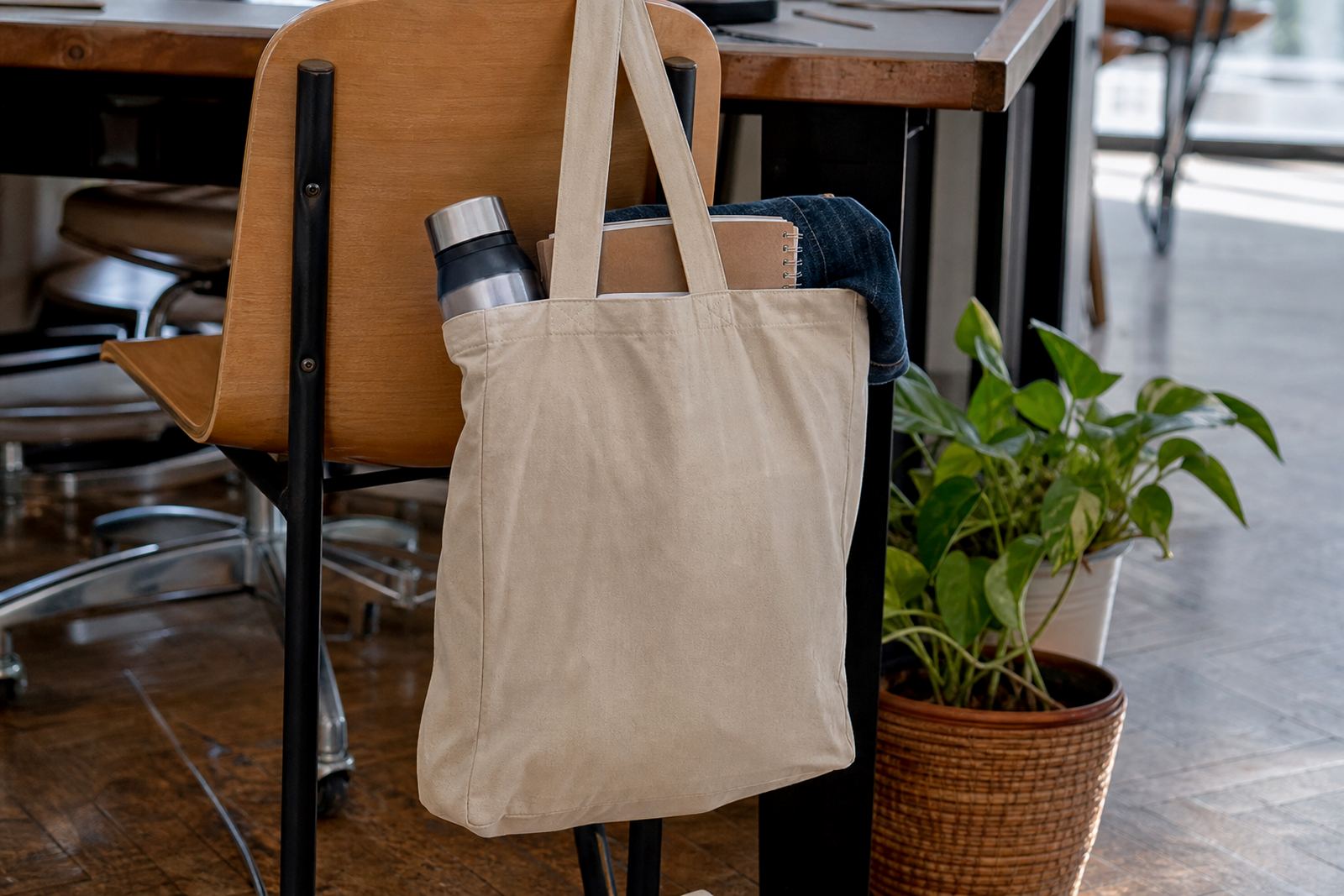
Not every event bag needs to carry the same load. A slim bag for a seminar pack only needs to hold papers and a notebook, while a client gift bag may need to take catalogues, samples, a water bottle and a branded item or two. Once the load goes up, material strength becomes more important than a soft finish.
Heavier contents need a bag with proper base support and stitching that does not pull open at the seams. If the bag will be used again after the event, durability becomes part of the marketing value. People are more likely to reuse a bag that feels practical and looks decent after a few trips. That means the material should match the expected weight, not just the artwork.
- Light contents: paper inserts, brochures, small giveaways
- Medium contents: notebooks, charger packs, lanyards, bottled drinks
- Heavy contents: samples, catalogues, merchandise and gift bundles
Print methods should match the venue and surface
Printing is not just about appearance. Some bag surfaces take ink better than others, and some finishes work better in indoor light than in outdoor sun. For a clean corporate look, screen printing is often used where the artwork is simple and the run is larger. Heat transfer can suit more detailed artwork, while embroidery gives a textured finish on certain styles. Debossing may suit selected promotional items where a low-key branded result is needed.
If the event is outdoors, the print also needs to stand up to rubbing, folding and handling by many people in one day. For a busy activation in Stellenbosch or a roadshow moving between Cape Town and Johannesburg, we often recommend keeping the design readable from a distance and avoiding tiny details that disappear when the bag is in motion.
Artwork setup matters here too. A logo that looks fine on screen may need adjusting for fabric grain, stitch lines or seam placement. That is why sample checking is worth the time, because a bag can look solid in a mockup and still need a small fix before production.
Local example: a Cape Town event with mixed indoor and outdoor use
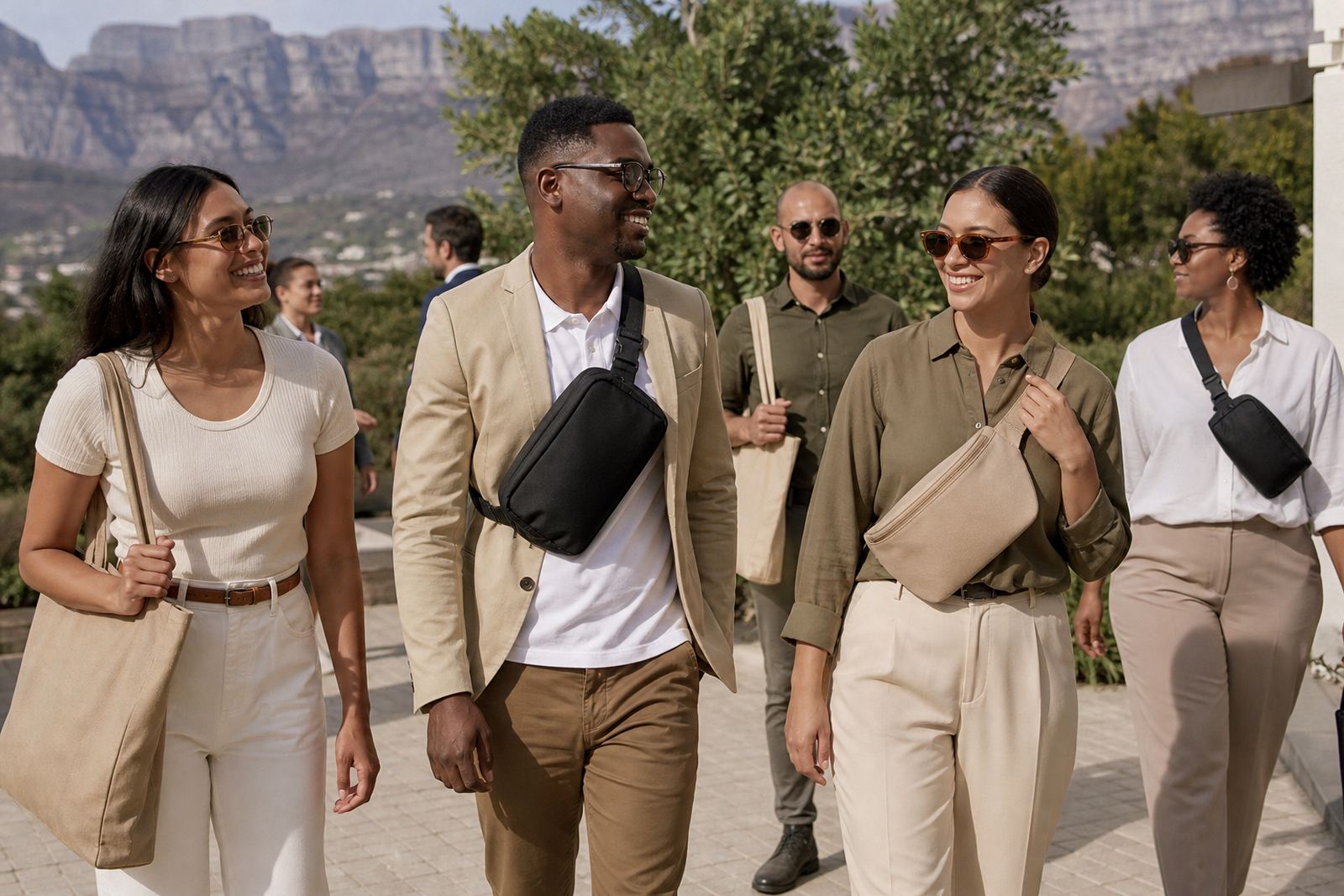
A good example is a corporate conference that starts indoors at a hotel in Century City, then moves to an outdoor networking area for the afternoon. Guests walk through air-conditioned halls, then out into sun and sea breeze with their bags in hand. In that case, a light bag may feel comfortable at first but show the wear too quickly once people head outside.
For that kind of programme, a mid-weight bag with a secure closure, strong handles and clear branding tends to work better. It should still look tidy at the registration counter, but it also needs to survive the walk between venue spaces and the trip home. If the event is in winter, add the chance of rain to the checklist. In Cape Town, that can change in an hour, which is why an indoor-only choice can become the wrong choice very fast.
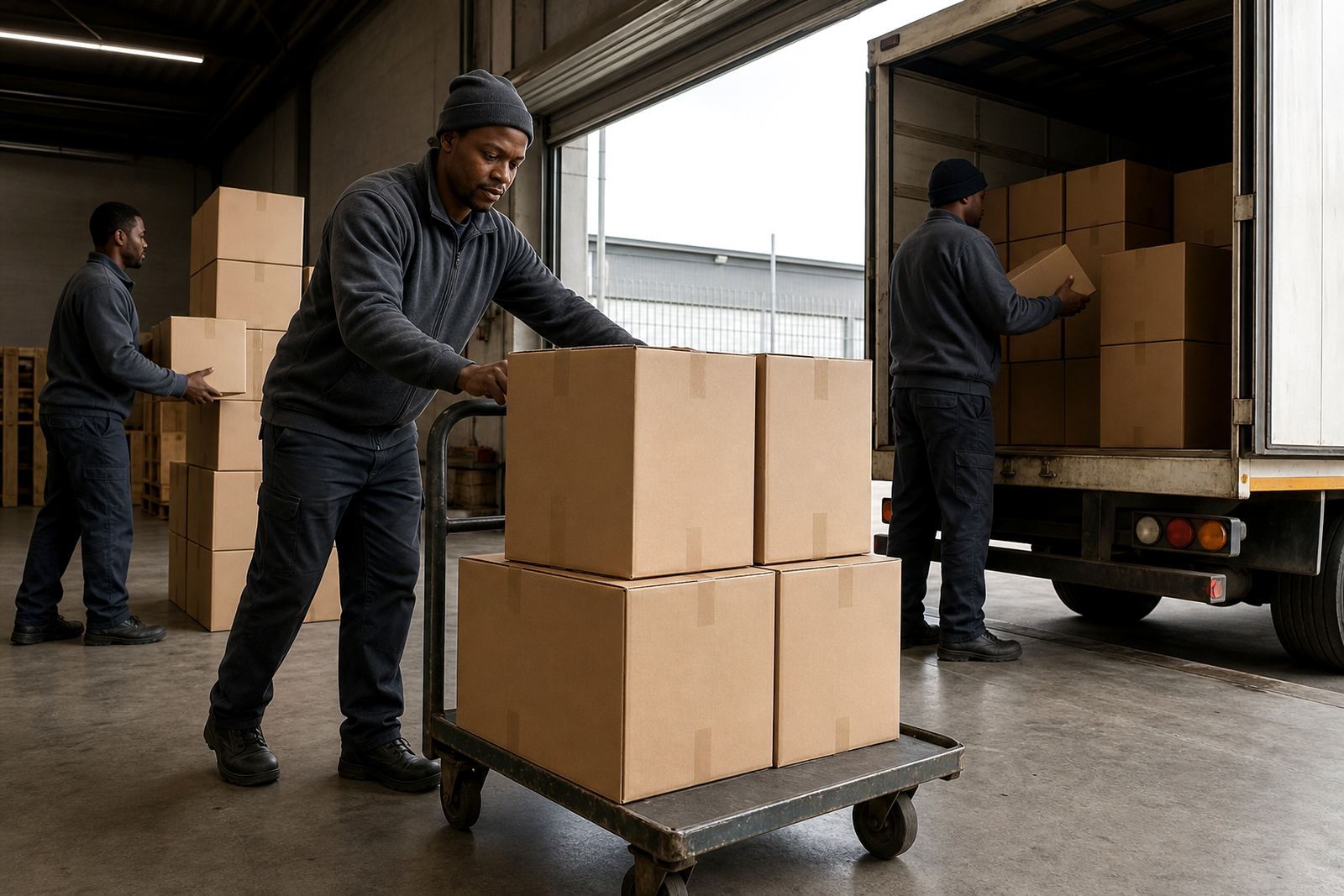
Our team in Montague Gardens often plans these packs around venue access, pack-out timing and delivery routes, especially where split delivery is needed between the city bowl, Bellville and Somerset West. It saves time and reduces damage on site.
A simple checklist before you place the order
Before you confirm an order, think through where the bag will be used, how long people will carry it and what will be packed inside. That makes the choice more practical and cuts down on waste. It also helps the branding team decide which finish will stay clear across the full event run.
- Will the bag be used inside only, or both inside and outside?
- Will it carry light paperwork or heavier event items?
- Do you need a polished look or a harder wearing finish?
- Is the venue humid, windy, dusty or exposed to rain?
- Do you need rush orders, bulk packing or event kitting?
When those answers are clear, the bag choice gets easier. The right material does more than hold items. It protects the event experience, keeps your branding visible and makes the bag more likely to be used again after the day ends. That is where a practical promotional item earns its keep, even if the event itself is done and dusted by evening.