

Why people keep a belt bag on their body all day
A good event bag has to earn its place. Belt bags do that because they are light, hands free, and useful in the moment. At a conference, expo, golf day or product launch, people want somewhere for a phone, card wallet, lip balm, keys, hand sanitiser and a few small pamphlets. If a bag is too big it gets left in a car or at a hotel. If it is too awkward, it gets tucked away and forgotten.
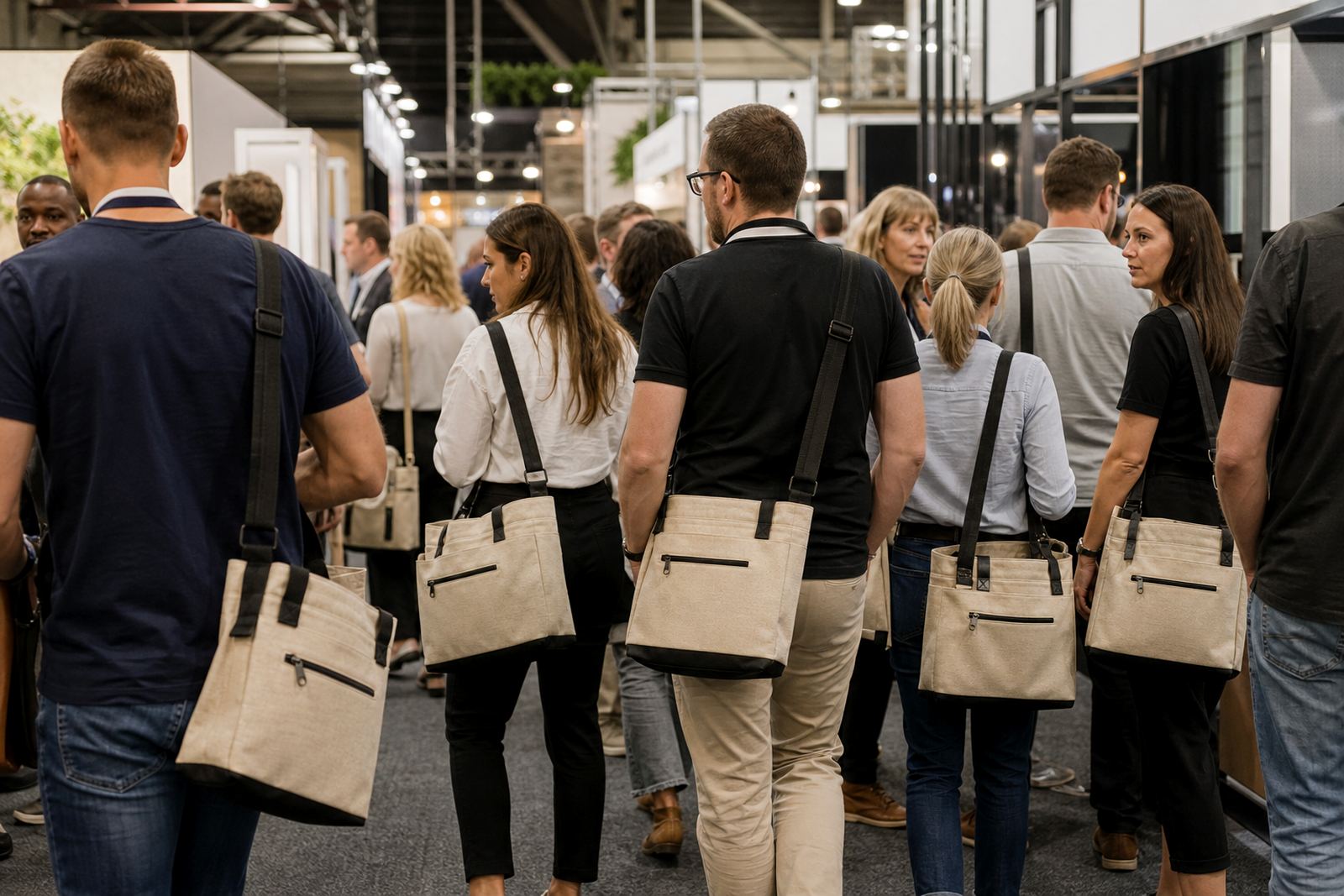
Belt bags stay visible because people wear them, not carry them. That matters for brand recall. Your logo sits at chest or waist height, which means it is seen in queues, on the exhibition floor, in group photos and during travel between sessions. It is steady exposure, not a one-time glance.
For South African events, that practical angle matters even more. Guests may be moving between indoor and outdoor areas, dealing with load-shedding, or carrying items through busy venues with strict access control. A belt bag keeps essentials close and reduces the chance of lost items, which makes it useful in a real way, not just a promotional one.
How belt bags keep your branding in circulation after the event
The real value of branded merchandise is what happens after the event ends. A tote bag may be folded away. A brochure gets binned. A belt bag usually stays in the car, goes on a school run, or comes out again for weekends, markets and travel. That repeat use gives your logo more chances to be seen by people who were not even at the original event.
When the item is well made, people are more likely to keep it. That means stitching, zip quality, strap strength and print finish all matter. A small fault can make a bag feel cheap very quickly. The aim is simple: make something practical enough that a client or team member uses it without thinking about the branding, while the branding keeps doing its job in the background.
- Useful for events where guests need their hands free
- Easy to issue to staff, delegates or VIP clients
- Suitable for repeated use across workdays and weekends
- Better visibility than items that are stored away straight after handover
The right bag spec depends on the event and audience
Not every event needs the same bag. A compact belt bag suits a registration pack, a staff gift or a client thank-you item. A larger format works better when you want to fit a water bottle, a folded programme or a small sample pack. Colour choice also changes the feel. Dark colours are practical for transport and daily use, while bright shades stand out strongly in group photos and on crowded expo floors.
For corporate events in Cape Town, Johannesburg, Pretoria, Durban and Gqeberha, the brief should always consider who is receiving the bag and what they will actually do with it. Staff at a roadshow may need something durable. A client-facing event may call for a cleaner look with subtle branding. If the bag is for a coastal venue, materials should handle humidity and occasional salt air better than lightweight finishes that mark easily.
Artwork placement matters too. A clear logo on the front panel usually works best, but some events need secondary branding on the strap, zip pull or back panel. The goal is to keep the design readable from a short distance without overcrowding it.
What makes a branded belt bag feel worth keeping
People notice quality in small details. A neat print, smooth zip, lined compartments and a strap that adjusts properly all influence whether the bag feels like a proper gift or just event giveaway stock. When someone trusts the bag to hold their phone and keys, they will use it more often.
There is also a clear difference between a bag that is packed and handed over quickly and one that is prepared properly. Quality checks, bulk packing and event kitting help keep the finish consistent across large orders. For companies ordering for a sales conference or year-end function, that consistency protects the brand as much as the artwork does.
- Even logo placement across the full order
- Secure stitching and reliable fastening points
- Print or embroidery that suits the material chosen
- Neat packing so items arrive ready for handover
A practical local example from a Cape Town event
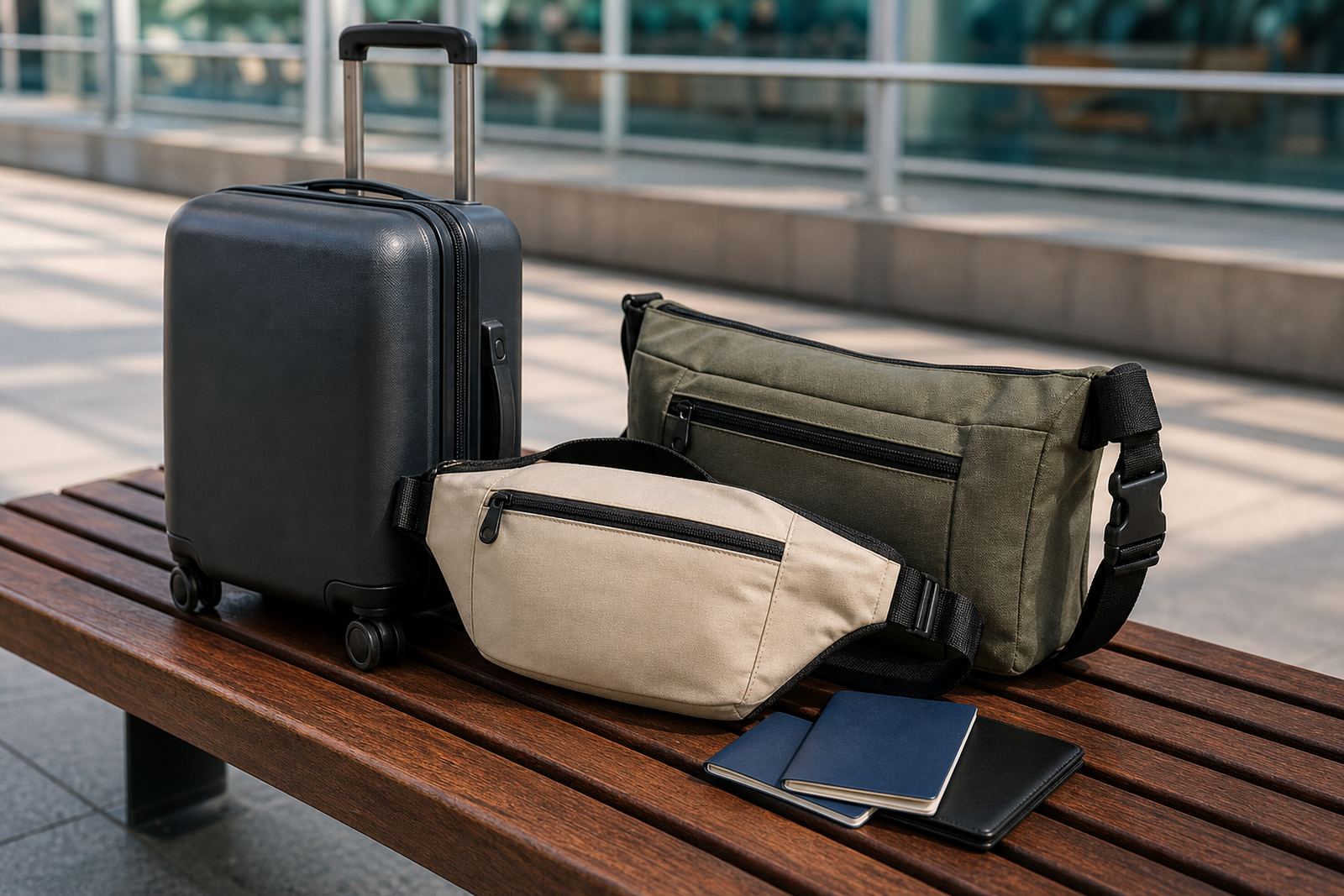
A company hosting a two-day conference in the Cape Town metro may need a bag that is easy to carry through the airport, into a hotel, and then onto a shuttle. If delegates are moving between sessions, meal breaks and evening functions, a belt bag makes a lot of sense. It keeps room cards, a phone and a small notebook together, while the company logo stays visible from the first registration point to the last photo opportunity.
That same order can be split for different branches or venues if needed. Some units may go to a launch in Cape Town, while others are sent to Johannesburg, Pretoria, Durban and Gqeberha. Split delivery is often useful when the same campaign is running in more than one city. It saves time and keeps the rollout tidy, especially when teams are working to tight dates.
For businesses in Montague Gardens and surrounding areas, or buyers handling support in Bellville and Somerset West, the appeal is straightforward: one practical item, a clean logo placement, and a product that keeps working after the event is over.
When rush orders and sampling matter
Event planning does not always leave plenty of time. Sometimes a venue date shifts, guest numbers change, or the final artwork is only approved late. In those cases, rush orders can keep the campaign on track, provided the artwork is ready and the product choice is confirmed quickly. Sampling is useful too, especially when you need to test size, print position or material feel before placing a larger run.
Sampling saves mistakes. A bag that looks right in a mock-up may sit differently when worn, or a colour may read differently under venue lighting. Looking at one actual sample before full production is a sensible step, especially when the bags are for clients, executives or external partners. It is a small pause that can prevent a costly reprint.
For teams focused on event outcomes, belt bags make a strong case because they are easy to issue, easy to use and hard to ignore. They serve the person carrying them, and they keep the brand visible without asking for attention every minute.