
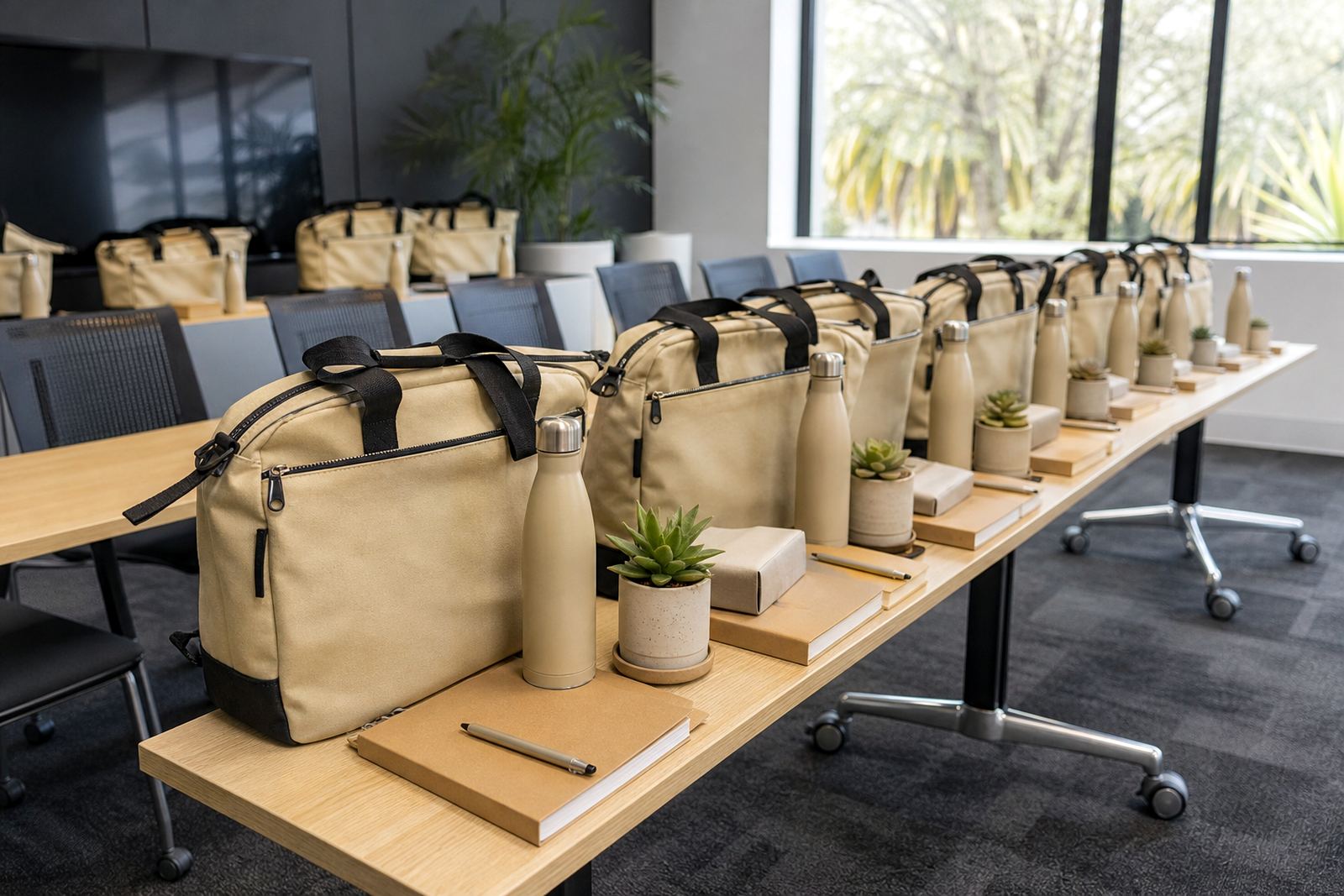
Why a branded bag makes the first day easier
When a new employee walks in on their first morning, there is usually a mix of forms, policy notes, branded stationery, ID cards and small practical items to hand over. If those pieces are loose in a paper packet or a flimsy box, they get bent, lost or left behind in the car. A branded belt bag or promotional bag gives the kit a proper place from the start, which makes the onboarding process feel calmer and more organised.
For South African businesses, that matters because onboarding often has to happen quickly. Teams are busy, HR is juggling paperwork and managers do not always have much time before the first shift starts. A well packed welcome kit means the employee can carry everything from reception to the meeting room, then home if needed, without wrestling with loose items. It also gives the company a practical item they will actually use, instead of something that sits in a cupboard.
There is also a simple brand benefit. A useful bag gets carried around offices, training rooms, sites and commutes. That means your logo is seen where the work happens, not just on a shelf. For companies with staff moving between Cape Town, Johannesburg or Durban, that kind of everyday visibility can be worth more than a glossy handout. And in rainy season or humid coastal conditions, a zipped bag keeps papers drier than an open folder.
What to pack so the kit feels useful, not stuffed
The best staff welcome kits are practical first. Start with the items every new hire needs in the first week, then build around the role. For office staff, that may include a welcome letter, access card, notebook, pen, staff policy summary and a small item such as a water bottle or mug. For site teams, add PPE notes, induction forms, a badge holder and any shift schedule sheets. The bag should be large enough for the contents but not so oversized that it feels clumsy.
- Welcome letter or role introduction sheet
- Access card, badge holder or lanyard
- Notebook, pen and induction checklist
- Safety information or site rules
- Small branded items such as a bottle, cap or cable pouch
- Payroll or HR forms that need signatures
Think about what the employee will carry on the day and what they may need again later. A belt bag works well for smaller items such as cards, keys, earphones and travel cash. A larger promotional bag is better when you need to include folders, samples or multiple printed documents. If the onboarding pack is too bulky, split it into two parts: what must be handed over on day one and what can be given during the first week. That keeps the welcome kit neat and avoids overstuffing the bag, which never looks good.
Choosing between belt bags and other promotional bags
Not every onboarding pack needs the same style of bag. A belt bag is a smart option when your team needs hands free movement and quick access to small items. It suits field staff, event teams, warehouse supervisors and brand ambassadors who need to keep essentials close. A larger tote or promotional carry bag is better for office-based onboarding or where printed materials are the main focus.
The right choice depends on the working day. In a warehouse in Montague Gardens, a compact bag can hold a badge, pen and induction notes without getting in the way. In a head office in Sandton, a structured carry bag may be better for training manuals, lunch and a laptop charger. For teams that travel between branches or attend client sites, split delivery of welcome kits can help you get the bags where they are needed without one branch having to sort everything out on its own.
- Belt bags suit smaller kits and mobile staff
- Tote-style bags suit documents and office onboarding
- Drawstring bags work for simple, low cost packs
- Zipped pouches help with cards, cables and smaller items
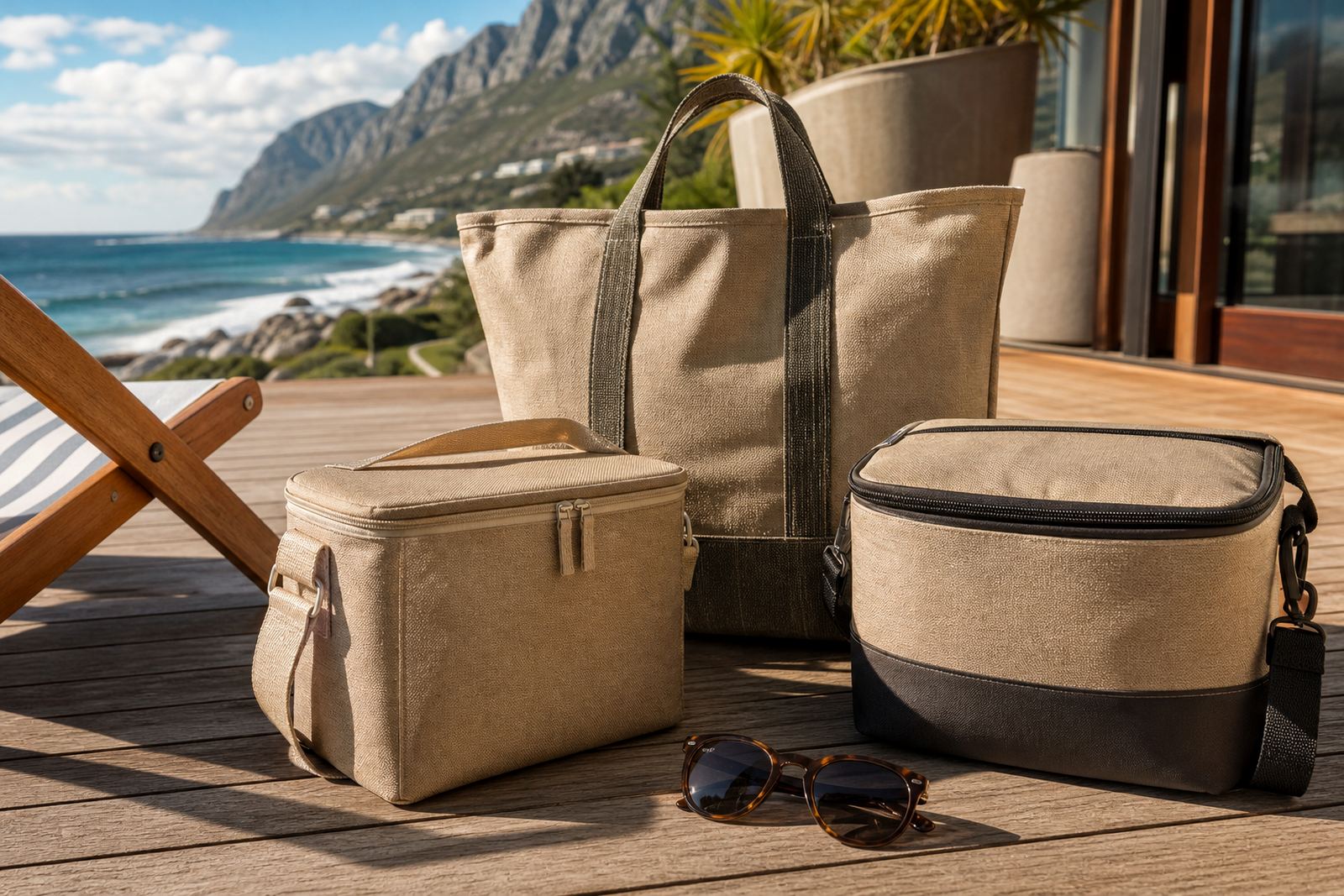
- Insulated bags can work for hospitality or field teams
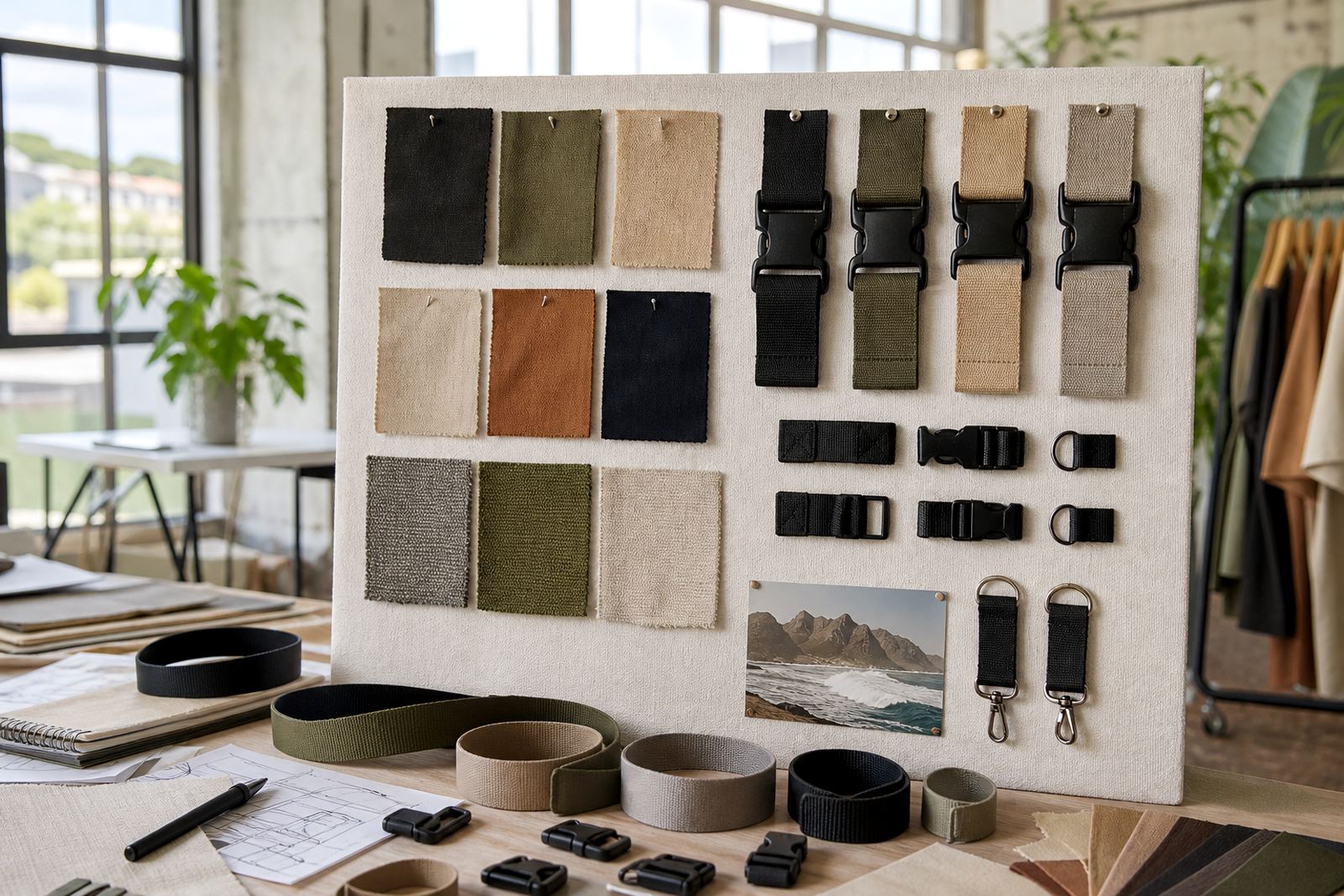
Print method matters too. Screen printing is often a good fit for bold logos and repeat runs, while embroidery gives a more textured finish on heavier fabric. Heat transfer can suit detailed artwork or multi-colour marks, and debossing gives a subtle pressed look on selected materials. The finish should match the purpose of the kit and the image you want the employee to associate with the company.
How to keep bulk onboarding practical across multiple branches
Companies with staff across Cape Town, Pretoria, Durban, Gqeberha and Johannesburg need welcome kits that are easy to pack and send. A good system starts with a standard contents list, then allows for small variations by branch or department. That way the main bag stays consistent, but the inserts can change for local procedures, site induction or team specific tools.
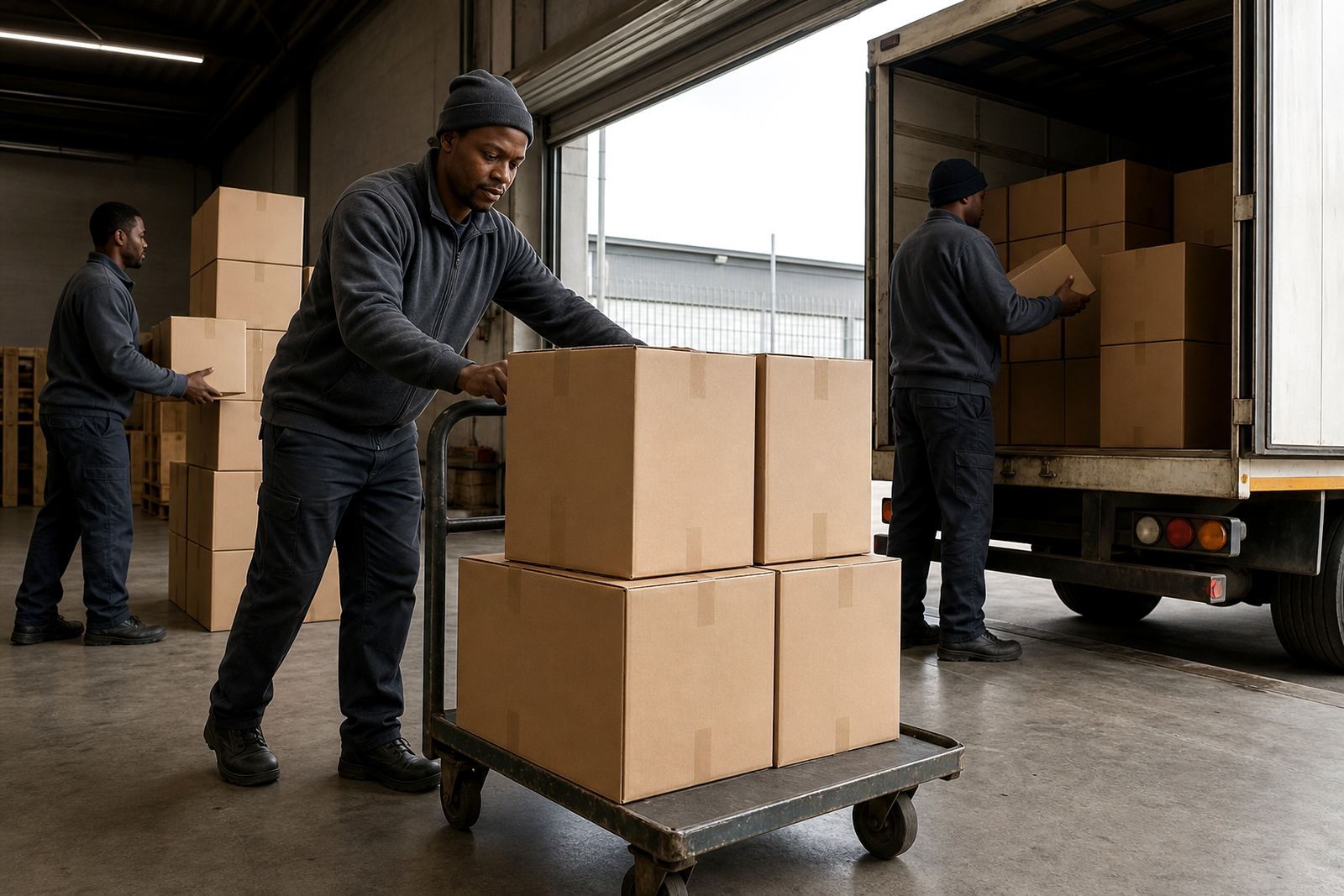
Bulk packing helps a lot here. Instead of staff in each office trying to sort bags one by one, the kits can be packed centrally and labelled for split delivery. That makes it easier to keep the items the same, check the count and send the right bundle to each branch. It also reduces mistakes, which matters when you are onboarding several people in one week. If a company is opening a new store or taking on seasonal workers, rush orders can be used when the timing is tight.
In coastal areas like Cape Town and Gqeberha, humidity can affect printed inserts and paper items, so a zipped bag is a practical choice. In hotter inland locations, a strong handle and tidy closure matter more because the kit may travel in a car boot or with other work gear. A simple, well made bag often does the job better than something overdesigned. It should feel useful on day one and still be useful after the training week is finished.
A local example from Cape Town onboarding
A Cape Town employer bringing in a new intake of client services staff might pack each welcome kit with a printed induction plan, access card holder, notebook, pen, policy summary and a branded belt bag for personal items. The team can hand the kit over at reception, then move straight into training without hunting for loose paperwork. That setup works well for staff commuting from Bellville, Somerset West and the city bowl, because everything stays in one place.
For one of these intakes, the company may want the logo on the bag, the department name on a small card and a colour coded insert for each team. This makes distribution simpler and helps supervisors check that each person has what they need. If the business runs shifts across different times of day, event kitting can be used so each bag includes the correct documents for that role. It saves time and the new hire gets a proper welcome, not a rushed handover.
The best part is that the bag becomes part of the employee’s daily routine. It might hold training notes for two weeks, then access cards, chargers or travel items after that. That kind of reuse is where the value sits. It turns a welcome item into something practical, rather than a one-day gesture that gets forgotten by Friday.
What to check before you place the order
Before you approve staff welcome kits, it helps to confirm a few basics. The logo artwork should be final, the bag size must match the inserts and the pack list should be checked against the number of new hires. If you are adding embroidered or printed branding, allow time for artwork setup and quality checks so nothing looks rushed. That is especially important when the kits are going out to more than one branch at once.
- Confirm the number of kits needed by branch
- Check the bag size against the contents list
- Approve the logo placement and colour match
- Decide whether items will be packed together or split delivery is needed
- Allow time for sampling if you want to compare finishes
- Set aside a few extra kits for late starters or replacement hires
A small overrun can be helpful because onboarding changes fast. Someone may start earlier than planned or a team may grow by an extra two people before month end. Keeping a few spare kits avoids last minute scrambling. For businesses that care about consistency, that spare stock is worth having, especially when the team size changes and the loading of documents gets hectic.