Why a sample matters before the full order goes ahead
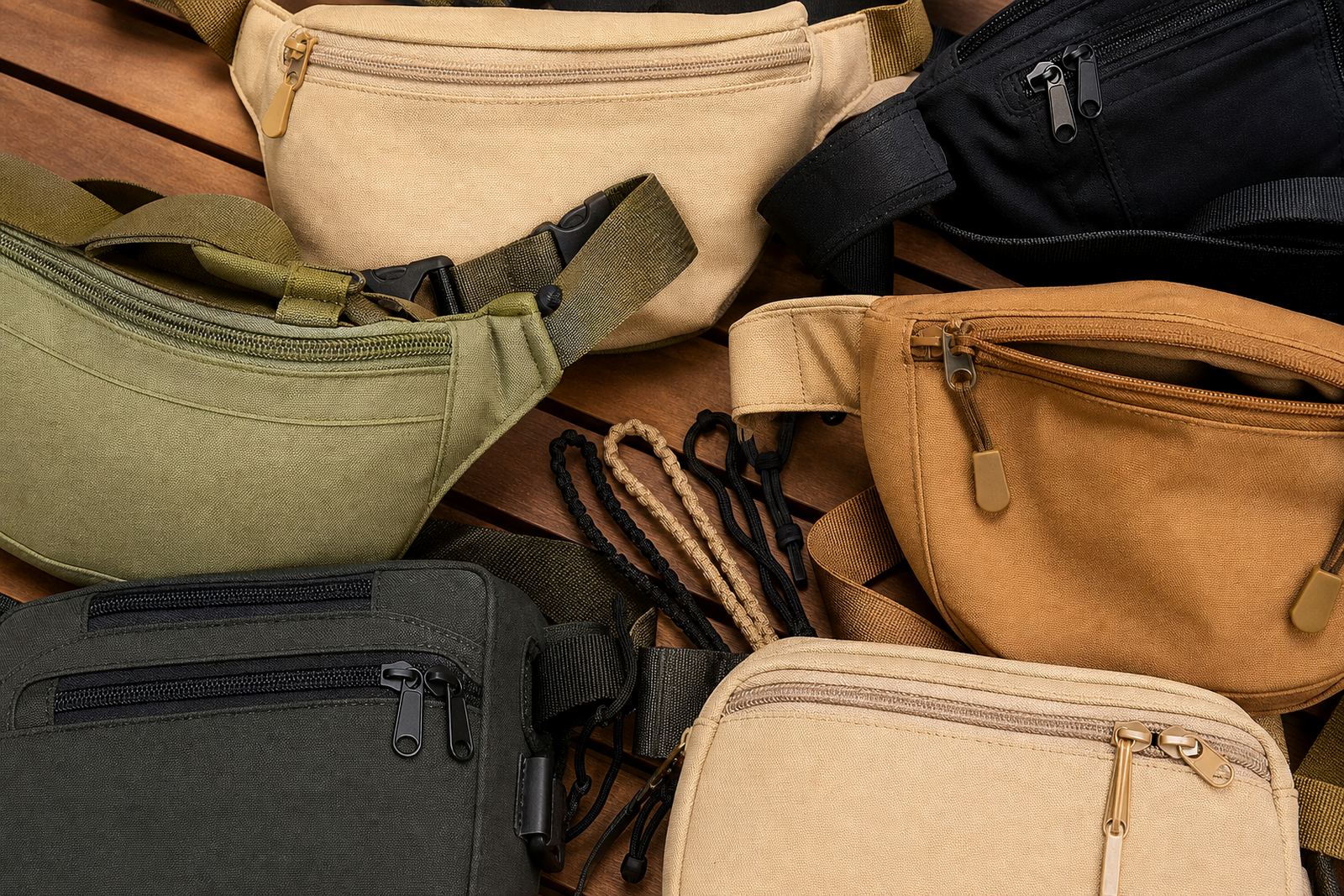
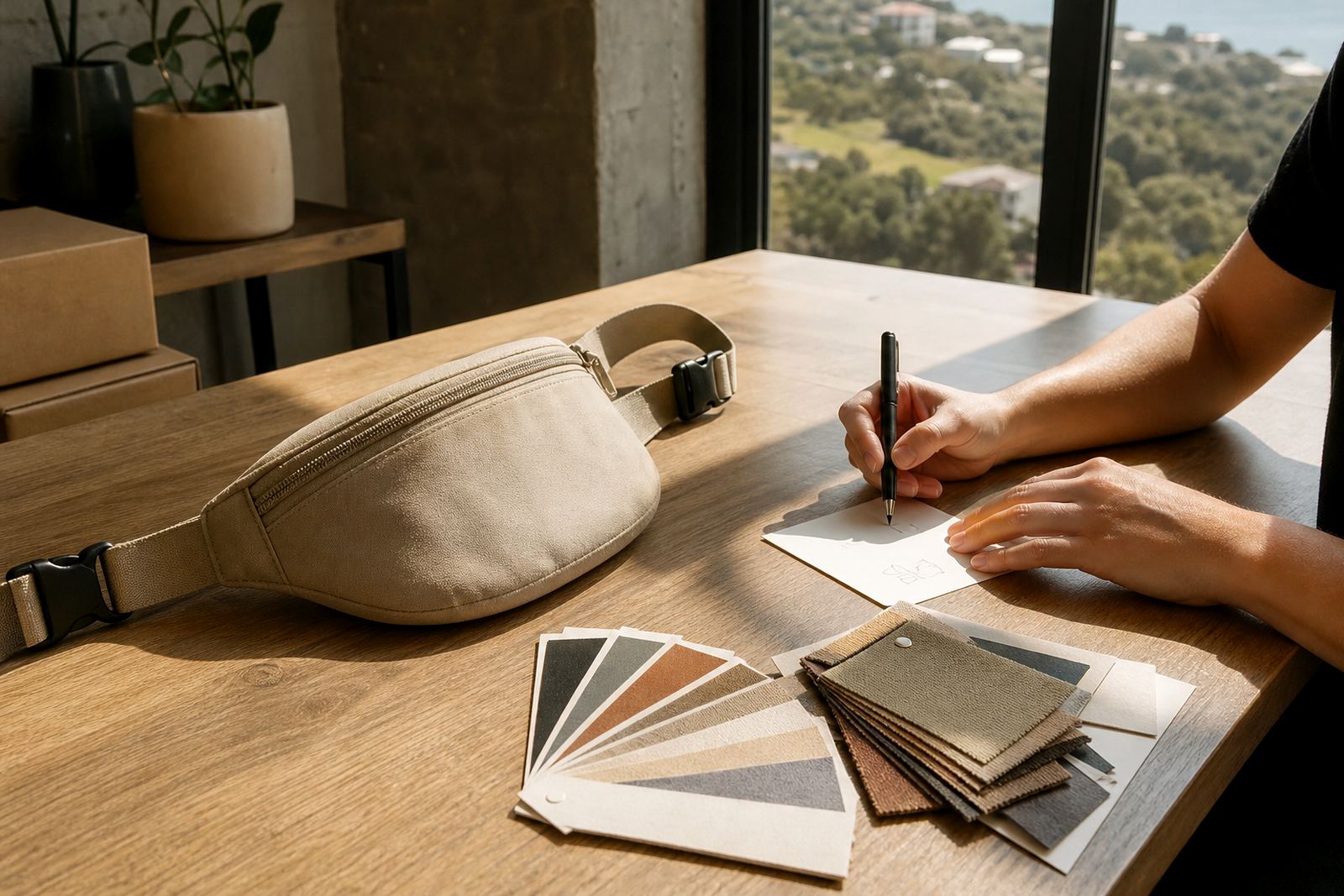
When a client is buying promotional bags for a launch, conference or year-end gift, the first sample is not just a nice extra. It is the point where size, finish and branding are checked against the actual use of the bag. A belt bag may look fine on paper, but once it is filled with brochures, a phone, keys and a small notebook, the strap length, zip opening and pocket depth all need to work together.
In South Africa, where corporate events can happen in packed exhibition halls, at outdoor activations or at venues with strict pack-in times, there is very little room for rework. A sample helps you spot issues early, before you commit to a larger run. It also gives you a fair chance to compare colour, stitching and logo clarity against your brand guidelines. That small step can save a lot of Rand later on.
What gets checked in a sample before approval
A sample review should be practical, not vague. The team approving it should know what the bags are for and who will use them. If the belt bags are meant for staff at a Johannesburg roadshow, the sample should be tested as a hands-free item that can carry ID cards, stationery and a phone. If they are going to clients at a Cape Town conference, the finish should feel neat and professional, with branding that reads clearly from a short distance.
- Logo size and placement on the front panel or flap
- Print sharpness, stitch count or deboss depth
- Zip movement and puller quality
- Strap length, buckle function and comfort
- Fabric weight, lining and internal pocket layout
- Colour match against the approved brand reference
- Packability for bulk dispatch and event handing out
These checks sound simple, but they prevent the most common complaints after delivery. A logo that sits too low, a strap that is too short for some users, or a lining that feels thin can all become problems once the order has landed. Better to catch those points on one sample than on 800 units.
How sampling reduces waste on larger promotional bag orders
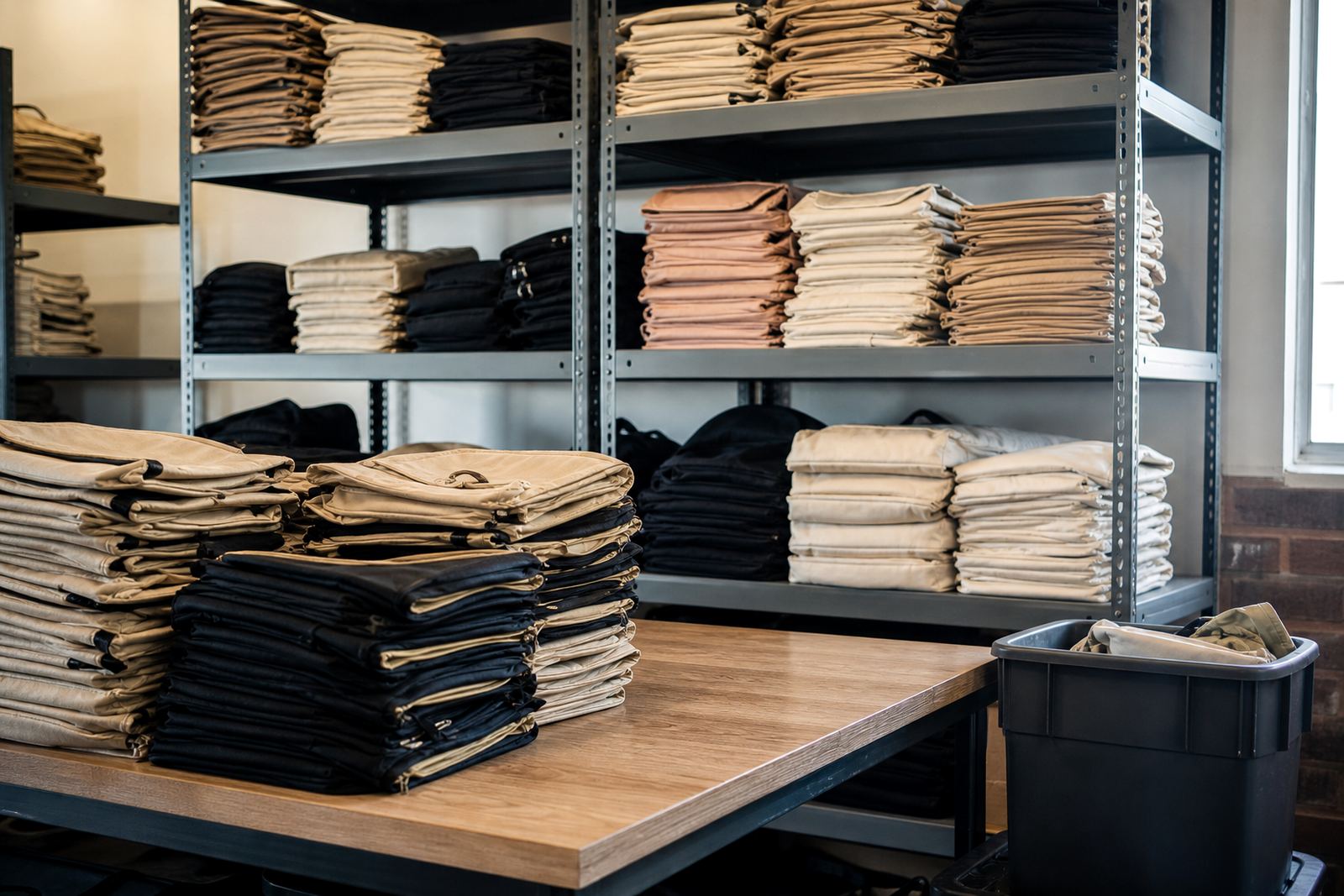
Large orders are where small mistakes become expensive. If the print is off-centre or the colour reads differently under venue lighting, the whole batch may need extra handling. In coastal cities such as Durban and Gqeberha, humidity can also affect how materials and packaging behave during storage and transport. Sampling gives the production team a chance to confirm that the chosen method suits the bag material and the local conditions it will face.
For example, heat transfer may be right for one fabric but not for another, while embroidery can look excellent on some panels yet pull the material if the base is too light. A sample lets the client and production team agree on the right finish before bulk work starts. It also helps with timing, because rush orders often leave very little margin for correction if something is missed. That is why a sample is not a delay, it is part of the control process.
- Less chance of rejected stock after delivery
- Fewer repeat setup costs on artwork or branding plates
- Cleaner handover for event kitting and split delivery
- Better confidence when ordering for multiple branches
A local example from Cape Town to the rest of the country
Think of a company based in Cape Town that is preparing a trade event with teams flying in from Pretoria, Durban and Gqeberha. The marketing team wants the belt bags to be handed out at registration, while the sales team wants a few extras for VIP clients. If the sample has not been checked properly, a small issue like a strap that sits awkwardly over a jacket can be missed until the event day. At that point there is no time to fix it.
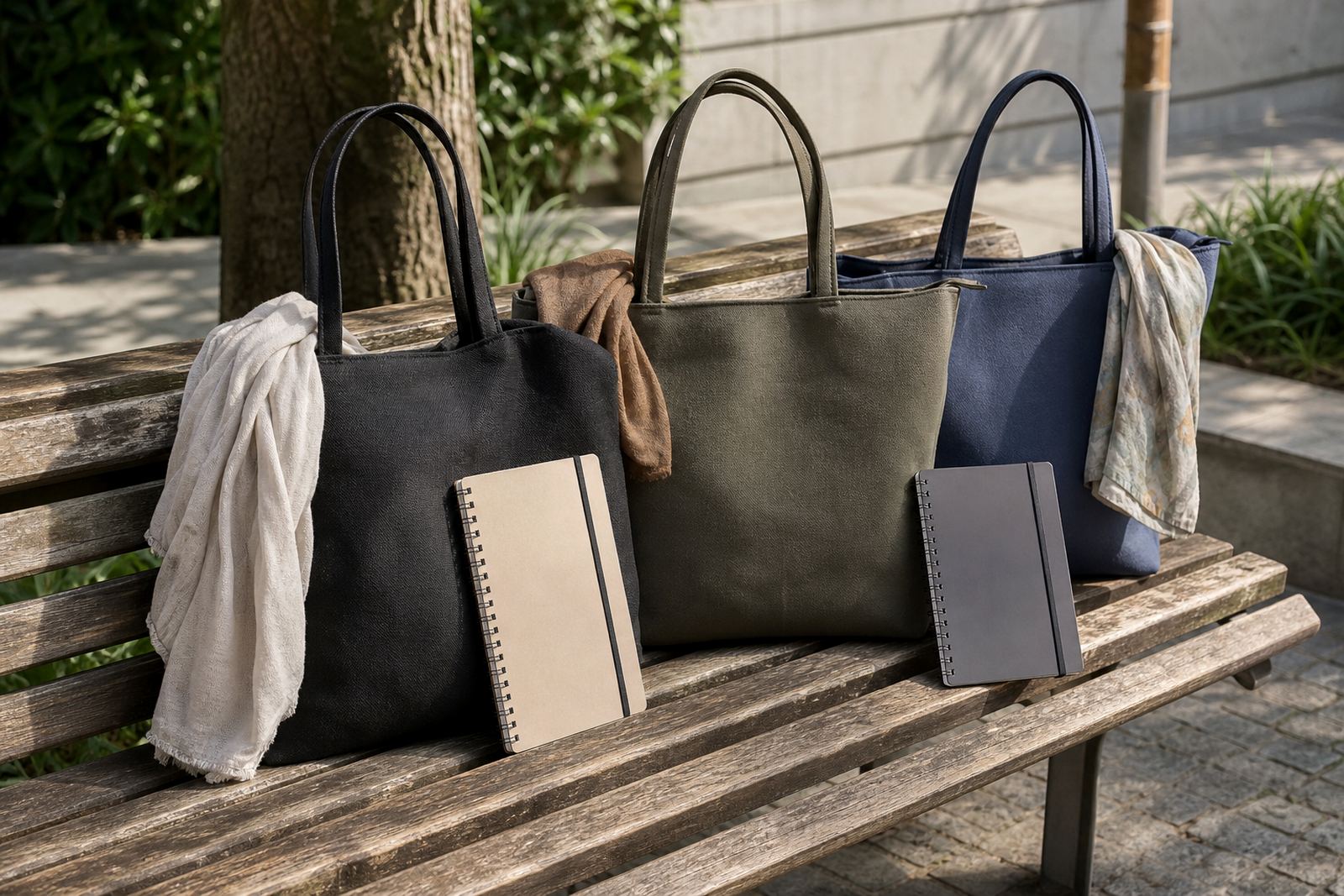
With a sample in hand, the client can check whether the bag looks right with the actual branded material, whether the zip opens cleanly, and whether the artwork still reads well when the bag is slightly curved. Even the feel of the fabric matters. A soft finish may suit one campaign, while a firmer body is better when the bag needs to hold its shape in a busy exhibition hall. A sample makes those decisions easier and far less risky.
Who should approve the sample inside your business
It helps to have the right people sign off before production starts. In many companies the marketing manager looks at brand accuracy, procurement checks cost and lead time, and the event organiser checks practical use. If all three are involved early, there is less back-and-forth later.
Keep the approval process simple and direct:
- Confirm the logo file and final artwork layout
- Check the sample against the intended user and event type
- Test the bag with the items it will actually carry
- Approve the colour and finish under normal indoor light
- Record any changes in writing before bulk production starts
This is especially useful when more than one office is involved. A sample sent for approval in Johannesburg may need the same sign-off standard as one going to Somerset West or Bellville. Clear notes prevent mixed instructions and keep the order moving.
What to ask for before you sign off
Before final approval, ask the supplier for a clear sample review. You want to know what method was used, whether the sample is fully representative of the final order, and if any part of it will change in bulk production. A good supplier will explain the difference between a proof sample, a pre-production sample and the finished batch.
Useful questions include:
- Is this sample made in the final material and colour?
- Will the branding method match the bulk order exactly?
- Are there any size tolerances we should allow for?
- Can the sample be used to test packing or event handout?
- What lead time applies after final approval?
When those points are clear, the approval becomes straightforward. That matters when you are ordering for a corporate event, because the real deadline is often the event date not the production date. A careful sample check keeps the order on track and gives your team confidence that the bags arriving in bulk will look and work as expected.