
Start with quantity bands, not a rough guess
When a corporate event needs 500, 2 000 or 10 000 bags, the first mistake is to treat the order like a small run. High volume work needs quantity bands, because each band changes the way we plan artwork, printing, packing and delivery. A 300 unit order can often move quickly, but once numbers climb, stock availability and production sequencing matter just as much as the design itself.
For campaigns across Cape Town, Johannesburg, Pretoria, Durban and Gqeberha, it helps to split the order into clear groups. That way the production team can confirm lead times, check materials, and decide whether the best method is screen printing, heat transfer, embroidery or debossing. If your event is in peak season, or you are supplying multiple branches, the earlier the quantities are locked in the easier it is to keep costs under control.
- Confirm the total quantity for the full campaign
- Split the order by branch, event day or delivery point
- Keep a small buffer for late registrations and replacements
- Approve one final spec sheet before production starts
Choose one artwork version and hold it steady
Consistency is what makes a large branded run look professional. If artwork changes halfway through a campaign, even small differences in logo size, colour or placement can become very obvious once the bags are in circulation. It is better to settle on one approved layout and use that across all cartons and delivery points. That saves time and avoids confusion at distribution.
Our artwork setup process is most useful when the brief includes the exact logo file, the required print size, and the position on the bag. If you are adding names, branch details or event references, those details must be checked line by line before the production file is signed off. A clean approval reduces rework, and rework is where budgets start slipping.
- Use one logo version for the full run
- Confirm Pantone references or colour matches where relevant
- Check spelling on all text, especially branch names
- Approve the sample before mass production begins
Match the bag type to the real use case
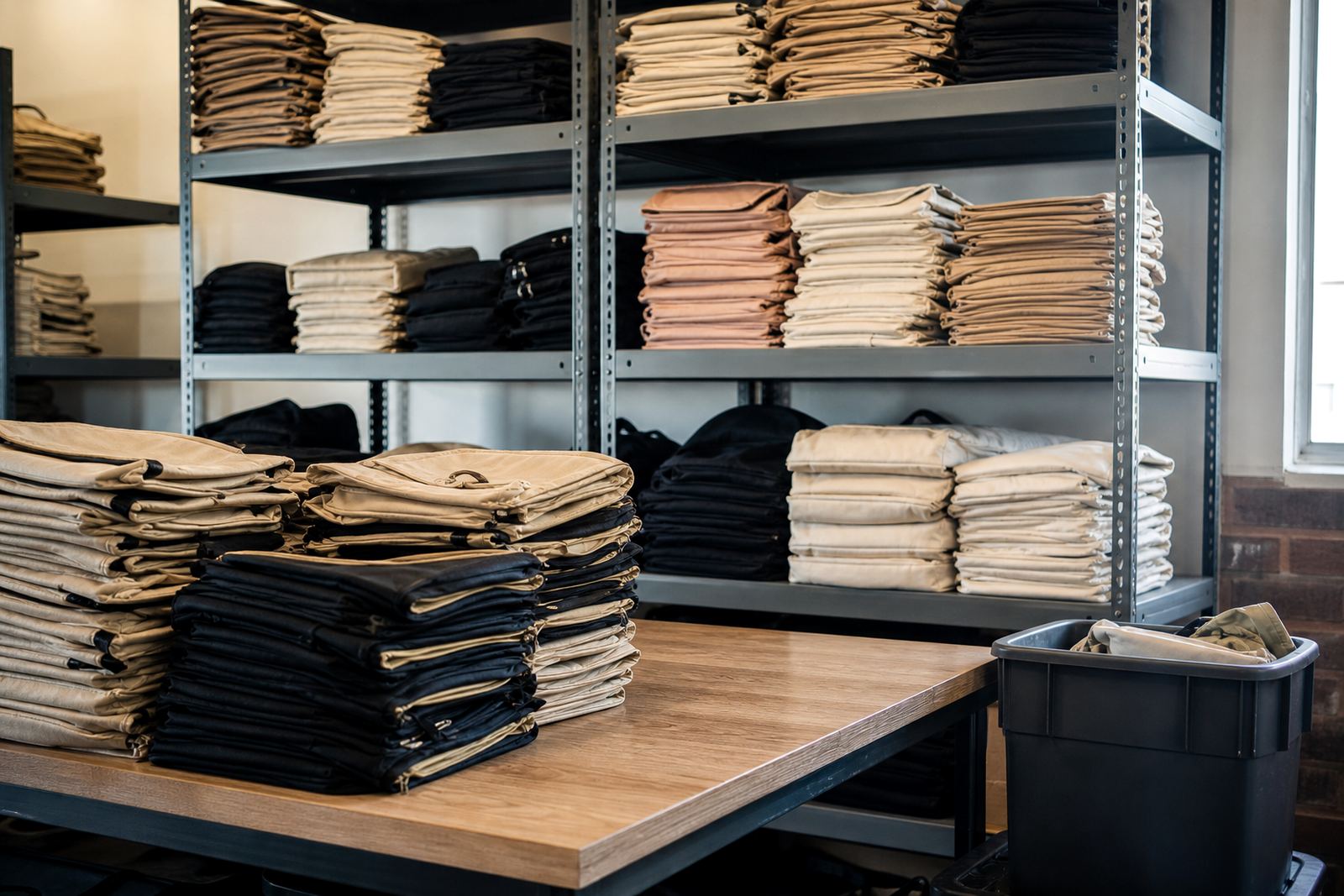
Not every campaign needs the same bag. For a conference pack that will carry notebooks, chargers and handouts, a belt bag may be ideal for staff gifts or delegate packs, while a larger promotional bag may suit product launches and open days. The right choice depends on weight, visibility, and how the bag will be used after the event. A bag that is too small gets left behind, while one that is too bulky may not be practical for daily use.
In humid coastal areas like Durban or Gqeberha, materials should be chosen with care because some finishes handle moisture better than others. In Gauteng, where many events are handled in office parks or outdoor venues, quick packing and easy distribution can matter more. For this reason we often recommend checking samples before placing a larger order, especially when the bags will be given to clients and senior staff.
- Think about weight, weather and carrying comfort
- Use sampling to compare finish, size and strap feel
- Choose a bag that suits the event rather than just the budget
Build the schedule around production and packing, not the event only
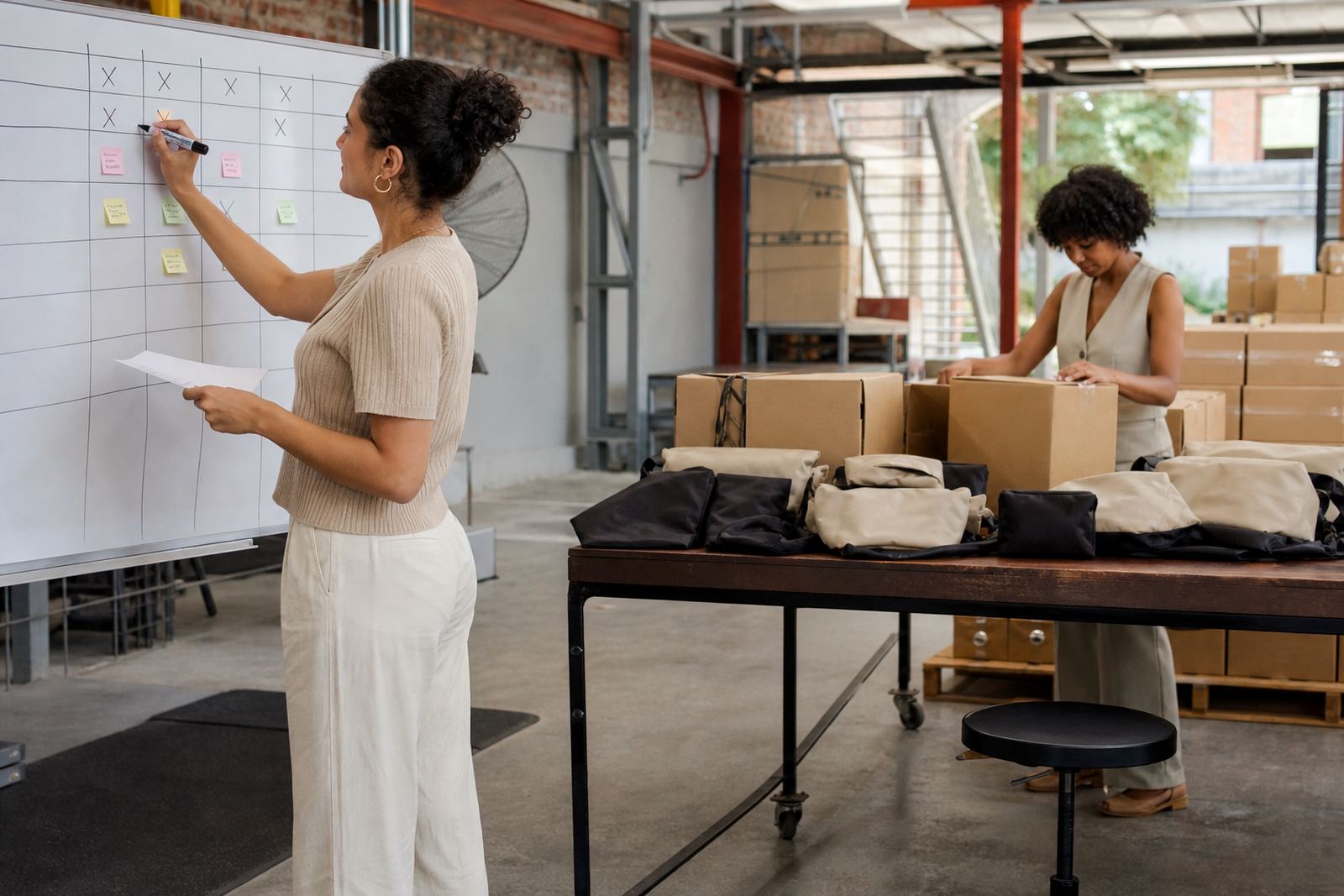
Large orders fail when everything is left too late. A sensible schedule works backwards from the event date and includes artwork approval, sample sign off, production, quality checks, bulk packing and delivery. If any of those steps are squeezed, the whole campaign becomes riskier. This is especially true when deliveries are going to more than one city or when split dispatch is needed.
At our Montague Gardens base, production and dispatch are planned in sequence so the packing stage does not become a bottleneck. That matters when a client wants one shipment to Cape Town, one to Johannesburg and another to Pretoria on the same week. Clear dates also help when load-shedding affects operating hours, because the team can plan around machinery use and finishing work, without rushing the last step.
- Work back from the event date by at least a few weeks
- Allow time for approval, sample checks and packing
- Keep delivery addresses complete and final
- Ask for rush orders only when the brief is already settled
Use split delivery for multi-city campaigns
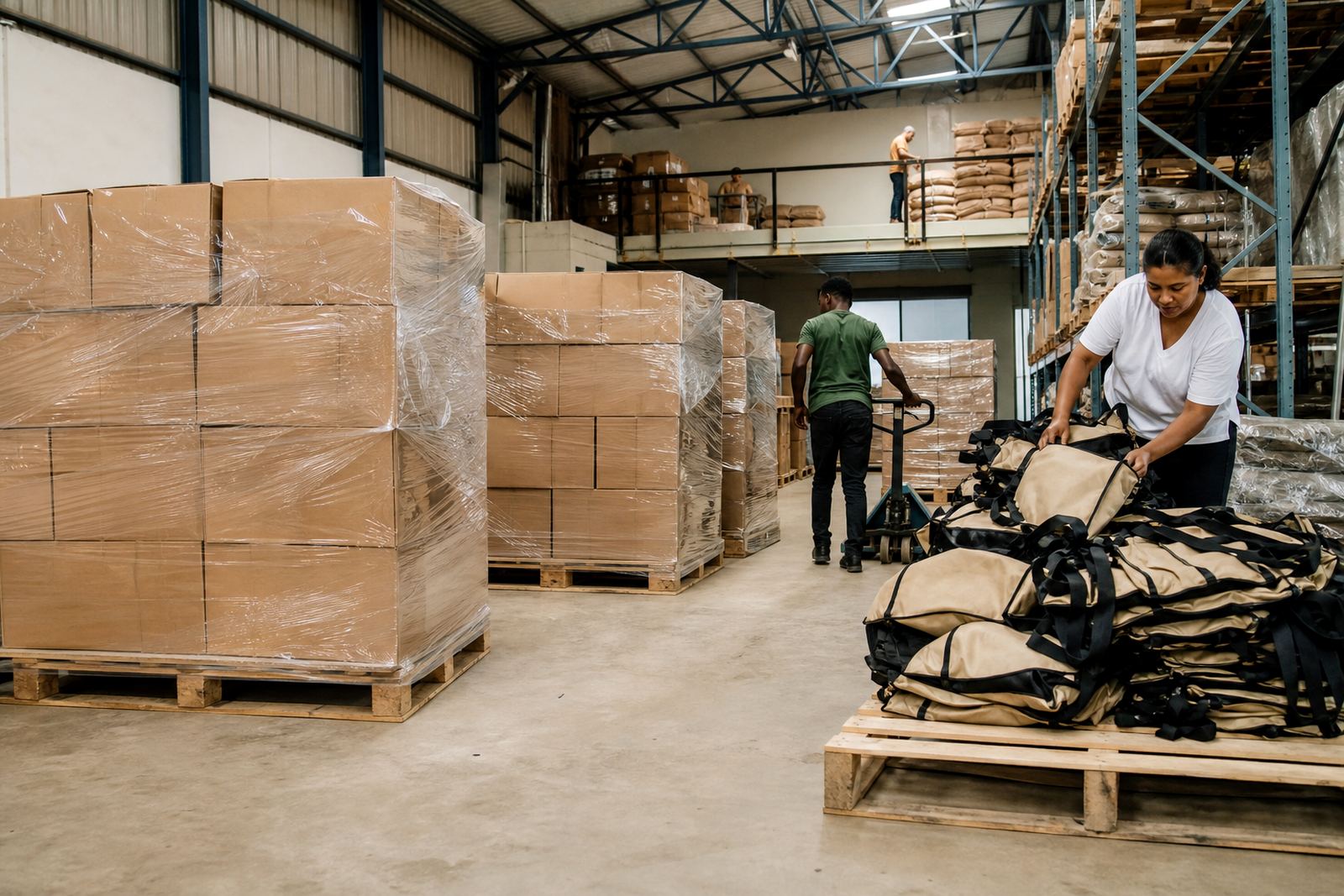
Many national campaigns do not need one central delivery point. They need parcels split by branch, region or event venue. Split delivery is useful when teams in Cape Town, Johannesburg and Durban all need bags on the same day, but each office has different receiving hours. It also helps when stock must be used at staggered events over several weeks. The key is to label each carton clearly and keep a delivery schedule that matches the distribution plan.
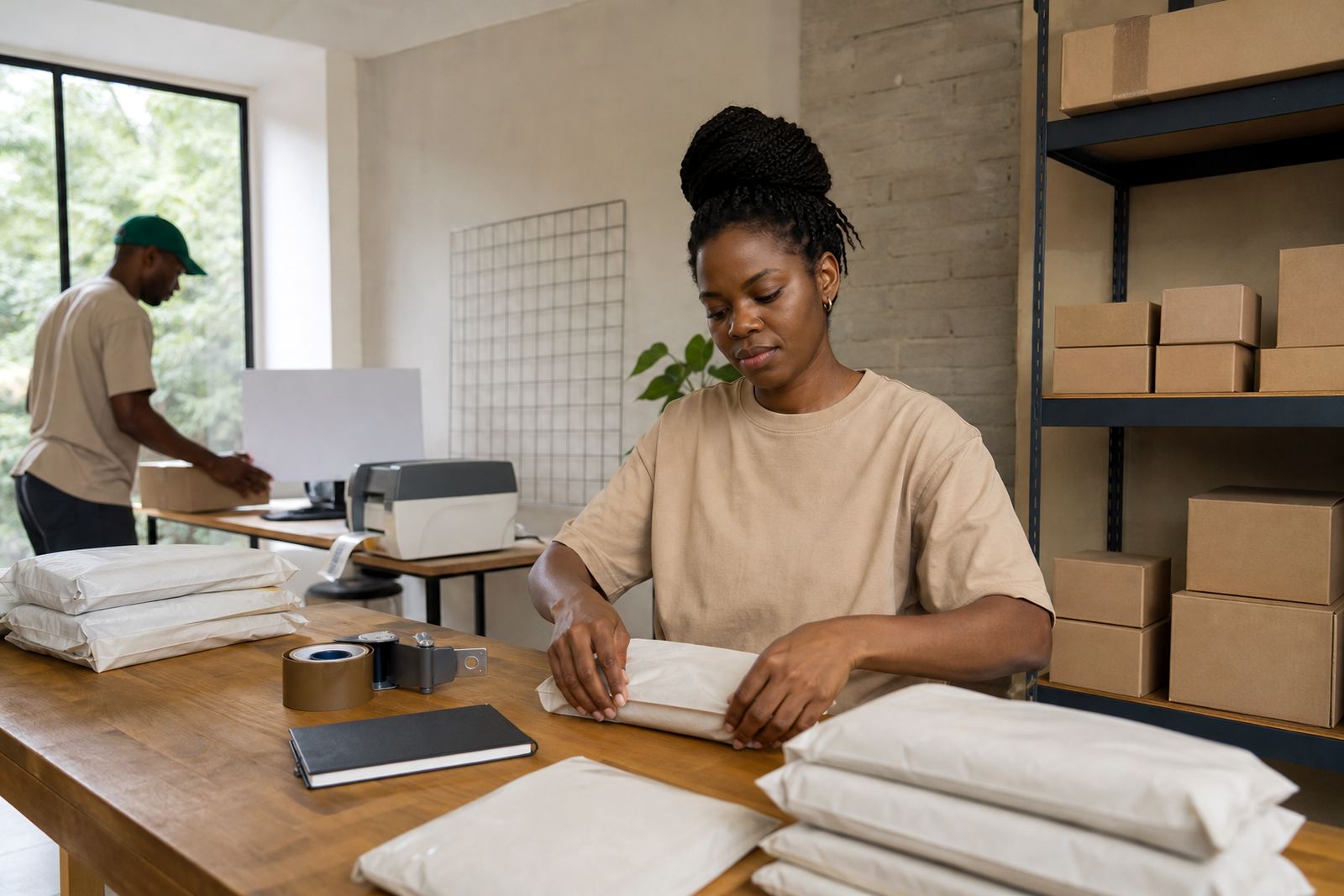
For larger rollouts, we also recommend event kitting and bulk packing so the packs are counted, sorted and sealed before dispatch. That reduces errors on site and saves your team from opening cartons and repacking under pressure. In one recent campaign for a Western Cape client, the order was split between Cape Town and Pretoria support teams, with a reserve carton kept aside for late registrations. It kept the handout tables moving and there were no last minute shortages.
- Label each branch or venue before dispatch
- Use bulk packing for faster handover on event day
- Keep a reserve quantity for replacements and late arrivals
Quality checks protect the brand when numbers climb
When the volume rises, quality control becomes more important, not less. A small defect on one unit is annoying. The same defect across 2 000 bags becomes a brand problem. That is why each run needs checking for print alignment, thread tension on embroidery, consistent colour, and tidy finishing. The packout team should also check zips, stitching and strap attachments before cartons leave the premises.
For corporate buyers, the value is not only in getting the order out on time. It is in knowing that every bag in the conference hall will look the same and represent the business properly. If there is a problem, it must be caught before dispatch, not after the handout. That is why we keep a clear sign off trail and a final count against the approved order. It sounds simple, but it prevents a lot of waste and a lot of awkward conversations later on.
- Check print position and colour on finished units
- Inspect stitching, zips and straps before packing
- Count cartons against the approved quantity list
- Keep one contact person responsible for final approval