Start with the reason for the bag, not only the logo
Before you choose names, colours or a slogan, decide what the bag must do at the event. A leadership summit in Cape Town may need clean name placement for introductions, while a roadshow in Johannesburg may need role labels for quick checking at registration. If the bag is for a client handover, the aim may be to keep the item useful after the event ends, so the personalisation should feel neat and practical, not overdone.
For corporate work, the best results usually come from a simple message hierarchy. First the brand, then the person or team, then the campaign line if there is space. That order keeps the bag readable and useful from a few metres away, which matters when people are moving through venues, airports or expo halls. In humid coastal areas like Durban, it also helps to keep the layout uncluttered so stitching, print and trims stay clean in daily use.
- Use the front panel for the main name or logo.
- Keep event dates small so the bag can be reused later.
- Choose one clear message rather than three competing lines.
- Match the placement to the bag shape, zip line and pocket layout.
Names and roles make welcome packs feel organised
Adding individual names is one of the easiest ways to lift a welcome pack. It turns a plain order into something that feels prepared for the person receiving it. For internal teams, naming bags helps with check-in, workshop seating and end-of-day pack down. For clients, it creates a better first impression and reduces mix-ups when several people receive similar items.
Role-based personalisation is just as useful. Instead of printing every name, you can group bags by function: speaker, delegate, exhibitor, media, or operations. This works well for large events where the team needs to move quickly through handover points. It also helps when split deliveries are going to different branches or event venues, because the packing list can follow the same logic as the print layout. A small typo on a role can cause confusion so artwork checks matter quite a bit.
- Use names for VIP packs, speaker gifts and small internal runs.
- Use roles for larger conferences and staff onboarding.
- Keep surnames off the bag if the design must stay compact.
- Check spelling twice before production starts.
Campaign themes work best when they stay short
A themed message can help a bag feel tied to a launch, staff conference or sales campaign. The strongest versions are usually short enough to read quickly. Think of a two or three word line that captures the mood of the event without crowding the bag. Longer phrases can look heavy and may not suit a small belt bag or compact promotional carry bag.
For example, a Western Cape tourism roadshow might use a line that speaks to travel and movement, while a finance or tech event may prefer a neat slogan that sounds professional and calm. Colour matters here too. A dark bag with light print often reads better in bright indoor venues, while a lighter bag can work well for summer activations and outdoor team days. If the event runs over load-shedding hours, simpler layouts are also easier to produce consistently because fewer passes and fewer moving parts are involved.
- Keep the campaign line under five words where possible.
- Use campaign colours only if they still match the brand.
- Test the wording on the actual bag size before you approve it.
- Leave space for names or department labels if needed.
Choose the right method for the material and use
Not every personalisation method suits every bag. Embroidery can add texture and a clean finish on fabric bags, while screen printing works well for bold logos and larger batches. Heat transfer is useful when you need more detail, smaller lettering or a mix of colours. Debossing can suit certain synthetic materials where a subtle mark is preferred. The best choice depends on the bag fabric, the print area, and how the bag will be handled after the event.
For a bag that will be used daily by staff, strong placement and good thread or print coverage are important. For a one-day event item, visual impact may matter more than heavy wear resistance. Sampling helps here because it shows how the logo, name and background colour work together. It also lets you compare a full-size version with a smaller version before the final run begins, which saves time and avoids disappointing reworks.
- Embroidery suits fabric bags that need a more finished look.
- Screen printing is practical for clear logos and larger quantities.
- Heat transfer works well for detailed names and short runs.
- Debossing gives a subtle result on suitable surfaces.
Think about packing, splitting and delivery before print starts
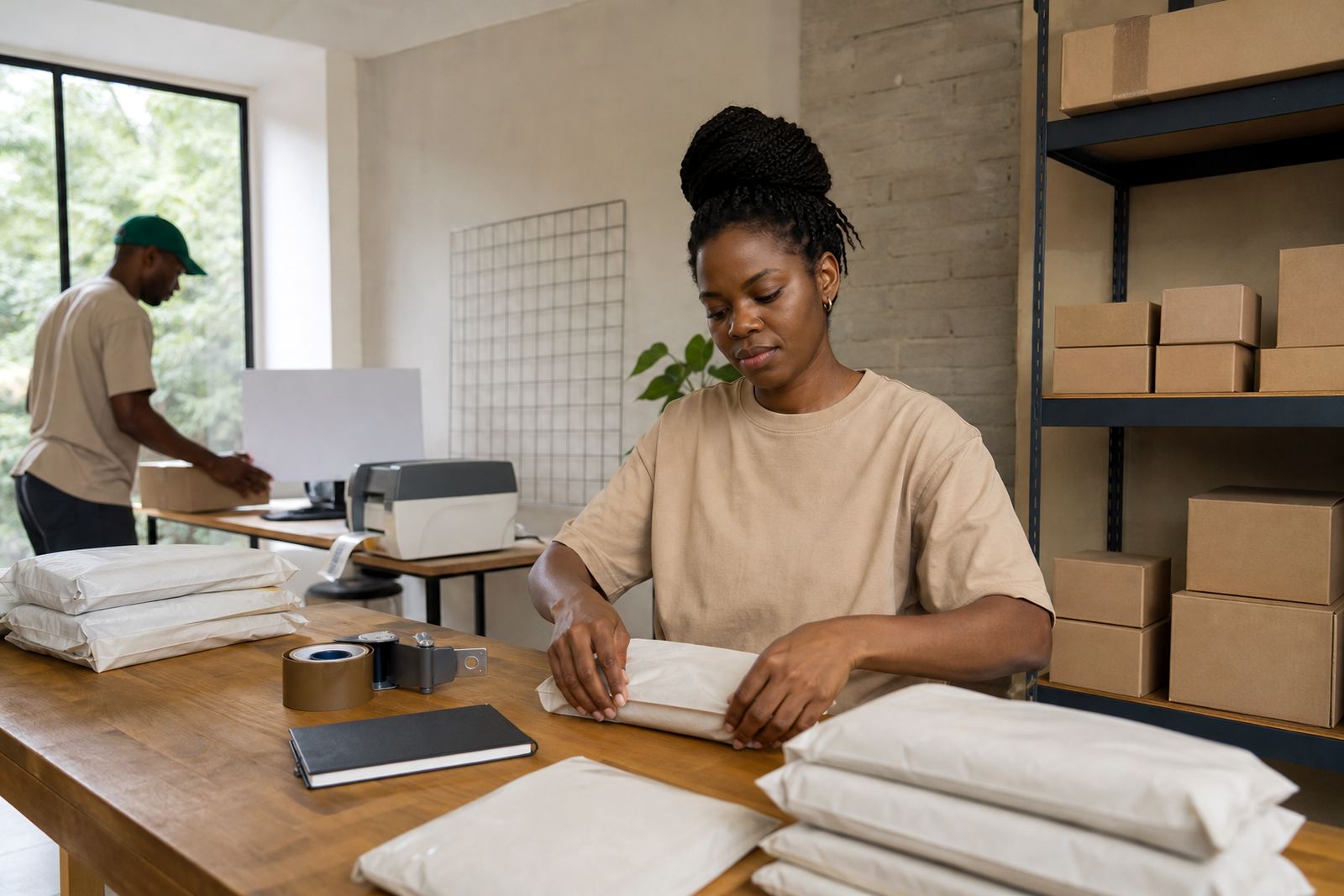
Personalisation becomes much easier to manage when the packing plan is set early. If a business needs packs split between Cape Town, Pretoria and Gqeberha, the artwork and labels should follow the delivery list from the start. This reduces handling errors and makes dispatch faster. It also helps when event kits need to be packed by department, by venue or by customer tier.
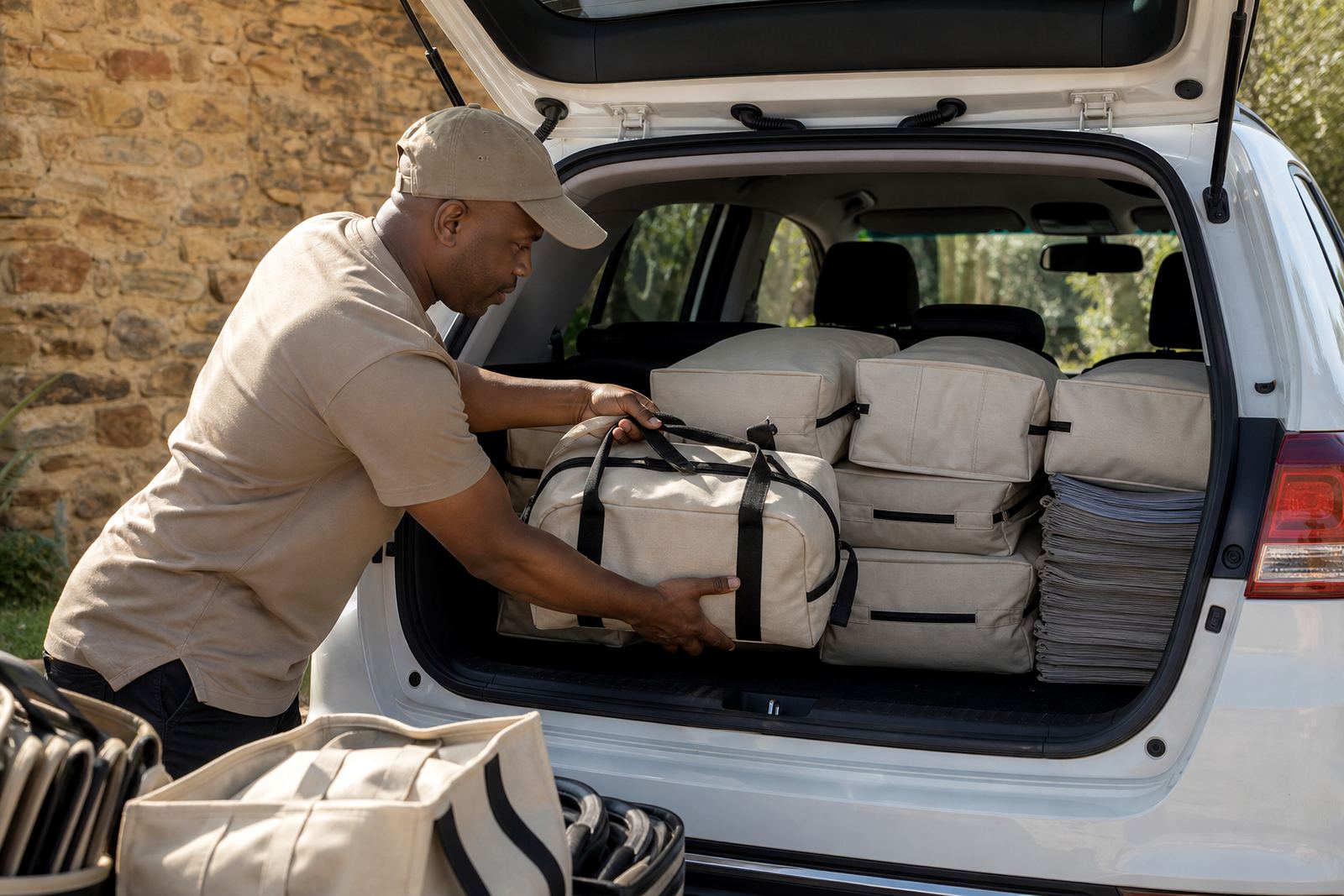
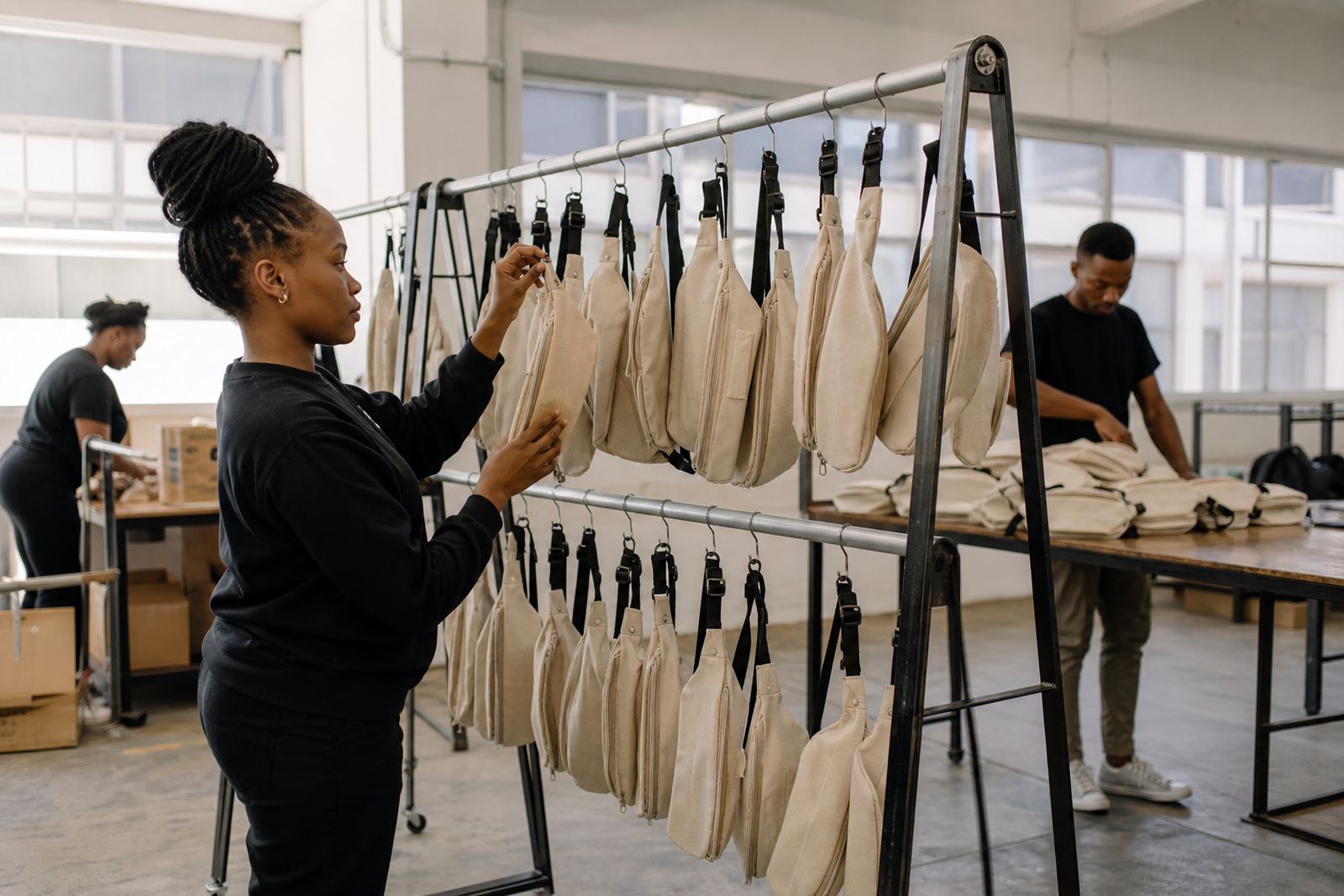
Bulk packing is especially useful for larger campaigns because the bags can be counted, checked and grouped before delivery. If the order has mixed personalisation, like names for a few speakers and a campaign line for the rest, the production team needs a clear sort order. That is where accurate artwork setup and quality checks save time. The process should be practical and simple, not a last minute scramble at the loading bay in Montague Gardens.
- List every delivery point before artwork is approved.
- Separate named bags from general stock in the packing plan.
- Use clear labels for each branch or venue.
- Allow time for final checks before dispatch.
A local example: a Cape Town summit with mixed bag needs
A Cape Town company hosting a two-day summit for 180 guests might order three types of personalised bags. Speakers receive bags with their names and titles, delegates get bags with the event theme, and staff receive bags marked with their department or role. The result is tidy at registration and useful after the event because each person can tell their bag apart without opening every zip pocket.
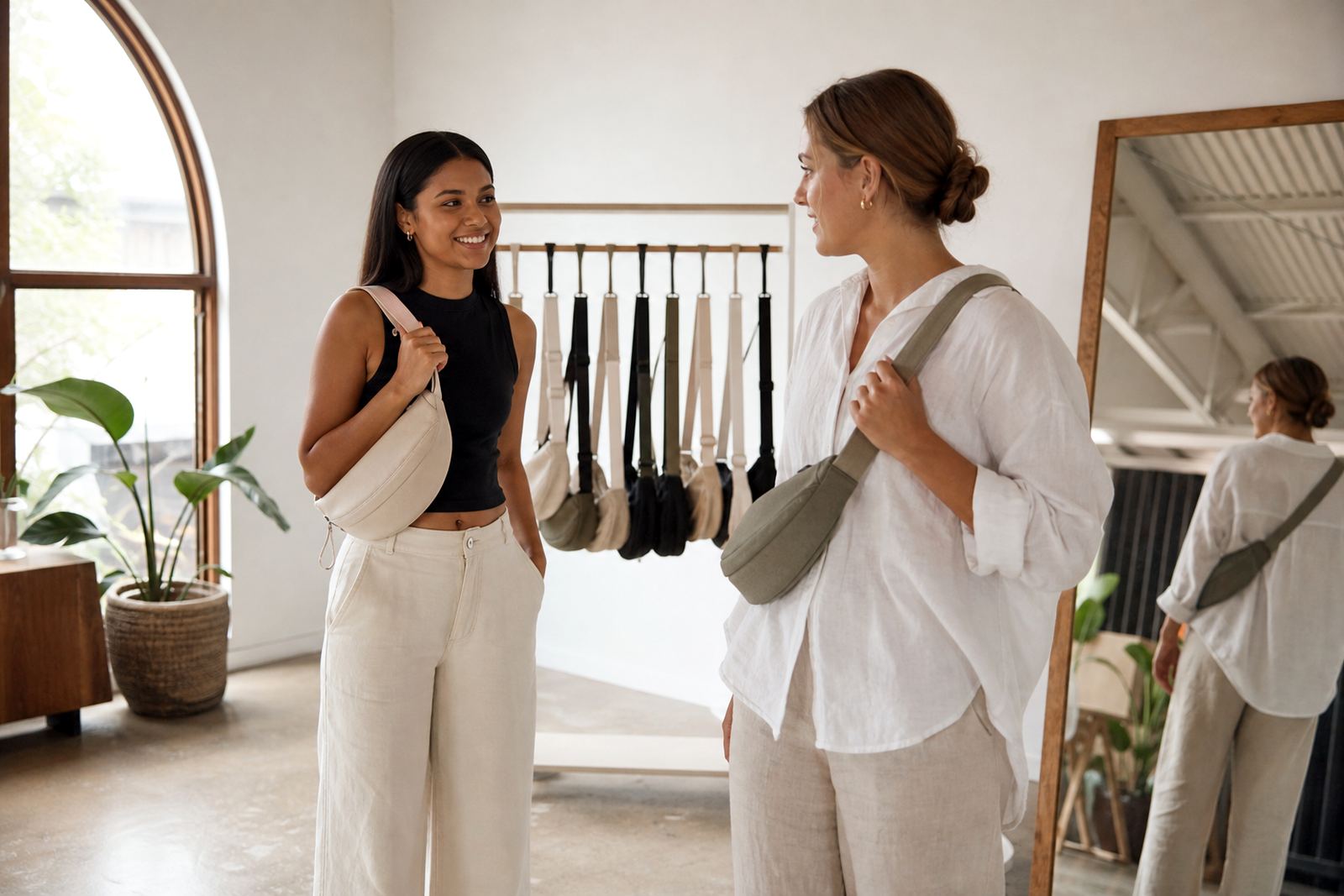
For a setup like that, the team could use a belt bag for speakers, a larger promotional bag for delegates and a practical carry bag for operations staff. The print on each one does not have to be identical. In fact, slight differences can improve the experience as long as the overall identity stays consistent. A well planned order also helps with rush orders when the venue changes or the guest list grows close to the date. That happens more often than people like to admit, so flexibility matters.
When personalisation is done properly, it supports the event instead of adding extra admin. The bag becomes part of the welcome, the workflow and the memory of the day.