
What a Sample Pack Bag is used for in South African campaigns
The Sample Pack Bag is made for short-run campaigns, launch kits and welcome packs where presentation matters as much as practicality. It is a branded bag that holds brochures, samples, vouchers, small gifts and note cards in one tidy pack. For companies sending out product drops across Cape Town, Johannesburg, Pretoria, Durban and Gqeberha, it gives a cleaner finish than loose items in a box or plastic carrier.
Because it is built around a simple carrying format, it suits both in-person handovers and courier delivery. Teams use it for trade shows, sales visits, training days, media mailers and customer thank-you packs. The bag can be printed or finished to match your campaign colours, and it works well when you want a consistent look across a team of packs without making each one expensive.
In coastal areas such as Cape Town and Durban, the bag also helps protect items from light moisture during transport. In humid conditions, a closed, well-packed sample kit is neater than open presentation sleeves. It is a practical option when you need brand visibility but also want the contents to arrive in good order.
Sizes, finishes and branding options that suit your pack
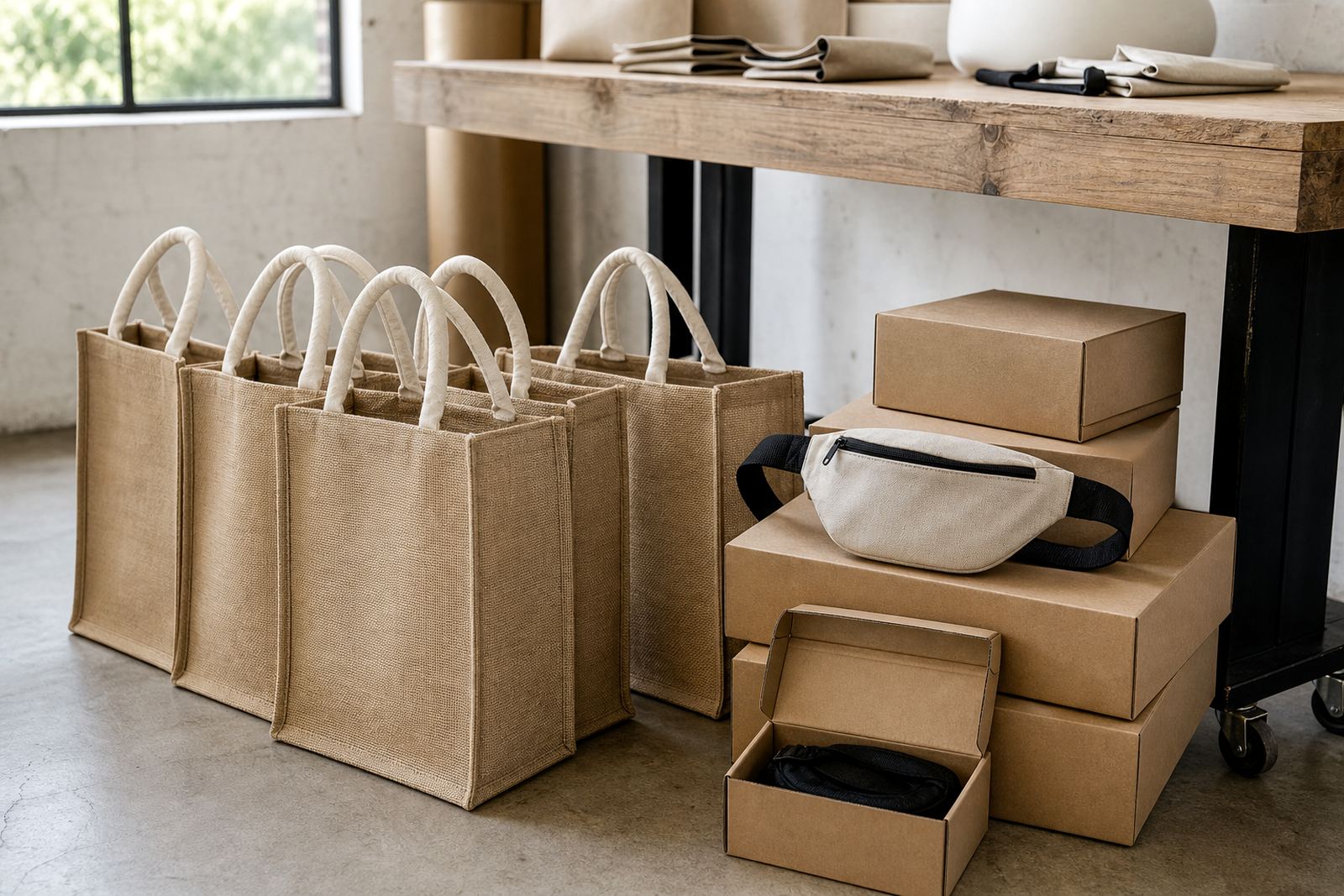
Sample Pack Bags are usually supplied in compact carry sizes that suit brochures, folded garments, sachets, product cards and small boxed samples. Common formats include flat bags, gusseted bags and zipped carry styles, depending on how much you need to fit inside. The right size depends on the height of your inserts and whether the bag must stand upright for display or stack neatly for dispatch.
- Small format: suitable for cards, sample sachets and slim media packs
- Medium format: suitable for brochures, small boxes and mixed promotional items
- Gusseted format: better for fuller kits and items that need extra depth
- Zipped or closeable option: useful when contents must stay together in transit
- Printed finish: for logos, campaign names and key brand messaging
- Plain base with branding panel: useful when you want a cleaner, lower cost result
Branding methods include logo printing, screen printing, heat transfer, embroidery for certain fabric styles, and debossing on suitable surfaces. Artwork setup is important because small bags need clean spacing and good contrast. If your logo has thin lines or small text, it is worth checking readability at the actual size before production starts.
Where this bag suits best in your campaign plan
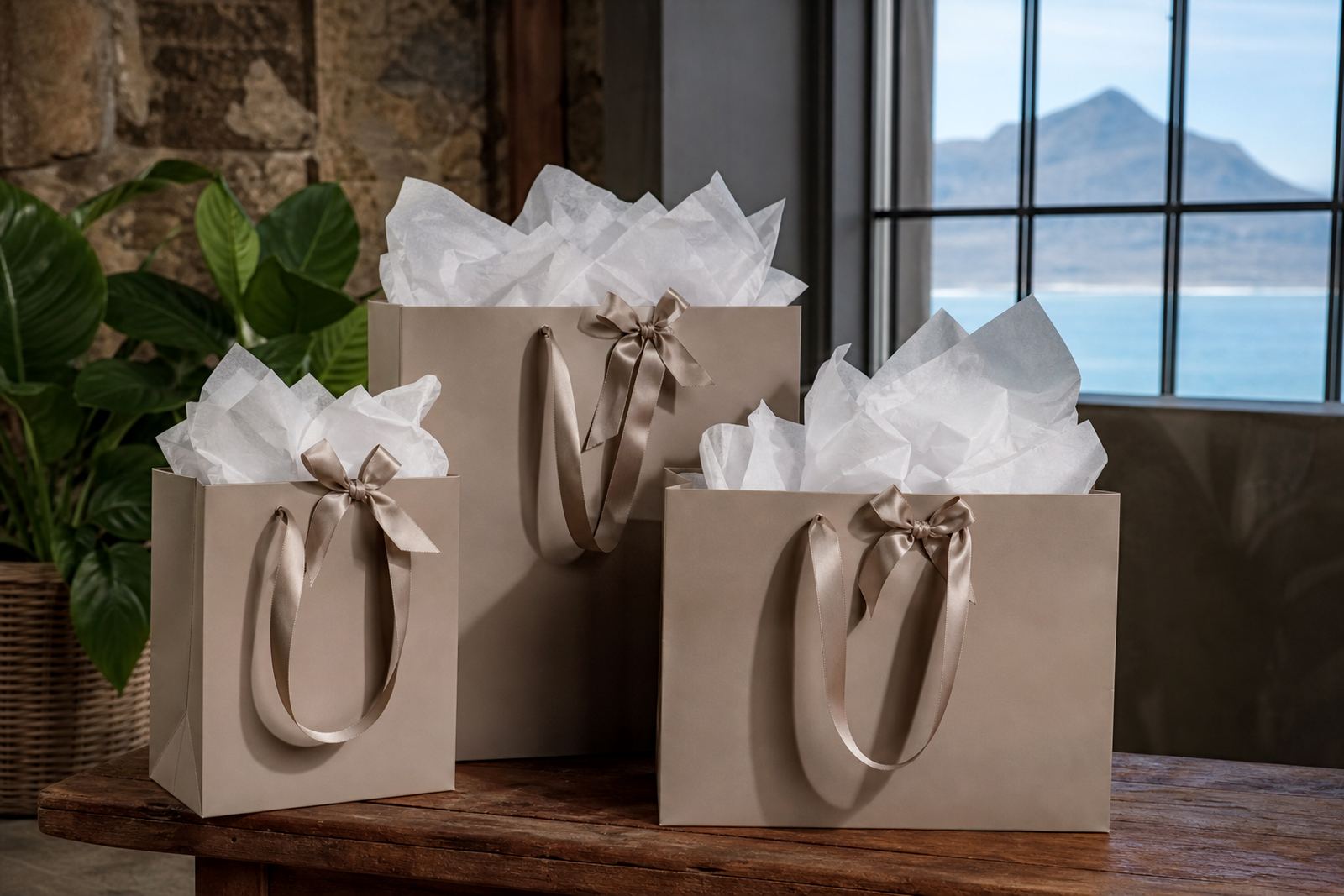
This product suits almost any situation where a team needs to hand over items with care. It is often used for product launches, corporate events, roadshows, sales incentives, conference packs and client onboarding. If your staff are meeting people in hotels, offices, expo halls or retail spaces, the bag keeps the handover organised and professional.
It also works well for distributed campaigns where packs are split between branches. With support across Montague Gardens, Bellville, Somerset West and supply into other major centres, the same pack can be kitted for different areas without losing consistency. That matters when one campaign has to land in different towns on the same date, or when separate teams are handling delivery and setup.
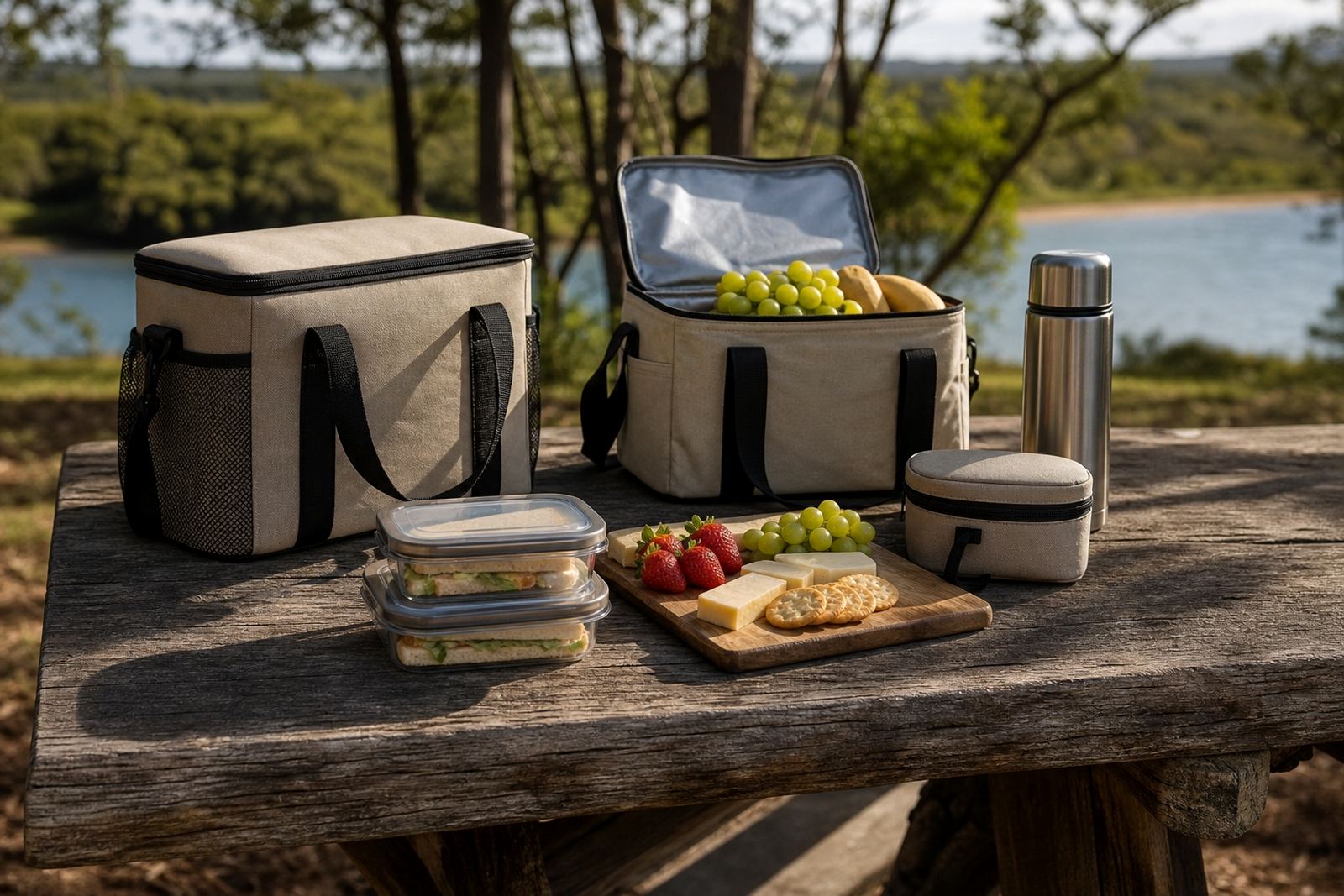
For outdoor activations and summer events, choose a material and closure that can handle transport in warm conditions. For premium client gifting, select a cleaner finish and consider internal packing so the contents sit straight. If you are sending samples to sites where items will be opened later, the bag should be sturdy enough for repeated handling, not just for the first handover.
Installation, packing and any power or gas needs
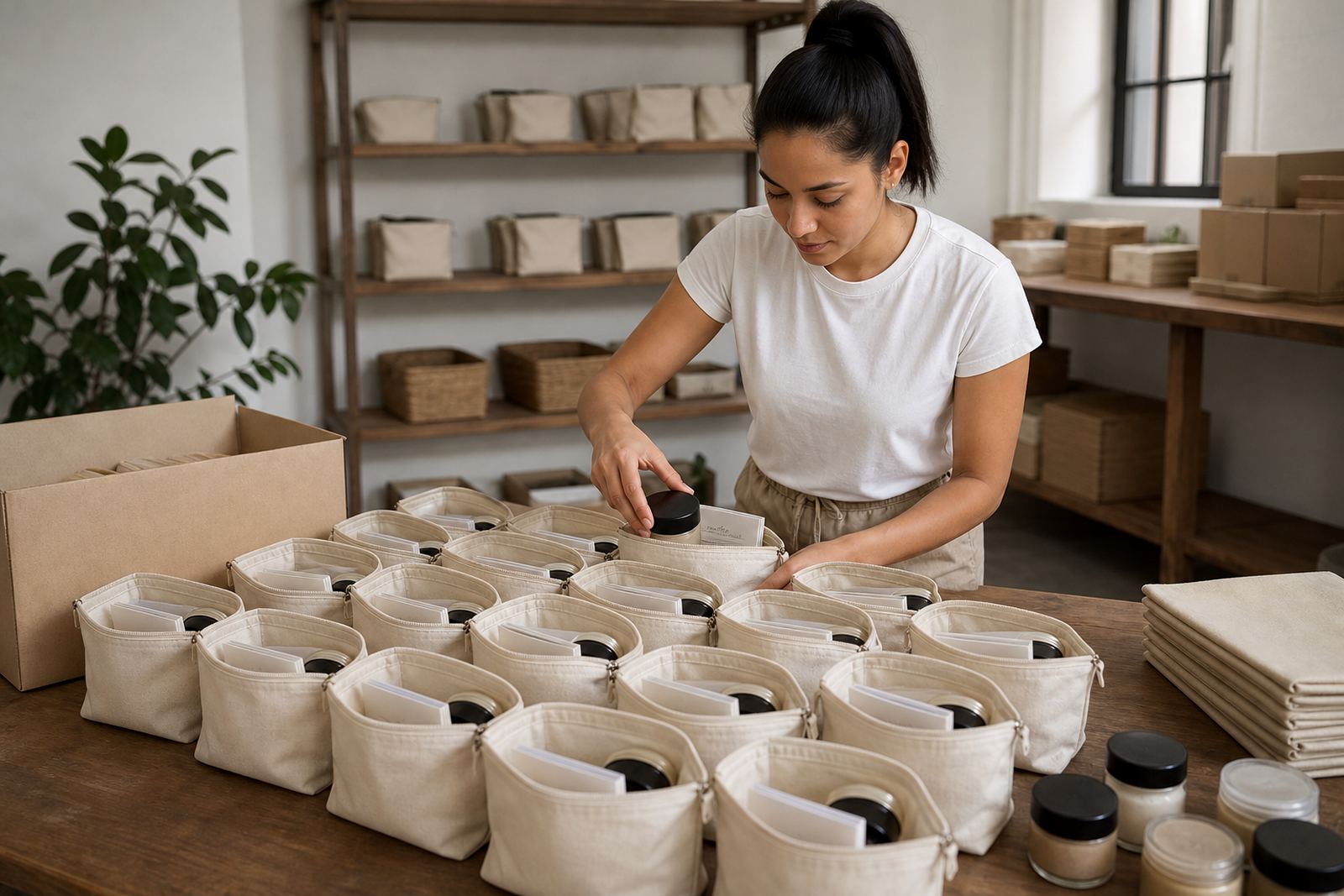
There is no installation requirement for the Sample Pack Bag itself, and no power or gas needs. What matters is the packing method. If the bag is being used as part of a larger event kitting process, it should be filled on a clean table with enough space for sorting, checking and sealing. In a busy production run, a clear layout helps avoid mixed inserts, bent brochures and missed items.
For larger orders, event kitting can include product counting, inserting, labelling and split delivery by region. That is useful when one campaign needs a portion delivered to Cape Town and the rest sent to Johannesburg or Durban. If packs are going out during load-shedding periods, manual packing remains straightforward because no powered assembly is required. The main task is quality control, not machinery.
- Keep printed surfaces dry while packing
- Use flat, clean tables to avoid scuff marks
- Check quantity before sealing each pack
- Store completed packs in a cool, dry room
- Avoid overfilling, which can distort print and shape
If your event venue has its own rules for deliveries, loading bays or access times, plan your pack counts and dispatch times in advance. That is especially important for corporate sites in central business areas where security and reception processes can slow handovers.
Care, storage and servicing between campaign runs
Sample Pack Bags are usually low maintenance, but they should be handled properly if you want them to keep their finish. Store them away from direct sun for long periods, especially if the print includes strong colour blocks. In coastal humidity, keep stock in sealed cartons or covered shelving so the material does not pick up dampness before packing day.
For reusable bag styles, surface cleaning should be gentle. A soft cloth and mild soap are normally enough for marks on outer surfaces, but avoid harsh chemicals that may damage print or stitching. If the bag has embroidery or a textured finish, rubbing too hard can affect the appearance. Repeated use is fine when the bag is made with the right weight and sewn with neat edges.
When a campaign finishes, keep a small sample aside for future reorders. That makes it easier to match colour, size and branding placement on the next run. If bags are being stored for a later launch, check the cartons for dust, compression and moisture before reissuing them. A quick inspection saves trouble on event week, especially when timelines are tight and the pack must be ready for dispatch without delay.
What to check before placing your order
Before ordering, confirm exactly what must go into each bag and how the final pack should look. The bag itself is only one part of the job. A clear brief helps with costing, turnaround and packing accuracy. If you are sending a mix of samples and printed material, list each item with its size, quantity and any special handling notes.
- Final bag size and whether it must fit A4, A5 or boxed items
- Preferred material, colour and closure type
- Print position, number of colours and logo files available
- Whether the order is for handout, courier or both
- Pack quantities by city or branch
- Need for rush orders, split delivery or sampling first
It also helps to decide whether you need a plain sample first or a finished production sample. For branded items, artwork approval should be checked carefully because small corrections are easier before printing than after. If your campaign is going to multiple sites, confirm who receives which count and which packs need to go where. That keeps the process simple and avoids short deliveries at the last minute.
For corporate teams, a Sample Pack Bag gives structure to the whole drop. It protects the contents, supports the brand and makes the handover feel organised rather than improvised.
Key facts
| Product type | Custom-branded promotional sample bag |
|---|---|
| Typical use | Product launches, welcome packs, media drops and event kits |
| Size range | Small, medium and gusseted formats by contents |
| Branding methods | Logo printing, screen printing, heat transfer, embroidery, debossing |
| Power or gas | None required |
| Service options | Artwork setup, product sampling, bulk packing, split delivery and rush orders |