

What a cotton tote is and why teams keep using it
A cotton tote is a reusable open-top bag made from woven cotton fabric, usually with stitched handles and a roomy main compartment. It is used for brochures, product samples, notebooks, packed lunches, market items and conference handouts, so the branding stays in circulation after the event ends.
For South African campaigns, cotton works well because it is light, folds flat and handles regular use without needing special care. It also suits offices, schools, activations, retail counters and community events where people need a practical carry bag, not something that gets tossed out after one use.
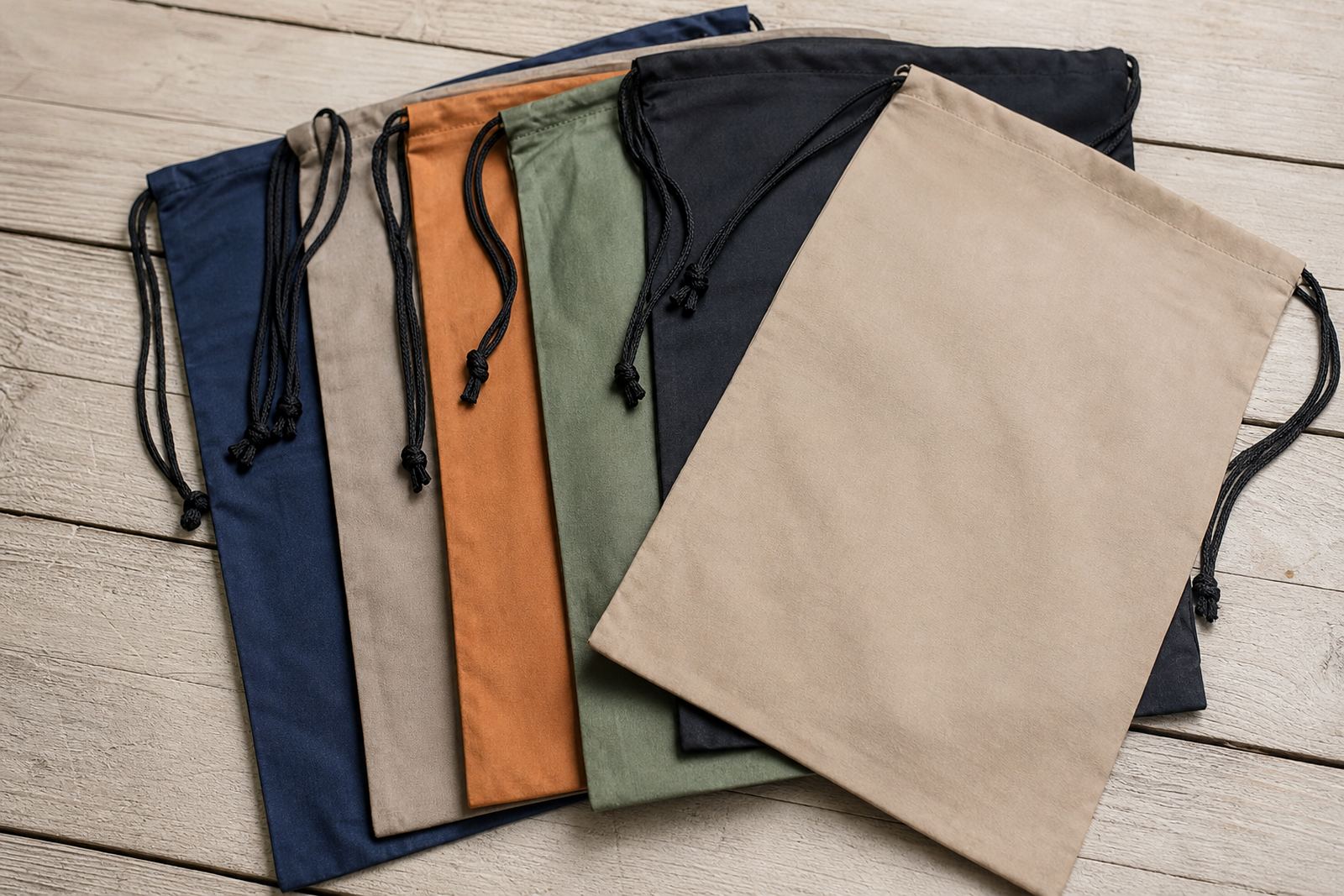
- Natural, black, navy, red and other solid colour options may be available depending on stock
- Can be supplied plain or branded with screen printing, heat transfer or embroidery
- Suitable for giveaways, delegate packs, trade shows and in-store promotions
Sizes, handles and print areas to look at
Most cotton totes are made in standard carry sizes, with enough room for A4 documents, catalogues and everyday items. The most common shapes are flat totes and gusseted totes. A flat tote is neat and simple, while a gusseted version gives extra depth for bulkier items like drink bottles or event packs.
Handle length matters more than many buyers expect. Short handles sit neatly in the hand, while longer handles can be worn over the shoulder. If you are packing for a conference in Sandton or a staff induction in Bellville, a longer handle often makes the bag easier to use across a long day.
- Common bag size: about 35 x 40 cm
- Common gusset depth: 8 to 12 cm
- Typical handle drop: 25 to 30 cm for shoulder carry
- Branding area usually depends on the bag cut and handle placement
Where cotton totes work best
These bags suit events where you want repeat exposure without giving away something heavy or expensive to transport. They are often used for corporate conferences, exhibition stands, training sessions, product launches and client handovers. In Cape Town and Durban, they are also a practical choice for coastal humidity because they dry quickly after light cleaning and do not need special treatment.
They are also useful for retail shops, estate agencies, schools and membership drives. A cotton tote becomes part of the daily routine, so your brand gets seen at the office, on the train, at the gym or in the school parking lot. That kind of use is often better value than a one-time printed flyer.
- Corporate events and delegate packs
- Promotions, exhibitions and roadshows
- Retail packaging and customer giveaways
- Staff welcome packs and internal campaigns
Branding methods that suit cotton fabric
Cotton takes branding well, especially when the logo has clear lines and solid colour blocks. Screen printing is often the best choice for larger quantities and simple logos. Heat transfer works well for finer detail or multiple colours, while embroidery gives a stitched finish that feels more formal on smaller logo placements. If the artwork needs prep, our artwork setup process helps get the file ready before production starts.
For bulk orders, print position and bag colour should be agreed early. Dark bags need stronger ink contrast, and natural cotton can show the weave of the fabric, which is normal. If you want a cleaner logo edge, a thicker print area or heavier cotton stock may be the better option. Small alignment shifts can happen on soft fabric, so it is worth checking artwork carefully before sign-off.
- Best for one-colour logos, event marks and short slogans
- Suitable for front print, side print or both sides depending on layout
- Embroidery is suited to compact logos and premium packs
- Mixed packs can be split by branch or event date for easier distribution
No installation, no power and no gas needed
A cotton tote does not need installation, electrical supply or gas connection. It arrives ready to fill, stack and distribute. That makes it easy to use in venues with strict load-shedding schedules, temporary event setups or spaces where power is limited. There is nothing to mount, calibrate or connect, which keeps logistics simple for procurement teams and event coordinators.
What does matter is packaging and distribution planning. If you are ordering for a national rollout, split delivery can help send stock to Cape Town, Johannesburg, Pretoria, Durban and Gqeberha without holding everything in one warehouse. For larger activations, event kitting and bulk packing keep each tote filled the same way, so every delegate receives the same pack.
Care, storage and servicing between campaigns
Basic care is simple. Most cotton totes should be spot cleaned with a damp cloth and mild soap, then air dried. Avoid harsh bleach because it can fade both the fabric and the print. If the bags are used for repeated events, store them flat in a dry area away from damp walls or direct sun. In inland areas that see dust and dry heat, this helps keep the fabric looking neater for longer.
If you are ordering for a long campaign, ask for quality checks before dispatch. That gives time to catch uneven print, loose stitching or colour variation before the bags leave the warehouse. It is also worth keeping a few spare units aside for replacements, because event packing rarely goes exactly to plan and a small buffer saves trouble later.
- Spot clean only unless the product notes say otherwise
- Air dry flat to avoid shrinking and fabric distortion
- Store in a cool dry place with low dust exposure
- Check seams, handles and print before issuing to staff or clients
What to check before placing your order
Before you order, confirm the bag size, fabric weight, handle length and branding method. If you are comparing options for a conference in Pretoria or a retail launch in Gqeberha, think about what the bag will carry. A thin tote may be fine for paper handouts, but a heavier pack needs stronger fabric and better stitching. Also check whether you need plain stock, branded stock or mixed packs with different logos for different regions.
It helps to know your quantity split, lead time and artwork status upfront. If the order is for an event with a fixed date, ask about rush orders as early as possible. That way production, sampling, print approval and dispatch can be lined up without last minute changes. And if your colours are important, request a sample or proof so the final result matches the rest of your campaign materials.
- Confirm bag dimensions and gusset depth
- Check fabric weight and stitch strength
- Approve logo position, print size and colour match
- Plan quantity split for different branches or events
- Allow time for artwork setup and final checks
Key facts
| Product type | Reusable cotton tote bag |
|---|---|
| Common sizes | Approx. 35 x 40 cm, with 8 to 12 cm gusset options |
| Handle styles | Short hand carry or longer shoulder carry handles |
| Branding options | Screen printing, heat transfer, embroidery |
| Care | Spot clean with mild soap, air dry |
| Power or gas needs | None required |