A logistics brief built around movement and timing
The client was a regional logistics and distribution team based in Gqeberha, with staff travelling between depot visits, client meetings and a two-day industry meet in the city. Their request was simple enough on paper, but the details mattered. They needed a functional crossbody bag that could carry essentials, show the company logo clearly and hold up through daily use in a busy coastal environment.
The main brief was to keep the bag compact but useful. It had to fit a phone, notepad, pens, power bank, event cards and a small water bottle or travel item. The team also wanted the bags to look sharp enough for a formal event, while still suiting field staff after the meet. Because the order was for multiple departments, the branding had to be neat and consistent across every piece.
We were asked to work within a tight lead time and to plan for split distribution. That meant part of the order was needed for the Gqeberha event team, while the balance had to be packed for follow-on delivery to Johannesburg and Pretoria offices. With load-shedding affecting production schedules and freight timing, the whole job needed clear sign-off points and careful stock control.
Why a crossbody bag worked better than a bulkier tote
The team did not want a large promotional bag that would be left in a vehicle or pushed aside after the event. A crossbody style made more sense because it kept hands free, stayed close to the body and was comfortable during travel between venues. In a windier coastal setting like Gqeberha, that mattered more than expected. Bags that hang open or swing around can be a nuisance in car parks, loading bays and outside venues.
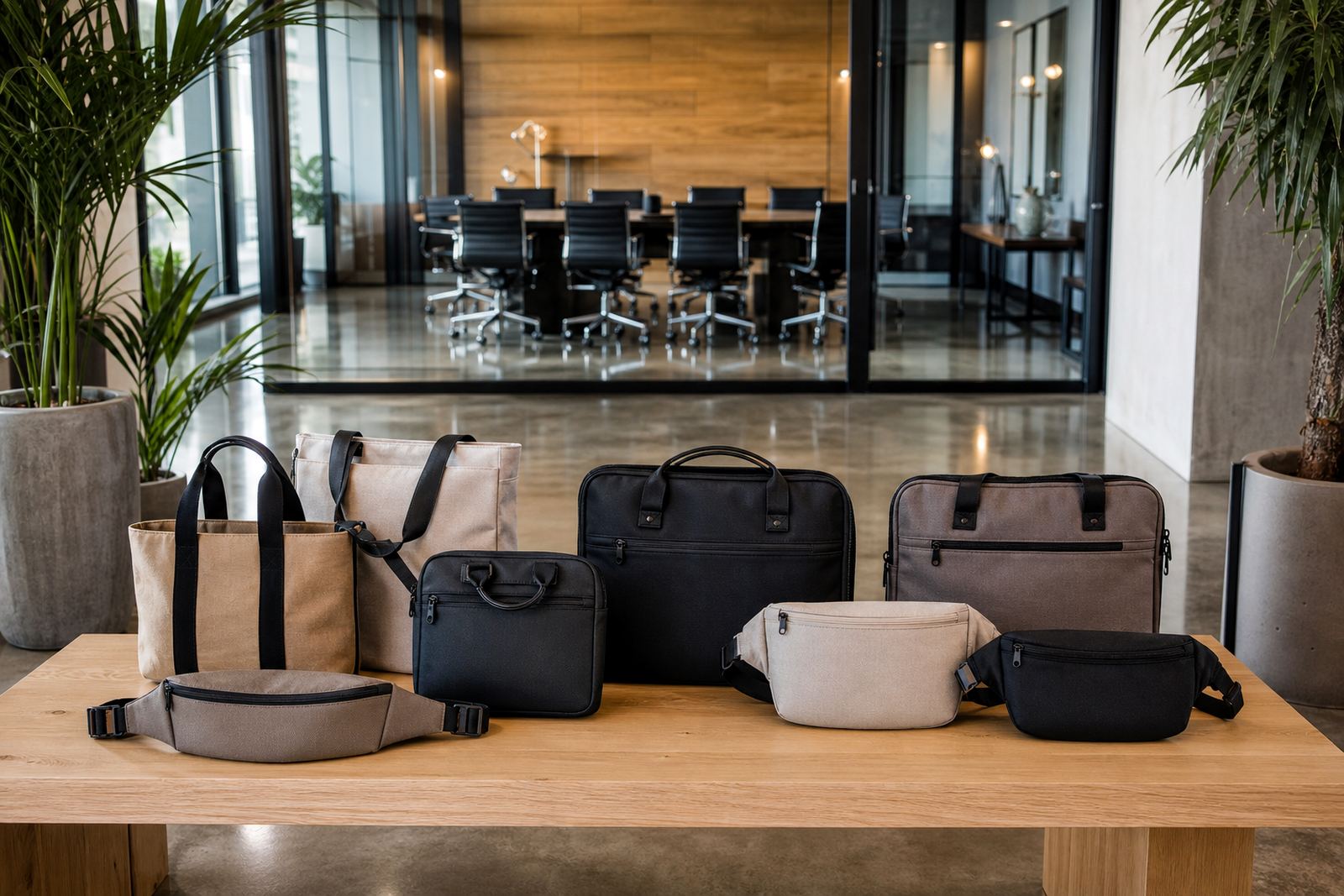
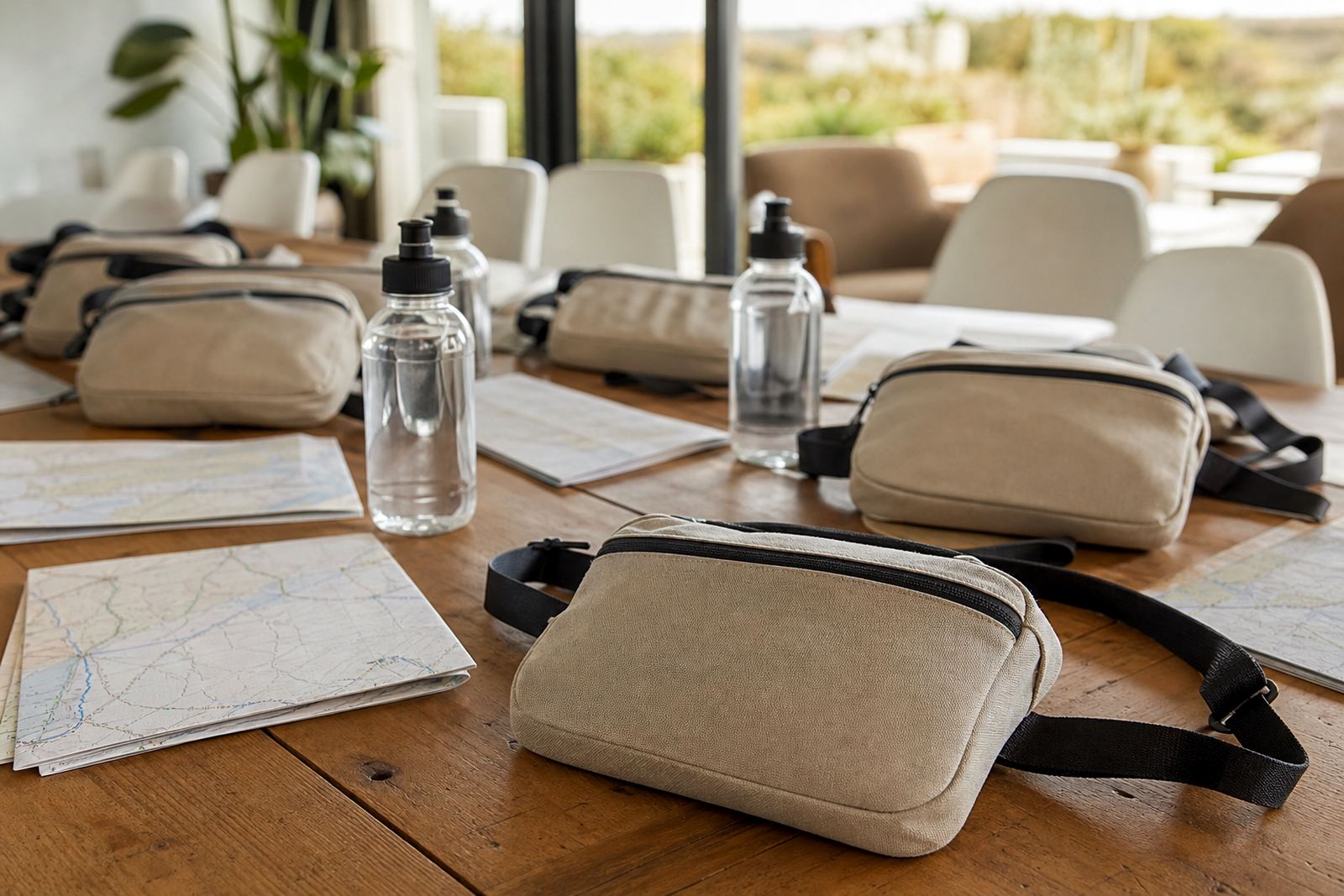
We recommended a medium-sized crossbody bag with a single adjustable strap, a main zip compartment and a front pocket for quick access. The bag body was chosen in a dark neutral colour so the branding stood out, and the surface was suitable for clean logo application. The client wanted a practical item first, then a promotional one second, which is the right way round for most corporate giveaways really.
We also discussed usage after the event. A lot of branded bags only work on the day they are handed out. This one had to work for site visits, training sessions and travel days after that. The client wanted something that would not look too busy, so we kept the artwork position controlled and used a single strong logo placement instead of covering the bag with too much print.
Artwork, samples and production checks before full run
Once the brief was confirmed, our artwork and branding specialist prepared the logo layout for approval. The client wanted the company mark readable from a short distance, but not oversized. We set it for a balanced front-panel application and checked spacing against the zip line and pocket seam so the branding would sit flat and tidy. That small step saves a lot of grief later.
A sample pack was arranged for sign-off before the full run. The client reviewed the bag size, strap length, zip action and finish, and then checked how the logo appeared in natural light. This mattered because event lighting and office lighting can give a misleading view of print colour. In Gqeberha, where humidity can affect stored stock, we also made sure the packing plan kept each unit protected before dispatch.
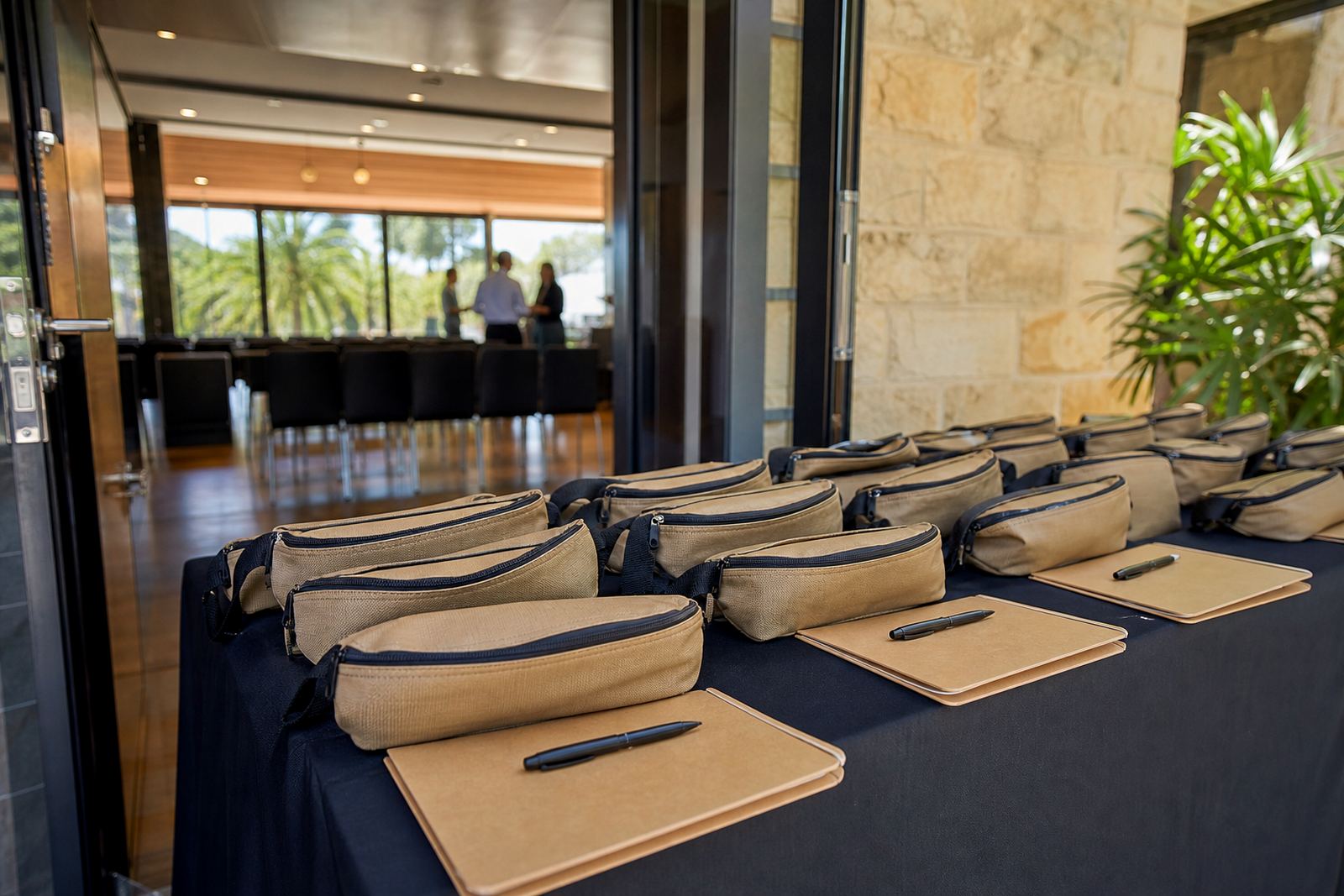
Production moved ahead after approval, with quality checks at two points. First, we checked branding alignment during application. Then we inspected the finished bags for stitching, zip movement, strap clips and overall presentation. The client wanted the bags to arrive ready for issue, not needing any sorting on site, so every carton was packed in a fixed count for easy handover.
A four-week timeline with split delivery planning
The project ran over four weeks from brief to final handover. Week one covered the enquiry, product recommendation and artwork setup. Week two was sample approval and any small adjustments requested by the client. Week three covered branding and full production. Week four was packing, dispatch and delivery coordination across regions.
The schedule had to work around stock movement and transport windows. We kept the client updated at each stage so they knew when approvals were needed and when cartons would leave Montague Gardens. That sort of planning matters on orders that involve more than one city, especially when different teams want stock on different days. It is easy for a good order to become a messy one if the dispatch notes are not exact.
The final handover was split to suit the client’s event plan. The Gqeberha stock went first, followed by the balance for support offices in Johannesburg and Pretoria. We also reserved a small overage for internal use, which helped the client cover late additions. In practice, that saved them from chasing emergency extras during the event week.
What the team received and how it performed on the day
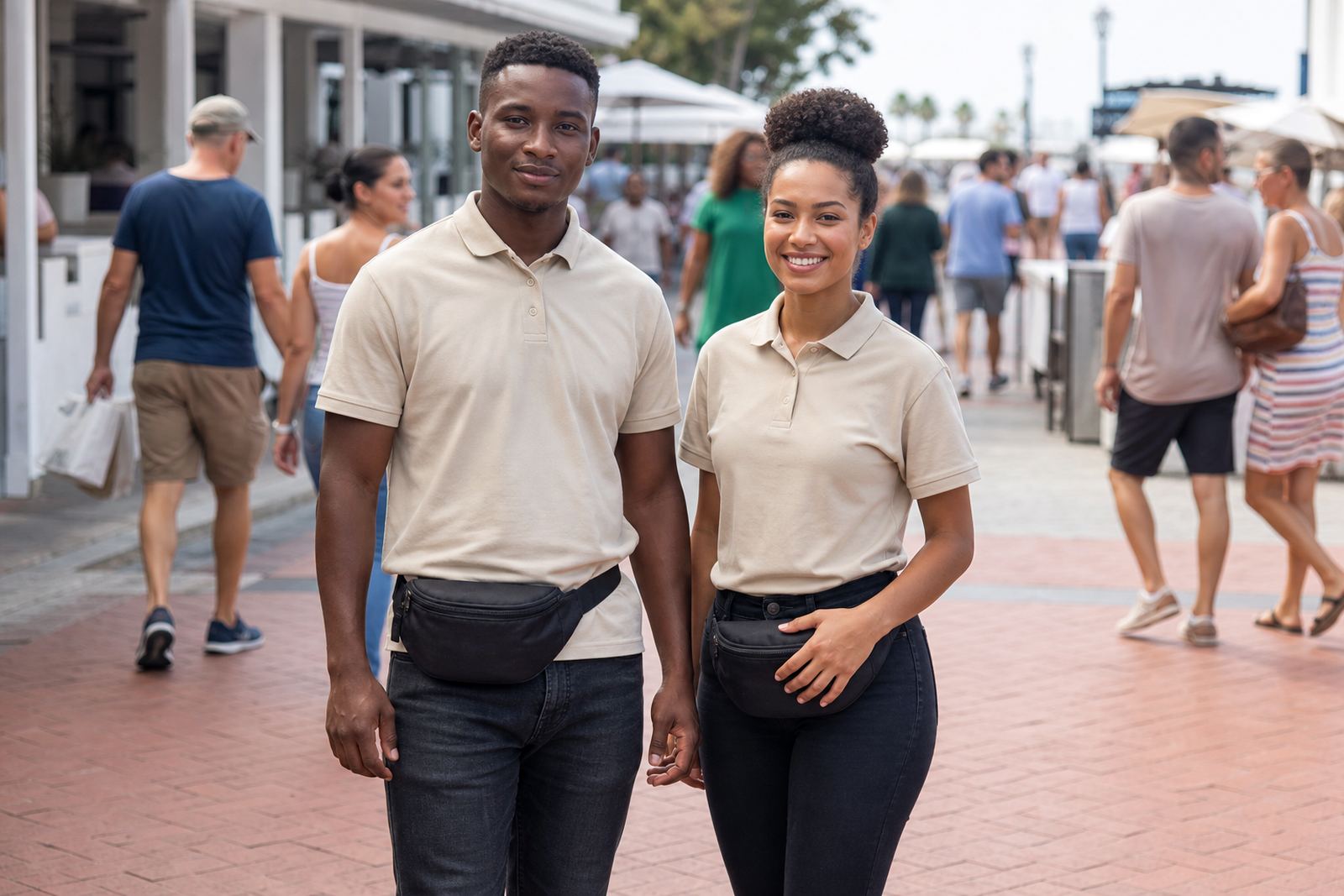
The delivered bags gave the client a neat, consistent look across the team. Each one held the essentials without bulging and sat comfortably during movement between sessions. The dark base colour helped hide day-to-day marks better than a lighter bag would have, which is useful when people are moving through loading areas, pavements and event floors. The branding stayed visible from a distance and did not feel overdone.
The client reported that staff used the bags throughout the meet and continued to use them afterwards for travel and site work. That is usually the real test. If a branded item stays in use after the handover, it keeps working for the business long after the event is done. The team also appreciated that the bags arrived packed in a way that made distribution quick, with no need for repacking or sorting on the morning.
There were a few practical wins here worth noting:
- The size was small enough for movement, but still useful for daily carry
- The logo placement was clean and readable without crowding the bag
- The split delivery made it easy to supply more than one branch on time
- The bag held up well in coastal humidity and busy event conditions
What we would repeat for the next logistics rollout
If we were doing this again, we would keep the same approach: practical sizing, one strong logo position, sample approval before volume production and fixed-count packing for dispatch. For a logistics team, the strength of the order was not in fancy extras. It was in the detail. The bag had to work in the hand, on the shoulder and in the back of a bakkie, all while still looking presentable at a formal corporate event.
We would also keep the production window tight and the communication direct. That helps when the client has people across Cape Town, Johannesburg, Pretoria and the Eastern Cape needing stock at different times. If a team is moving between branches or event venues, a small delay can cause a knock-on effect. This job showed that a good branded bag order is as much about planning as it is about print.
For companies in Gqeberha and beyond, this project is a useful example of what happens when form and function are handled together. The result was a bag that the team could use immediately and keep in circulation afterwards, with branding that stayed visible without getting in the way.
Key facts
| Project | Gqeberha Logistics Meet |
|---|---|
| Client type | Regional logistics and distribution team |
| Location | Gqeberha, Eastern Cape |
| Product | Custom-branded crossbody bags |
| Timeline | 4 weeks from brief to final dispatch |
| Delivery | Split delivery to Gqeberha, Johannesburg and Pretoria |